Bypass Surgery:
It is a procedure usually used when the blockage in the vessels is longer and not manageable with other approaches. It is an invasive procedure involving creating a new blood flow channel using a blood vessel graft.
The surgeon can either use a synthetic vessel or your vein as a graft. Your vascular surgeon will connect the two ends of the graft to your artery to bypass the blocked segment.


What Actions Do You Need to Take Before Operation?
If your doctor has recommended you bypass surgery, you already are in the most advanced stages of peripheral artery disease. Thus, it would be best to take certain precautions to prevent the same vascular damage in other body arteries. These precautions are similar to those brought to avoid atherosclerosis.
- Avoid smoking
- Control blood cholesterol and glucose levels
- Control blood pressure
- Regular exercise if you able to walk
Tests You Need before Bypass Surgery
Bypass surgery is a major operative procedure that requires significant pre-assessment of your body. It helps the surgeon determine whether you are fit for the surgery or not. Pre-assessment of the patient with PAD involves several investigations mentioned here.
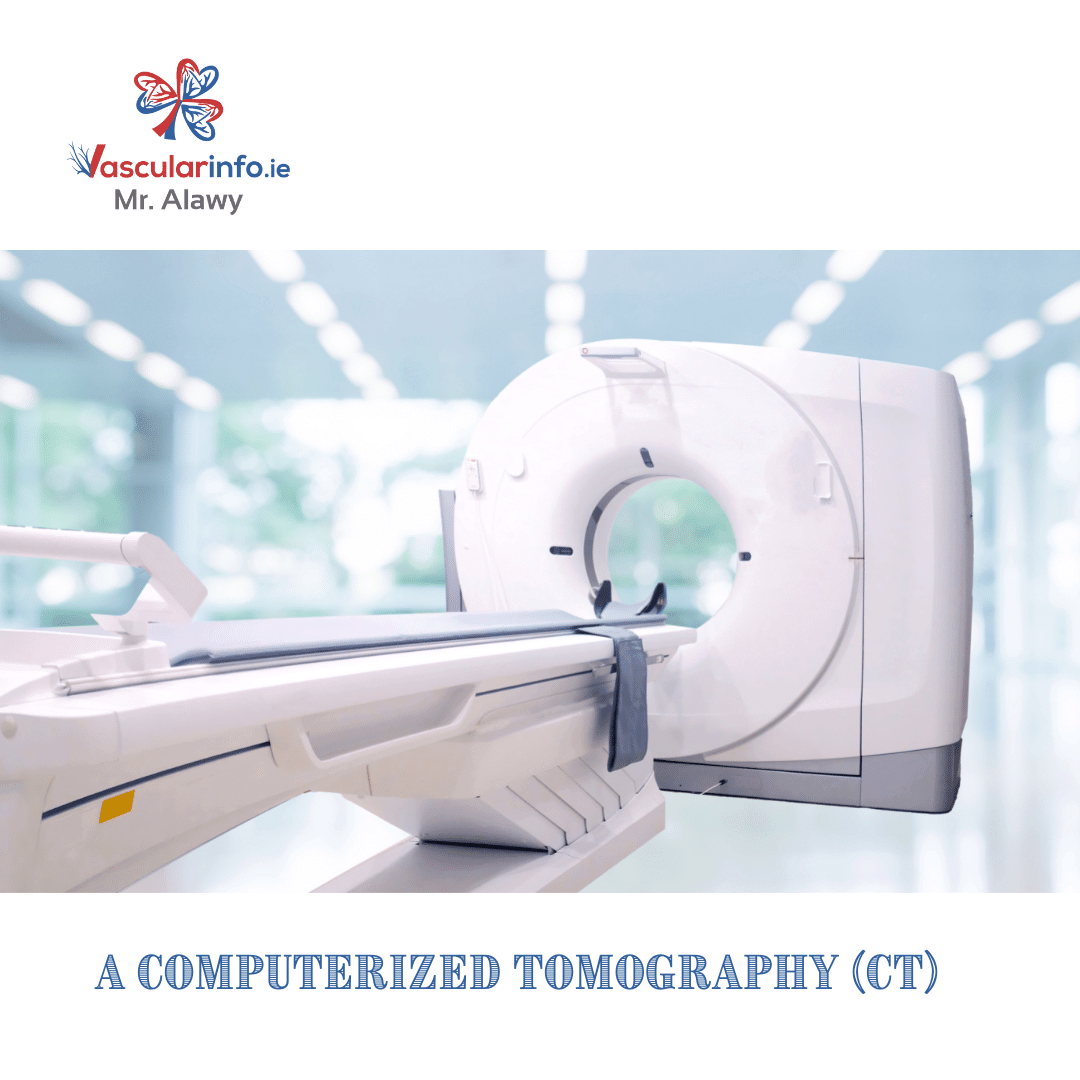
- Ultrasound or Computed Tomographic (CT) Angiography for a more assessment of the diseased arteries
- Ultrasound assessment of the vein to decide if it is suitable to be used as a graft
- Multiple blood tests, especially for your kidney function, test if you have any anaemia or blood disorder.
- ECG to monitor heart health. Some patients will require more scans to decide about their heart condition.
What is the Procedure of Bypass Surgery?
The procedure of bypass surgery involves the following steps:
- First, your surgeon will make the first incision at a site near the artery that needs bypassing.
- A synthetic blood vessel or a vein taken from your body is attached above and below the occluded artery to re-establish blood circulation.
- After attaching the vessel, your surgeon will stitch the wound with sutures or staples.
After surgery, you have to stay for a few days at the hospital for recommended postoperative care.

What are the Complications of Bypass Surgery?
Bypass surgery is an invasive procedure compared to a minimally invasive angioplasty procedure. However, there is only a 5% chance that significant complications such as heart attack, pulmonary embolism, and chest problems can occur after bypass surgery. The risk varies according to the patient’s fitness, preexisting heart or lung disease, and the type of bypass surgery required.
- Wound leakage: Where a clear or bloody fluid oozes out of the wound. This oozing usually subsides within a day or two. Still, you should consult your surgeon if you notice wound leakage after a few days.
- Damage to surrounding nerves: Incision of the bypass surgery can damage the small nerves around the incision site. Damaged nerves lead to loss of sensation in the affected skin. However, some of the senses reappear after four to six months due to the regeneration of the nerve fibres.
- Infection in the wound or graft: Skin wounds can get infected. Moreover, synthetic grafts can rarely get infected. However, it is a severe complication, and most time, graft removal is mandatory.
- Failure of bypass to work or Graft Blockage: Clotting the blood in the graft vessel is one of the severe complications after bypass surgery. In some cases, your surgeon would have to amputate the leg to prevent the spreading of gangrene.
- Pain: An incision made in your leg during bypass surgery may present pain. You have to take painkillers to control the pain. It usually subsides in 3 to 4 weeks, but minor aches can persist longer.
- Systemic infection: Smokers are particularly susceptible to chest infections after a major operative procedure.
- Clot formation: Clots in the veins can lead to deep vein thrombosis. At the same time, clots may travel to other body vessels, such as the lungs resulting in pulmonary embolism. Your doctor will prescribe you certain blood-thinning medications to reduce the chances of clot formation.
The vascular surgery team will discuss your treatment options and the risks of intervention and answer any questions you may have about peripheral artery disease and different treatment methods.T