Varicose Veins Procedures
What Are The Treatment Option For Varicose Veins?
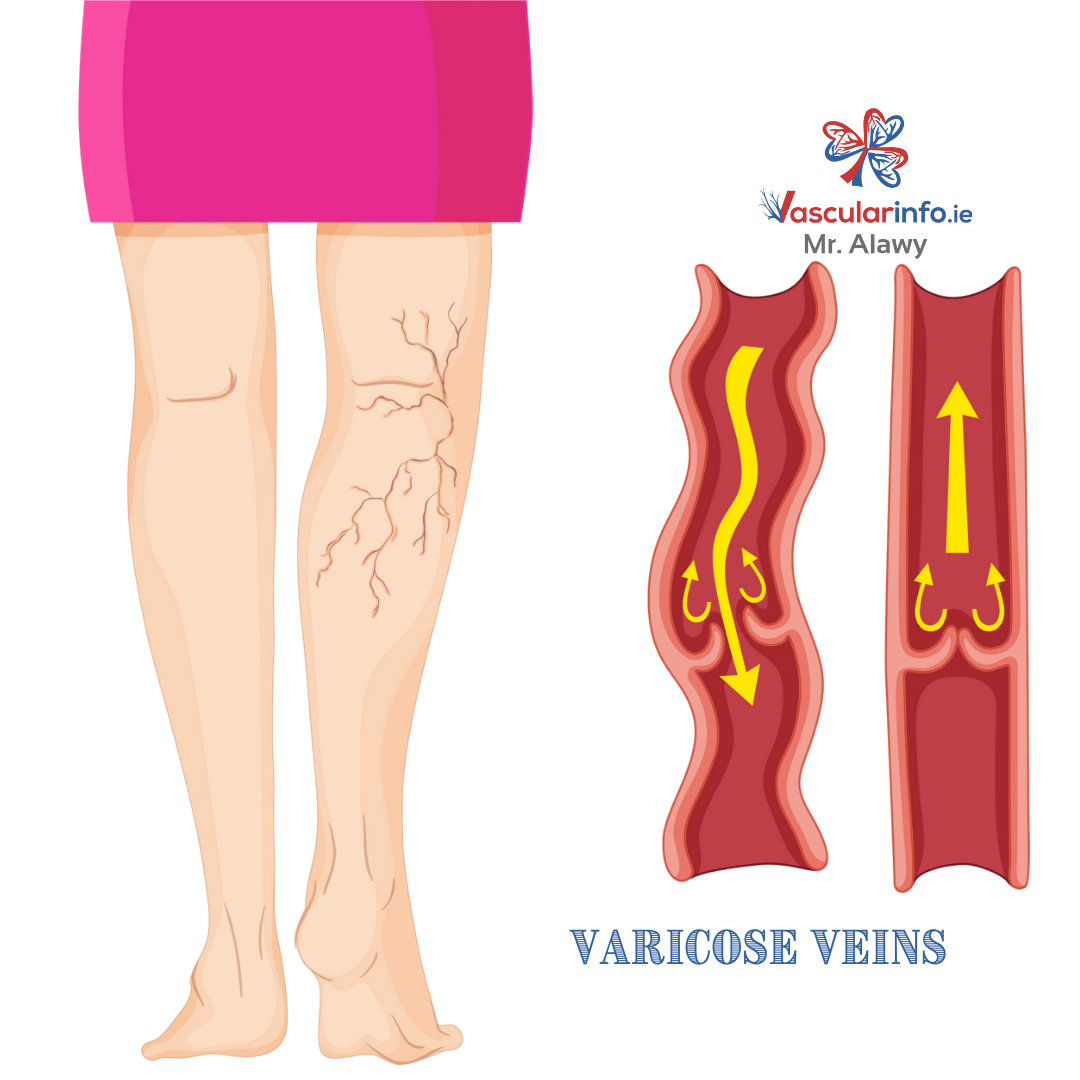
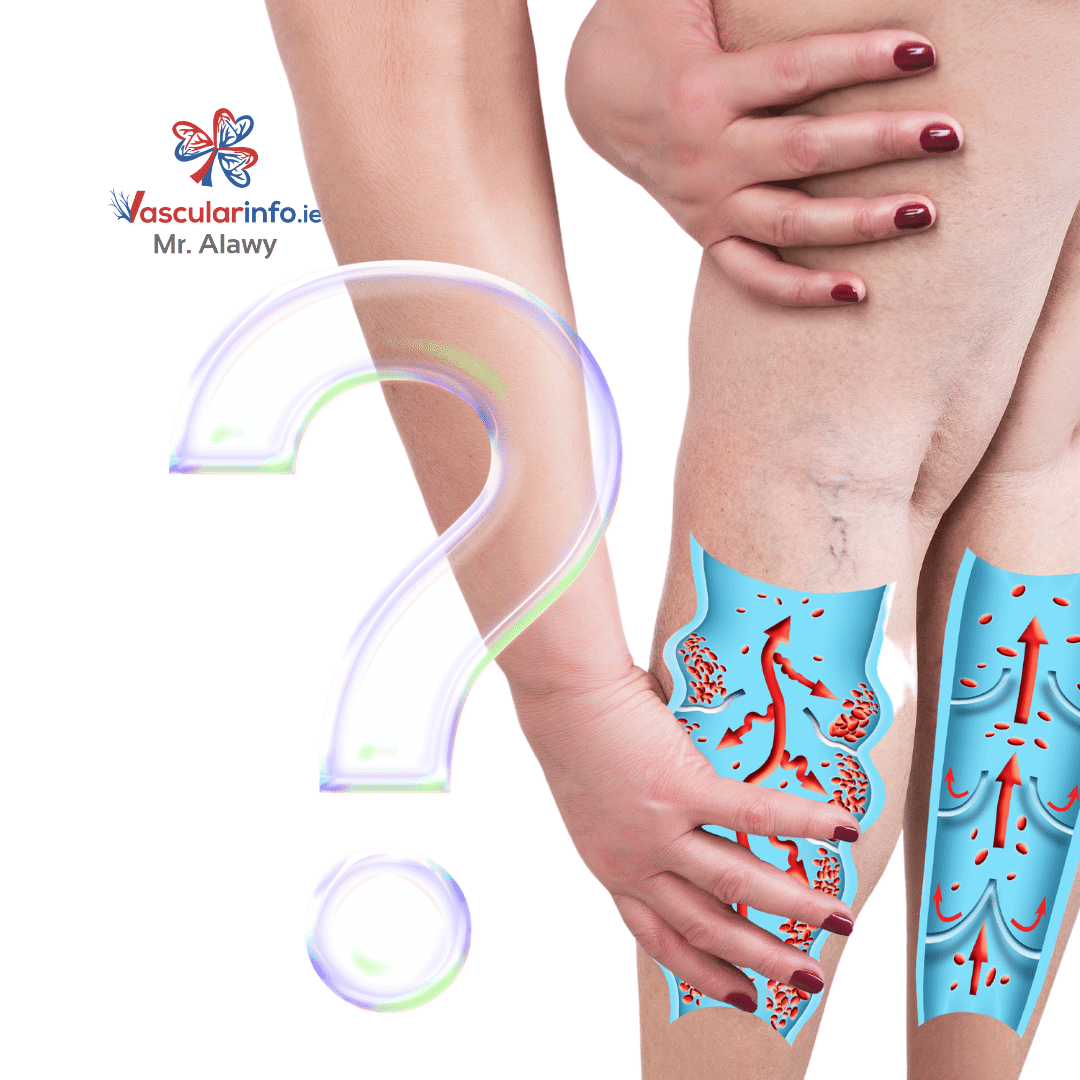
Varicose veins affect between 5 to 30% of the adult population, the majority of which are females. Even though the disease of the veins can sometimes be highly uncomfortable for the patient, not every condition requires surgical treatment. However, it is essential to know that varicose veins do not usually resolve without intervention.
The vascular surgeon discusses with the patient the available options of treatment based on numerous factors such as:
- Age
- Overall Health Condition
- Medical History
- Present Signs and Symptoms
- Tolerance of procedures and medications
- Expectations from the treatment
- Personal Preference
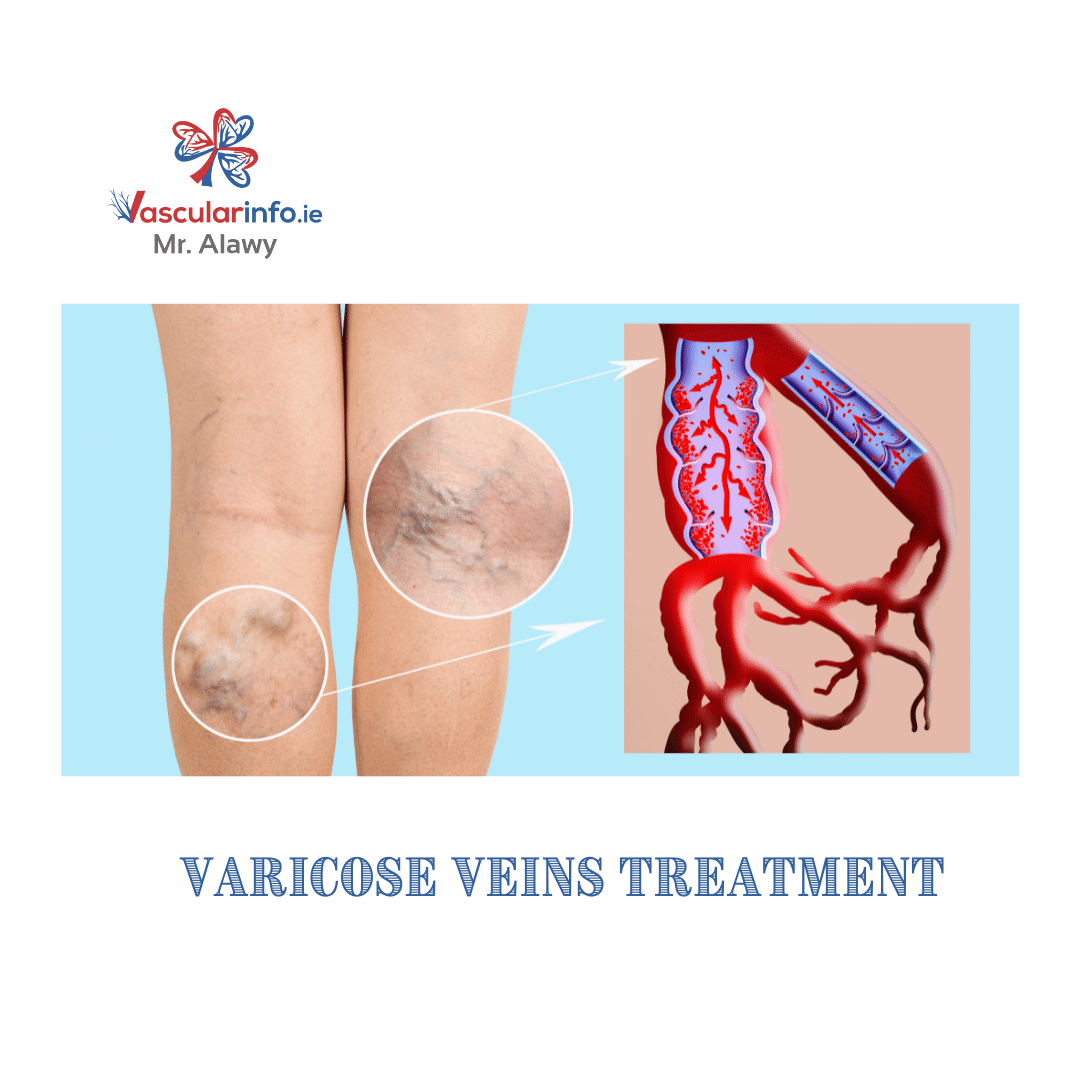
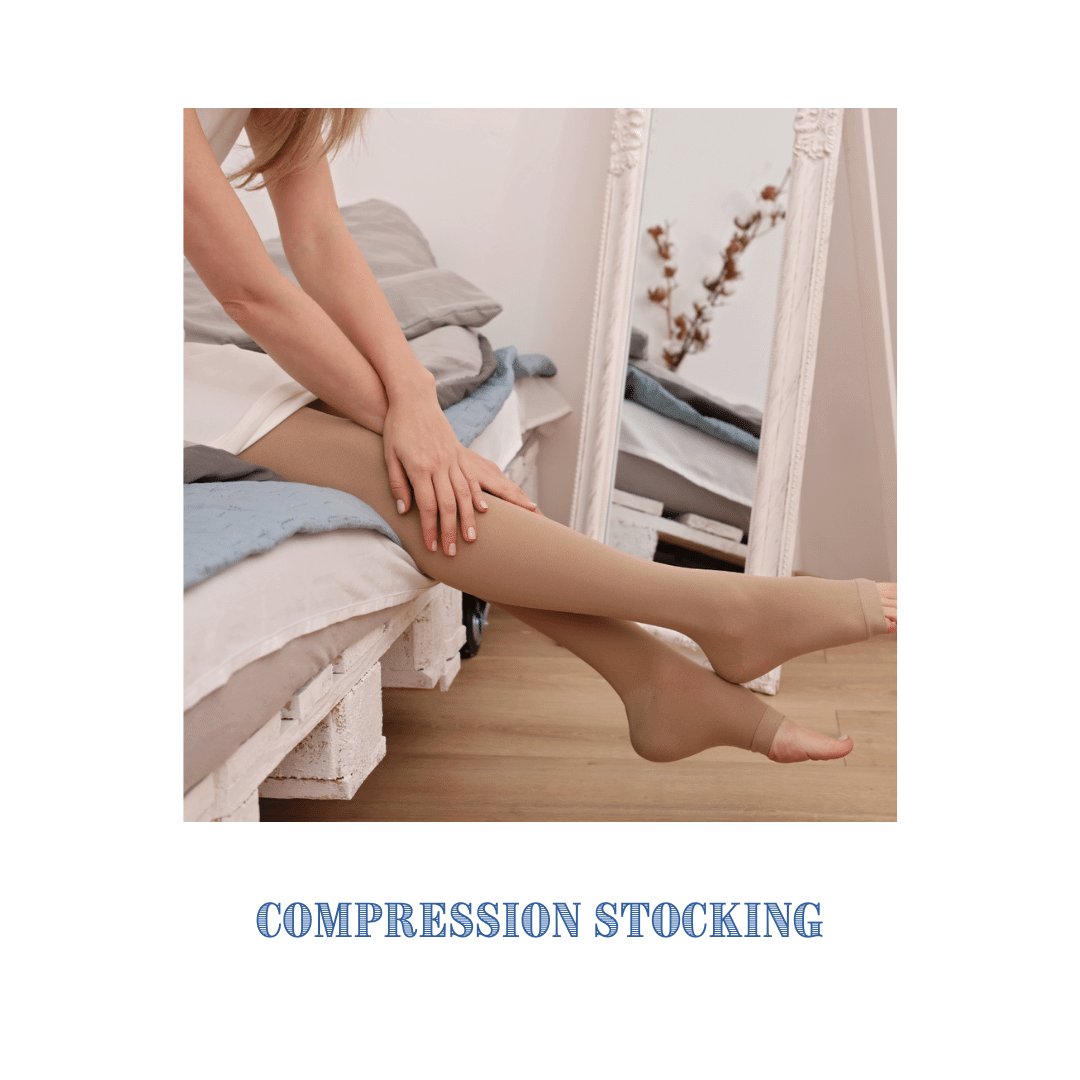
Many treatment options are available to treat varicose veins and may vary from individual to individual. These options range from conservative to surgical treatment. While compression stockings may be sufficient to manage symptoms in some persons, they may not be enough in others who may require intervention.
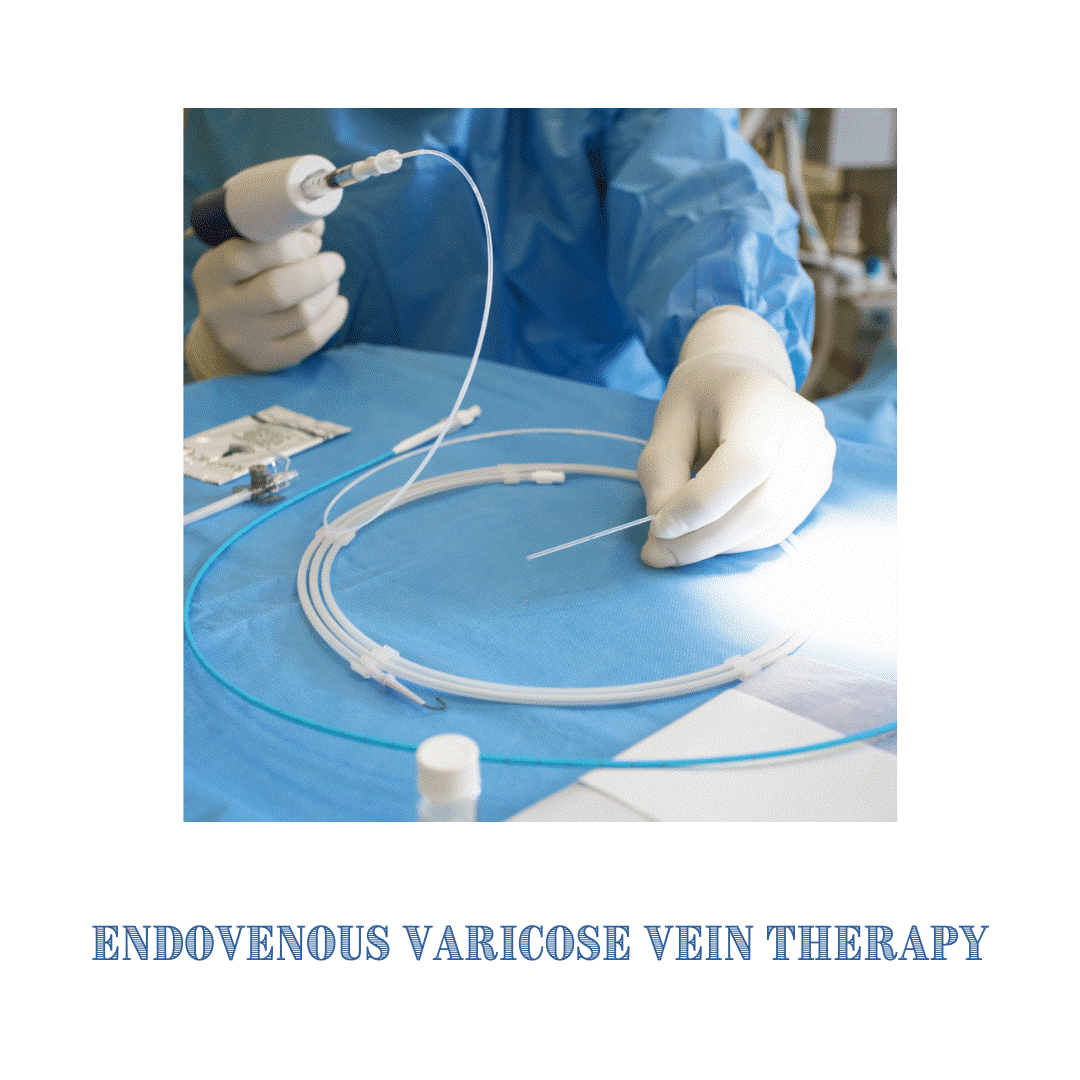
PROCEDURE FOR TREATMENT OF VARICOSE VEINS
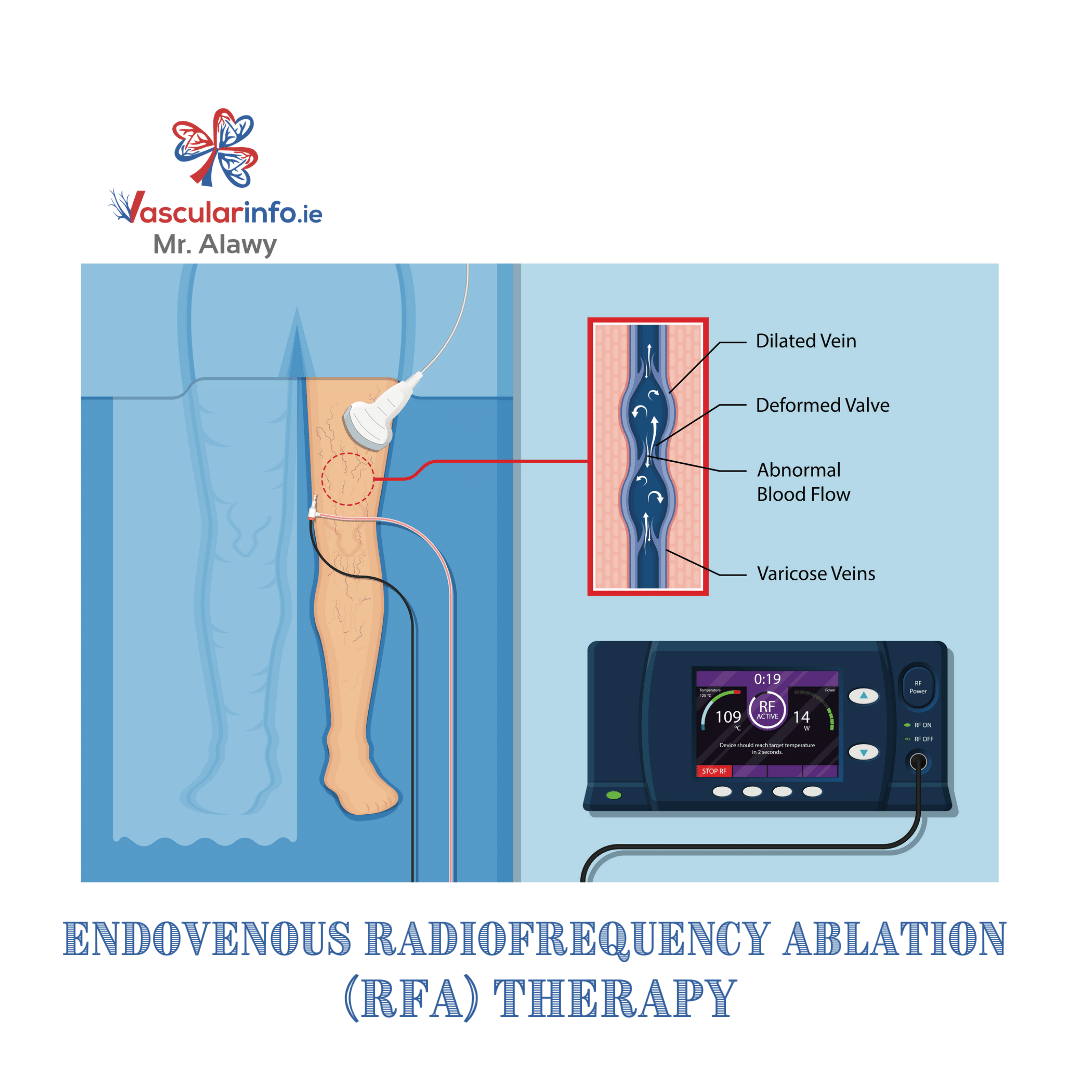
- ClosureFast Endovenous Radiofrequency Ablation (RFA) therapy
- Endovenous Laser Therapy
- Clarivean Procedure
- Venaseal Closure System
- Ultrasound-guided Foam Sclerotherapy
- Vein Stripping Surgery
- Sclerotherapy For Spider Veins
- Micro-phlebotomy
What Are The Benefits Of Minimally Invasive Vein Procedure Over Surgery
Treatments that are minimally invasive offer several benefits to individuals over open vein stripping surgeries. These include:
- Shorter recovery time
- It may be helpful in an outpatient setting, and there is no need to admit the patient overnight.
- No need for a general or spinal anaesthesia
- Stitches are generally not required
- Lower risks of complications
- Less painful for the patient
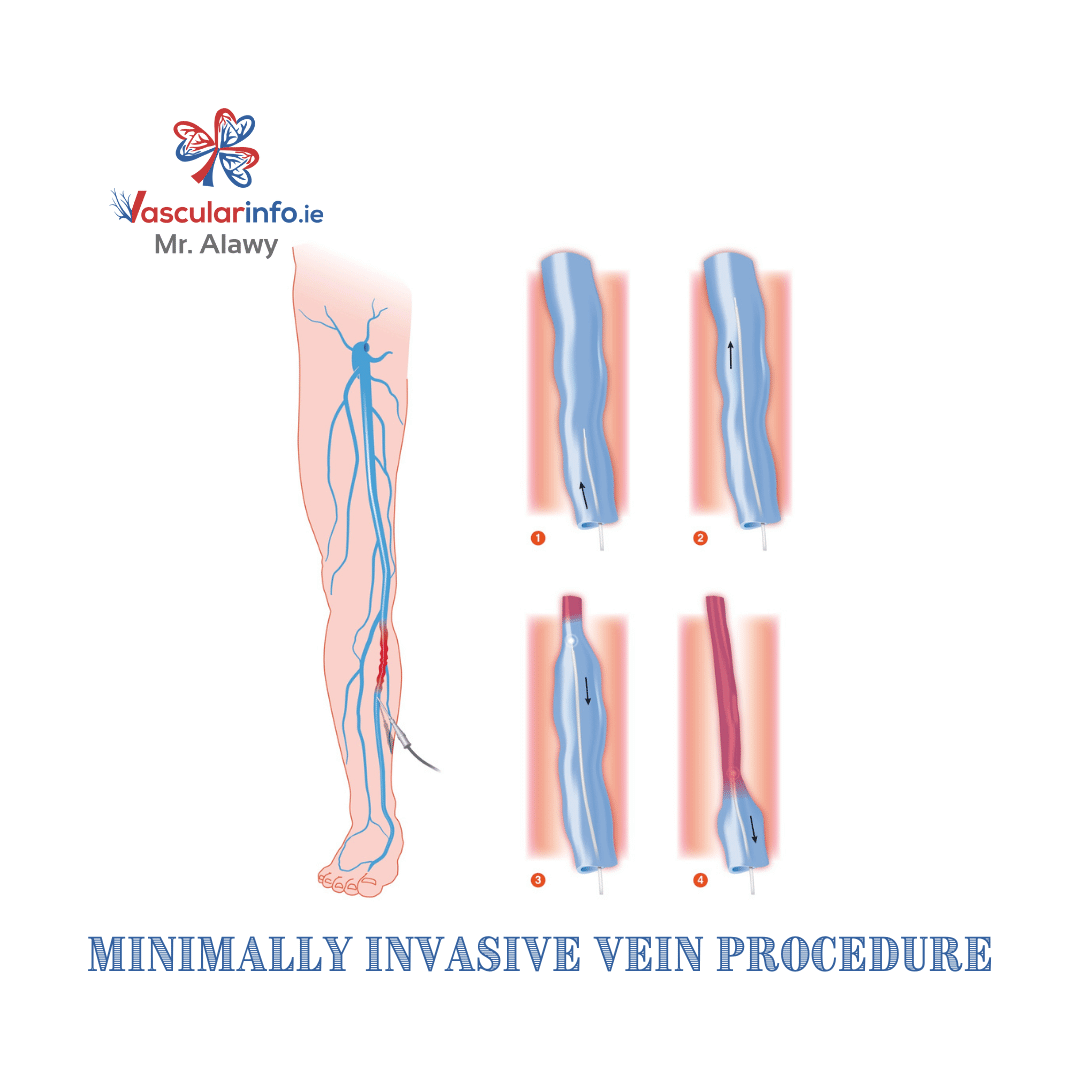
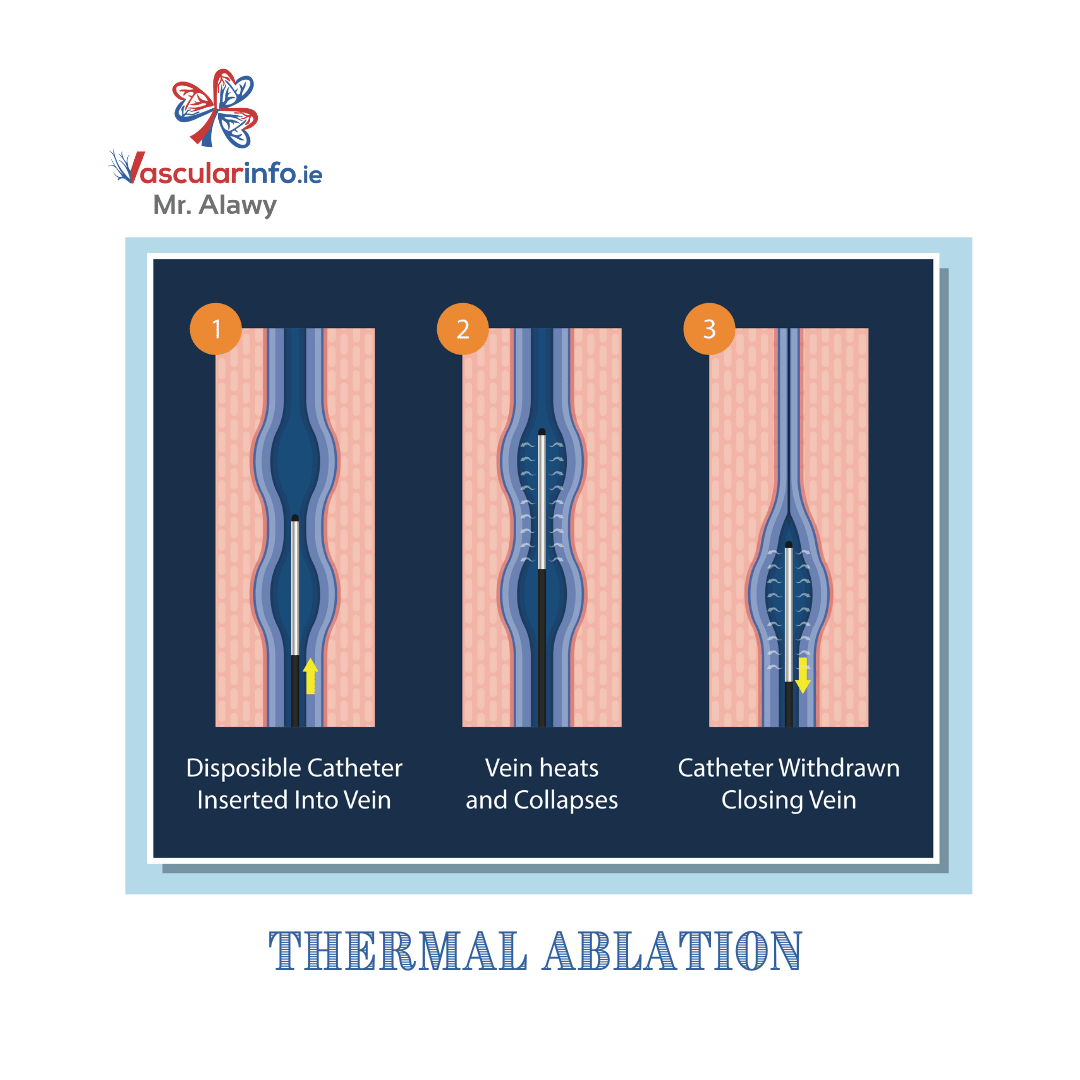
What Is Thermal Ablation?
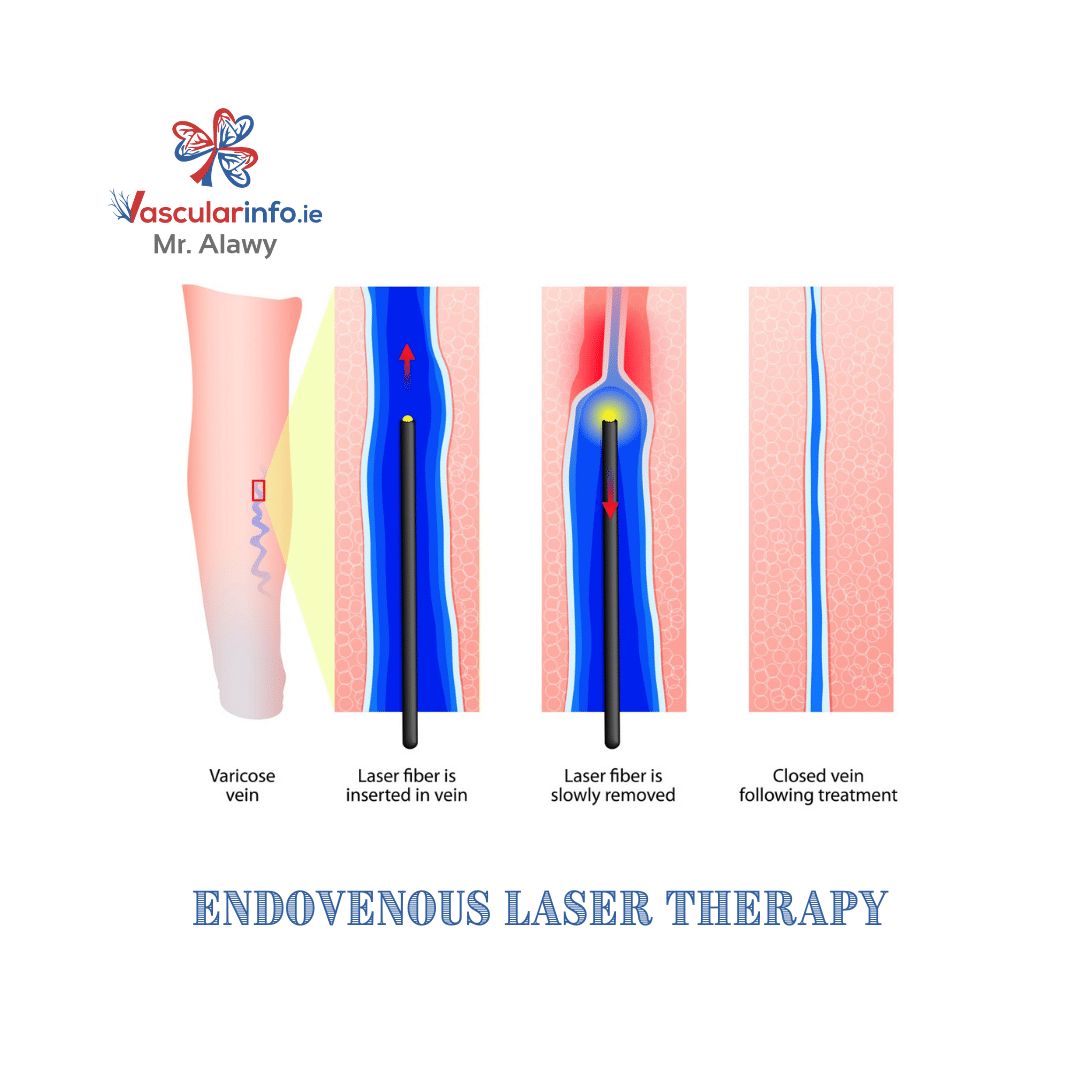
Thermal ablation is a treatment option that offers positive results with its minimally invasive nature. It involves inserting a special fibre (Catheter) inside the veins under ultrasound guidance. This catheter heat the vein inside and close it.
CLOSUREFAST TARGETED ENDOVENOUS THERAPY
The ClosureFast targeted endogenous therapy is a minimally invasive technique. It uses radiofrequency ablation to provide uniform heat energy to the vein walls, facilitating their collapse and seal. Clinical trials have shown that the ClosureFast approach has good long-term effectiveness. The main advantage of this procedure over endovenous laser therapy is that it is much less painful and causes none to minimum bruising.
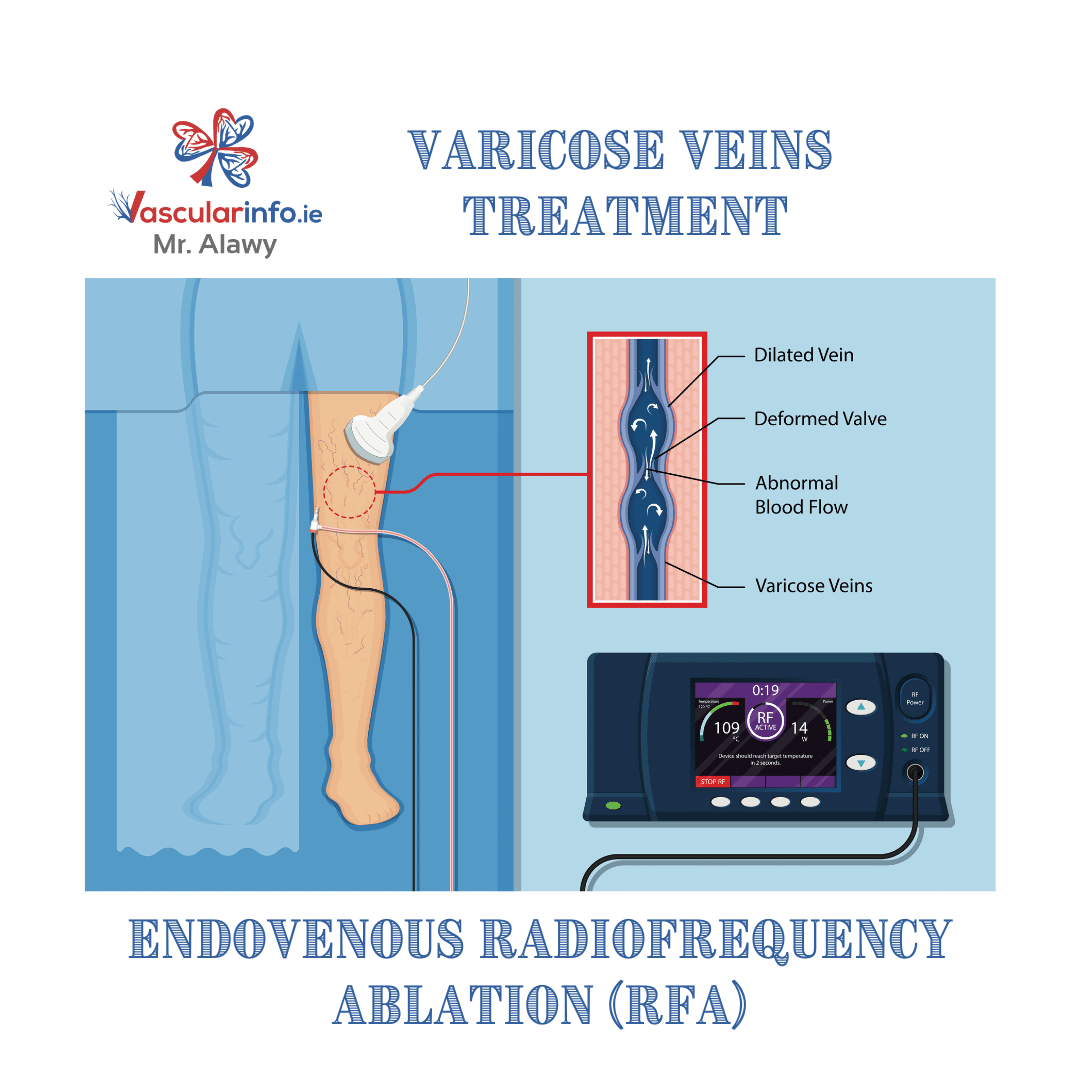
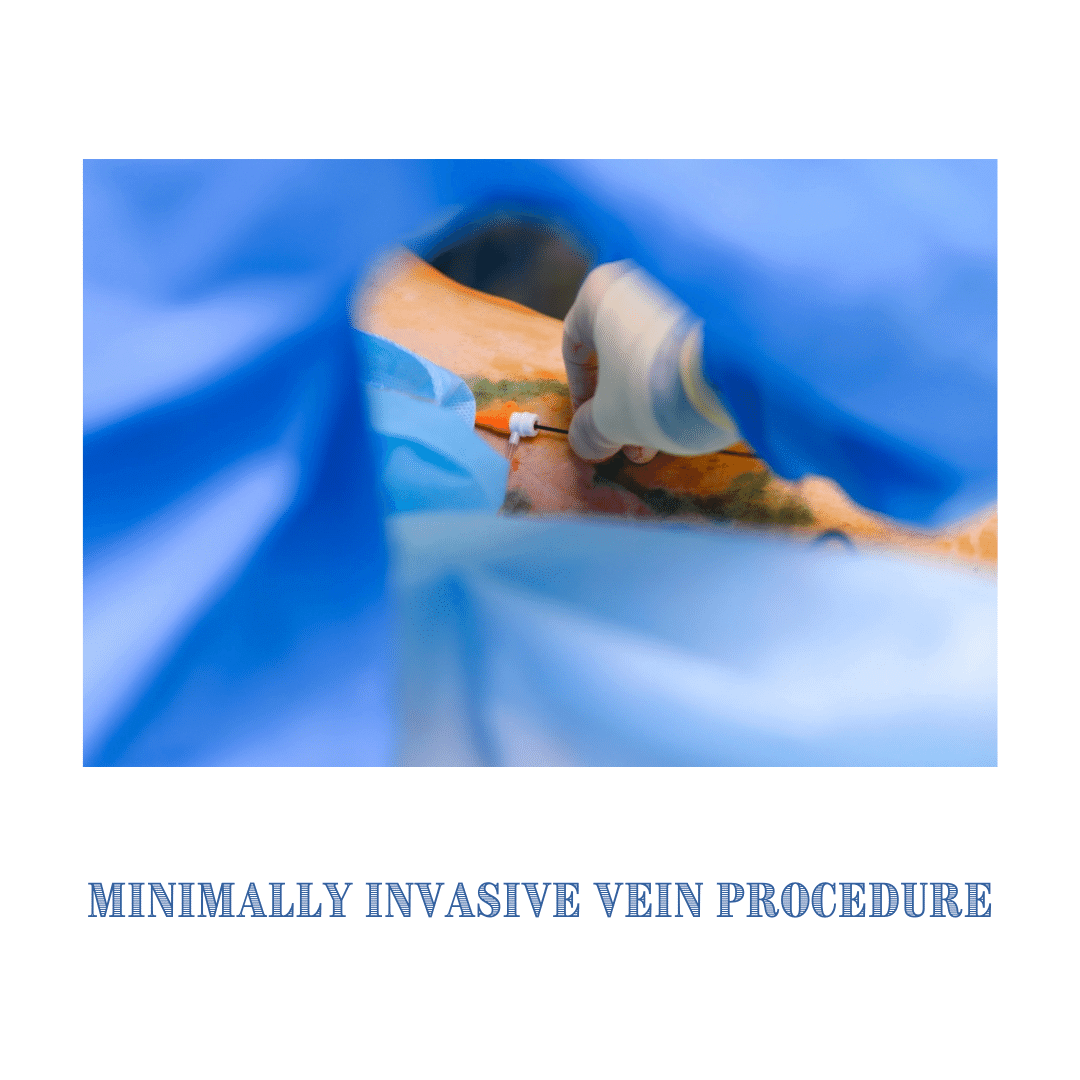
What are the advantages of ClosureFast:
The ClosureFast targeted endogenous therapy is a minimally invasive technique. It uses radiofrequency ablation to provide uniform heat energy to the vein walls, facilitating their collapse and seal. Clinical trials have shown that the ClosureFast approach has good long-term effectiveness. The main advantage of this procedure over endovenous laser therapy is that it is much less painful and causes none to minimum bruising.
- Your vascular surgeon can perform the entire procedure under local anaesthesia, with no need for general anaesthesia or groin surgery.
- ClosureFastTM involves less pain, bruises, and complications and allows patients to recover faster than vein stripping surgery. The ClosureFast procedure requires only one small incision at the insertion site, after which the vein is treated and left in place. It reduces the risk of pain and bruising associated with vein stripping.
- Most patients notice an improvement in their symptoms within one to two weeks of treatment. They can resume their usual daily life activities within a few days.
- The treatment takes only 30-45 minutes, and most patients stay in the hospital for 1-2 hours afterwards.
What Happens Before The Treatment?
Before starting the treatment, the health professional takes the patient’s detailed medical and physical history. They also ask the patient about any medication they are taking. The patient is also advised not to wear very tight clothes on the procedure day and not apply moisturiser on the leg. Moreover, individuals are also not required to undergo practices that increase their risk of post-operative infection, like shaving their legs at home before the surgery.
What Happens After The Treatment?
After the procedure, your surgeon will cover the insertion site of the needle or catheter into the vein to protect from bleeding, swelling, or infection. In addition, the patient is given post-operative instructions about the medication, duration to wear a compression stocking, and advised to perform a light exercise.
HOW SOON CAN YOU RETURN TO ACTIVITY AFTER CLOSUREFAST TARGETED ENDOVENOUS THERAPY?
Due to the low risks and complications associated with ClosureFast, the treatment allows patients to return to their everyday activities much sooner. You get back into a routine faster by walking for 10 to 15 minutes every 2 hours after the treatment. It’s best to avoid strenuous exercise or heavy lifting for at least two weeks.
ENDOVENOUS LASER THERAPY
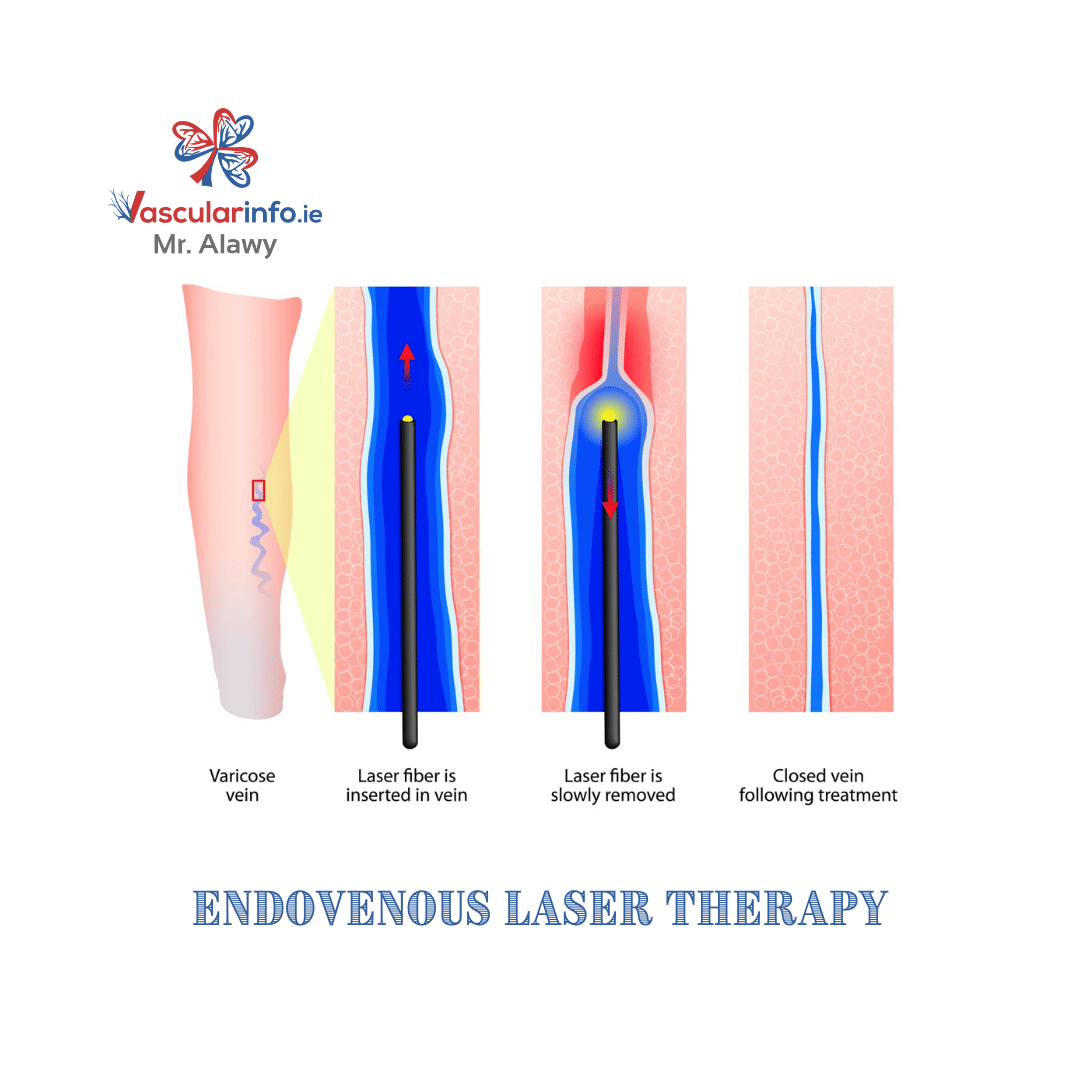
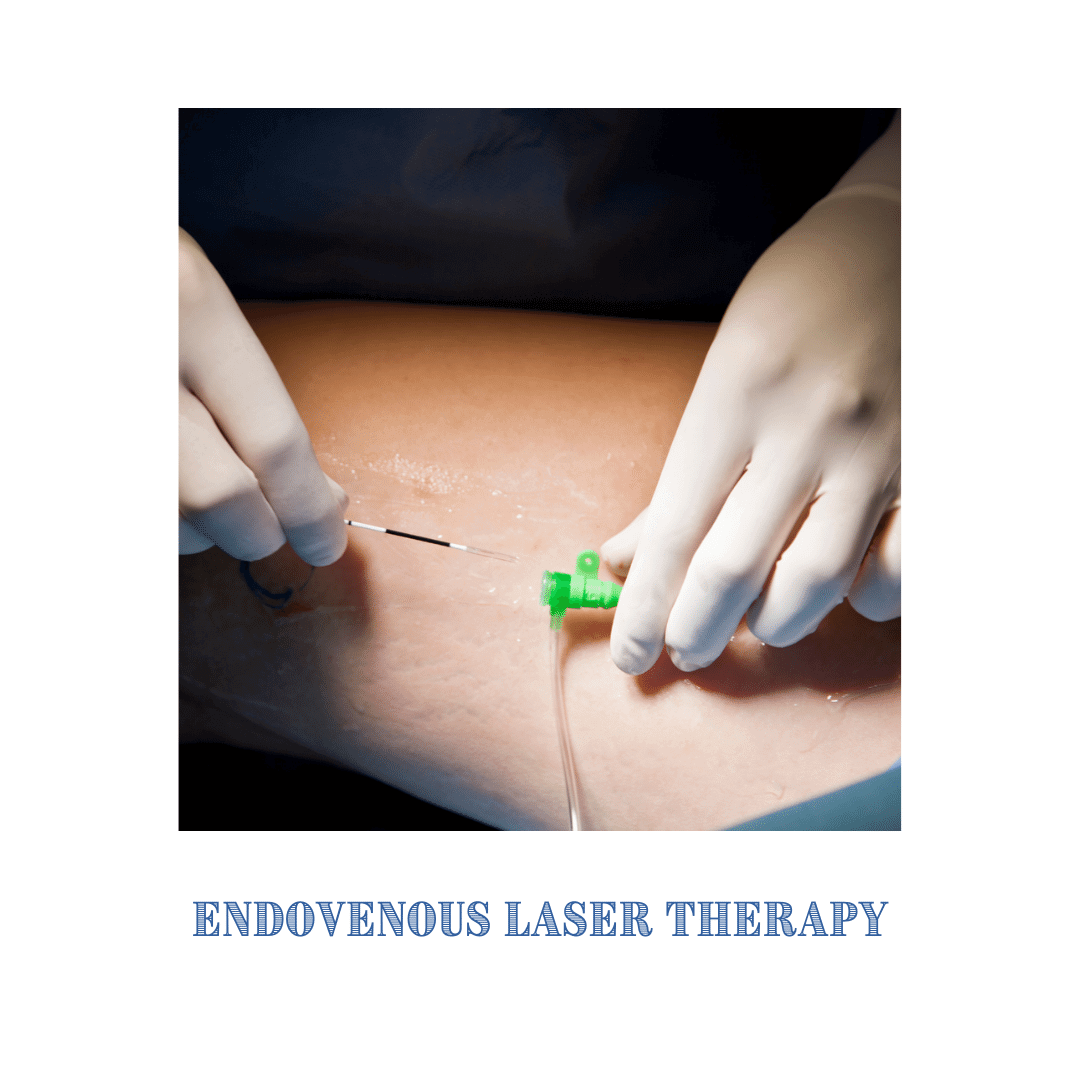
Endovenous laser therapy, also called EVLT, involves using a fin laser fibre (catheter) carefully inserted in the affected vein using real-time guidance from an ultrasound. The laser used in this therapy provides heat to the disease’s vein and causes its closure. The overall procedure usually takes 30 minutes and has a short recovery time.
HOW SAFE IS ENDOVENOUS LASER THERAPY?
Endovenous Laser Therapy is considered a minimally invasive procedure. Using lasers to treat varicose veins is an alternative to stripping surgery. The individual is less likely to experience bleeding, infections, blood clot, and no risk of general anaesthesia. However, it is essential to note that every procedure may have risks. Skin burns, discolouration, and nerve damage are all possible side effects of Endovenous Laser therapy but are infrequent.
WHAT IS THE RECOVERY LIKE WITH ENDOVENOUS LASER TREATMENT?
Due to the low risks and complications associated with Endovenous Laser Treatment, the recovery from this procedure is generally safe. The doctor may advise the individual to walk as much as possible to increase blood circulation in the legs. Walking also prevent the formation of blood clots. Walking also aids in the reduction of swelling and improves lymphatic flow. Some individuals may experience mild symptoms of discomfort like burning, redness, and swelling – however, they are usually temporary. The doctor may advise an over-the-counter pain medication to relieve these mild symptoms. Any bruising or discharge of pink or clear fluid may also resolve as the area heals.
WHAT IS THE RECOMMENDED AT-HOME CARE AFTER ENDOVENOUS LASER TREATMENT?
Following endovenous laser treatment, the recommendations include using compression socks and walking daily.
- Wearing compression stockings for at least a week after the procedure is usually advised by your surgeon. After that, he may suggest wearing it during the day and removing it at night for another week. The length of time the stocking should be worn varies from person to person, but it should be worn especially during periods of long-standing and sitting.
- Walking and daily light exercise also prove helpful after the procedure. Light exercise helps boost the blood circulation of the treated area, which aids in healthy healing and reduces the risk of blood clots. However, the individual must remember not to overexert themselves by going on long hikes or indulging in heavy weight lifting.
- The individual should keep the catheter insertion points completely dry and covered to avoid infection. If they want to take a shower, they should cover their leg bandages to avoid getting soaked in water and be extremely cautious not to slip.
- Suppose the individuals start to experience high fever, worsening swelling, breathing problems, and pain that keeps them from their everyday activities during their recovery process. In that case, immediate consultation with a doctor becomes mandatory.
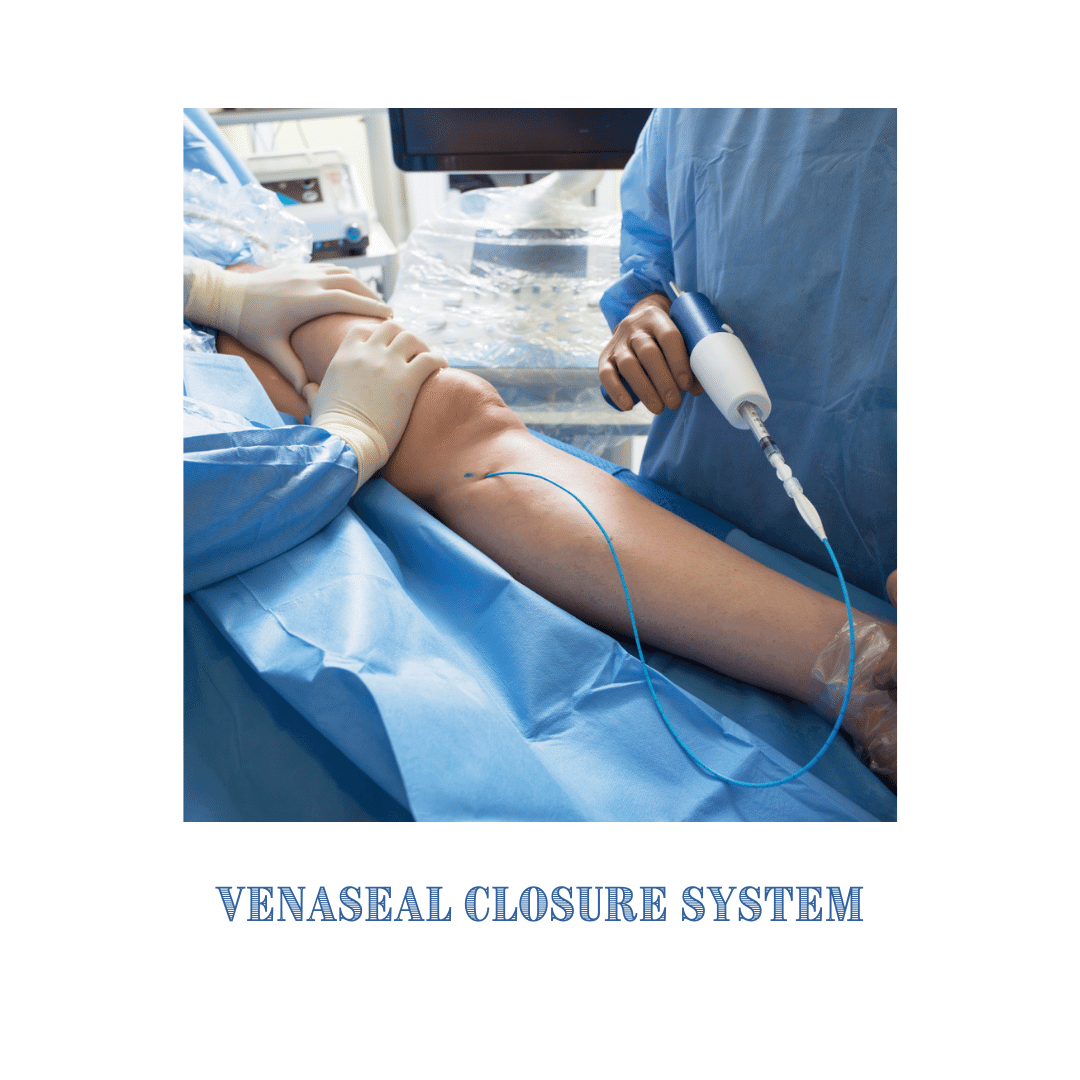
VENASEAL CLOSURE SYSTEM
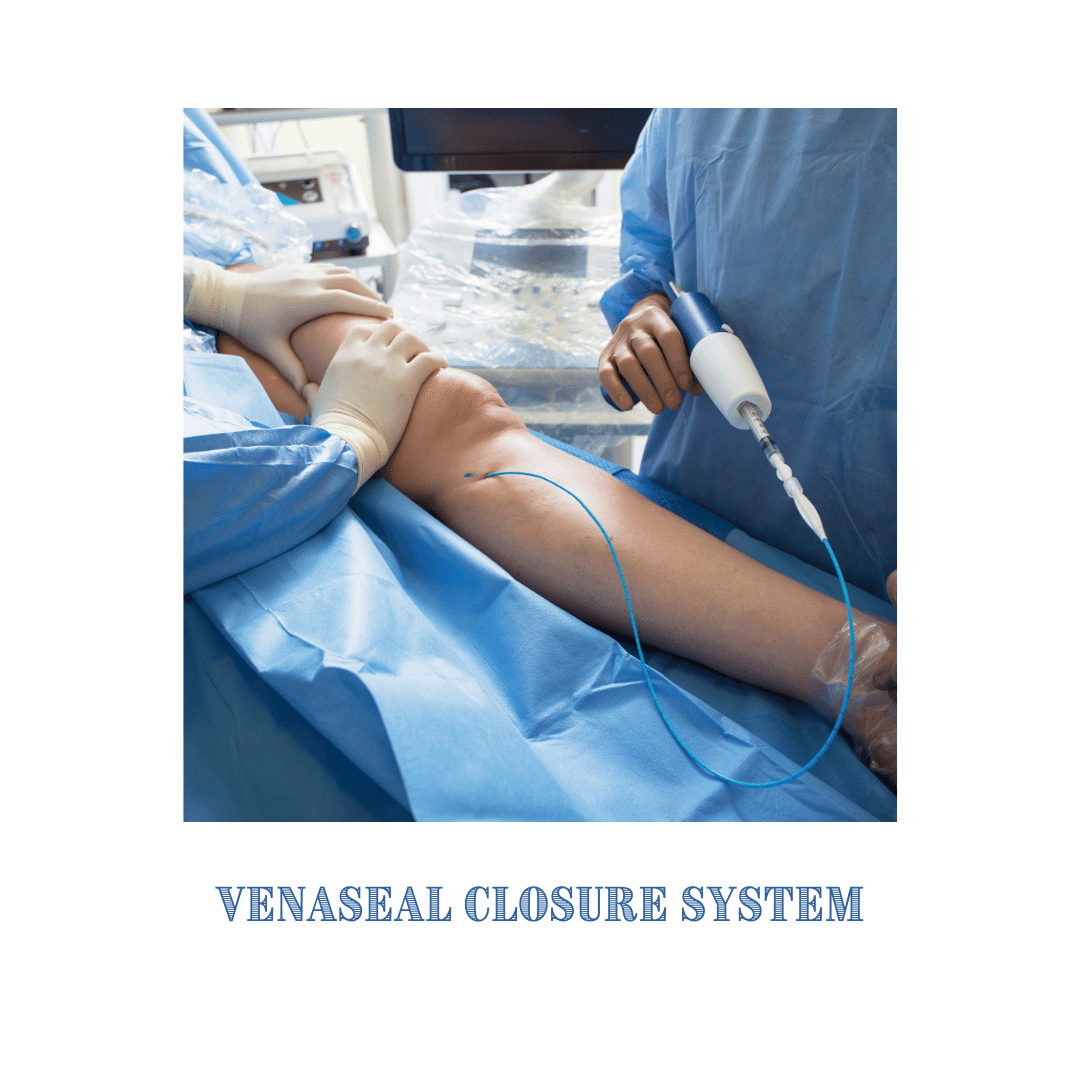
The Venaseal Closure System is a recently introduced procedure for varicose veins treatment. It allows immediate closure of an affected vein by using a medical adhesive which leads to quick relief from pain and uncomfortable symptoms for the patient. Unlike other procedures, the Venaseal Closure System does not require multiple injections or the application of heat – making it much more comfortable and convenient for the patient. A lack of heat also reduces the risk of nerve damage and burning during and after the procedure, allowing the individual to recover more quickly.
The procedure involves the insertion of a small catheter into the affected vein, which helps deliver the specially formulated medical adhesive liquid to the vein. Ultrasound helps locate the exact location of the vein. The insertion of medical adhesive followed by applying external pressure to the vein causes sealing effects and leads to its closure. Then the blood flows into the healthy surrounding veins. Finally, the bandage is applied over the site of insertion of the catheter to keep it protected and lower the risk of infection.
WHAT TO EXPECT AFTER THE VENASEAL PROCEDURE?
Venaseal uses a single needle stick under a local anaesthetic agent. The patient also has a relatively pain-free recovery. Some individuals may experience a feeling of slight pulling or tugging at the treatment site. However, this usually does not last long.
HOW SAFE IS THE VENASEAL CLOSURE SYSTEM FOR PATIENTS?
The five-year follow-up from patients who have had their Venaseal Closure System has proved to be a safe and effective treatment option. However, even though this procedure is considered low risk, some rare complications may include swelling, bleeding, scarring, allergic reactions, and skin discolouration.
WHAT ARE THE PRIMARY BENEFITS OF VENASEAL?
The main benefit of Venaseal over other treatment modalities is that it is less invasive. It only involves using a single needle stick and minimal use of local anaesthesia. Moreover, since it does not use heating to close the vein, it is more tolerable for the patient.
CLARIVEAN TREATMENT
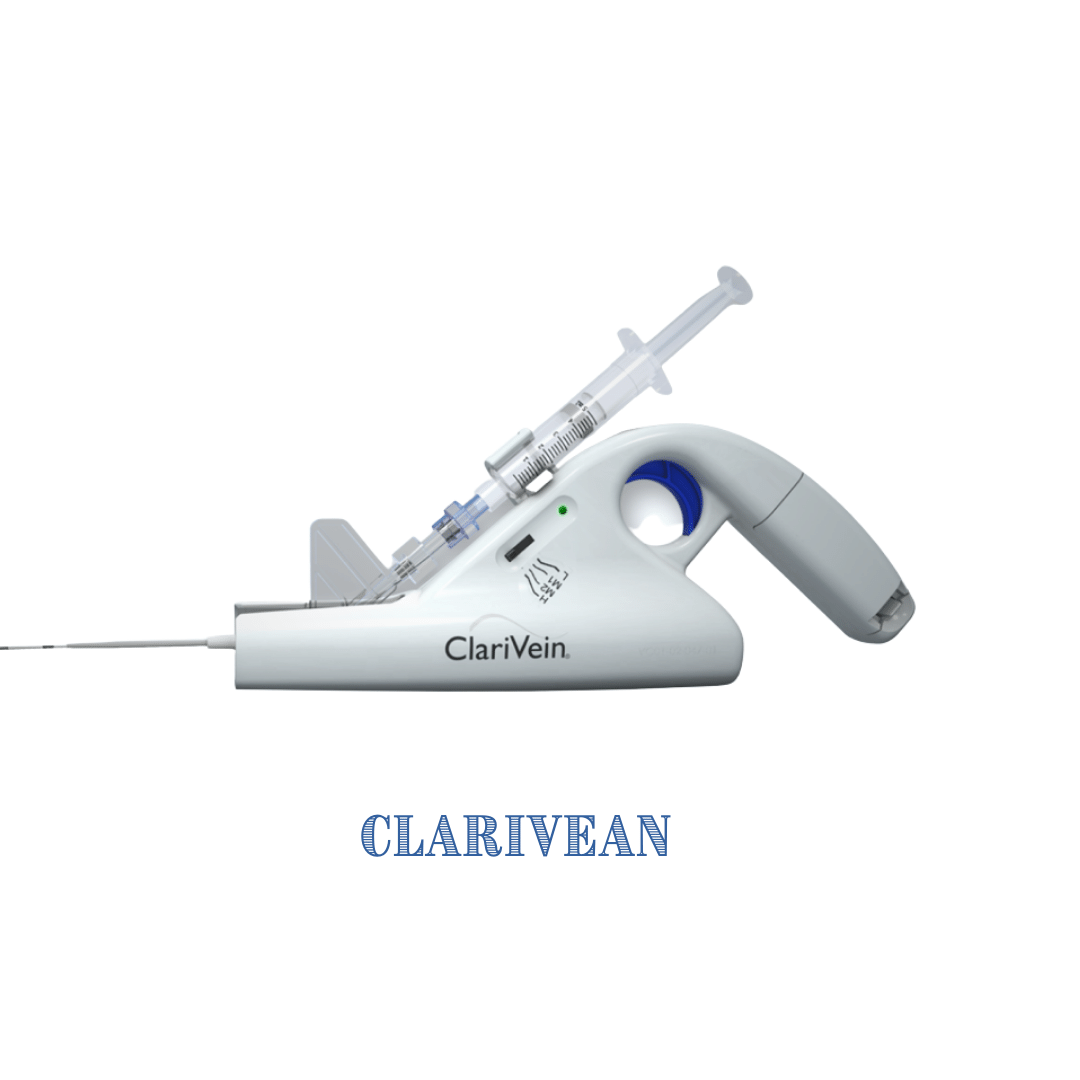
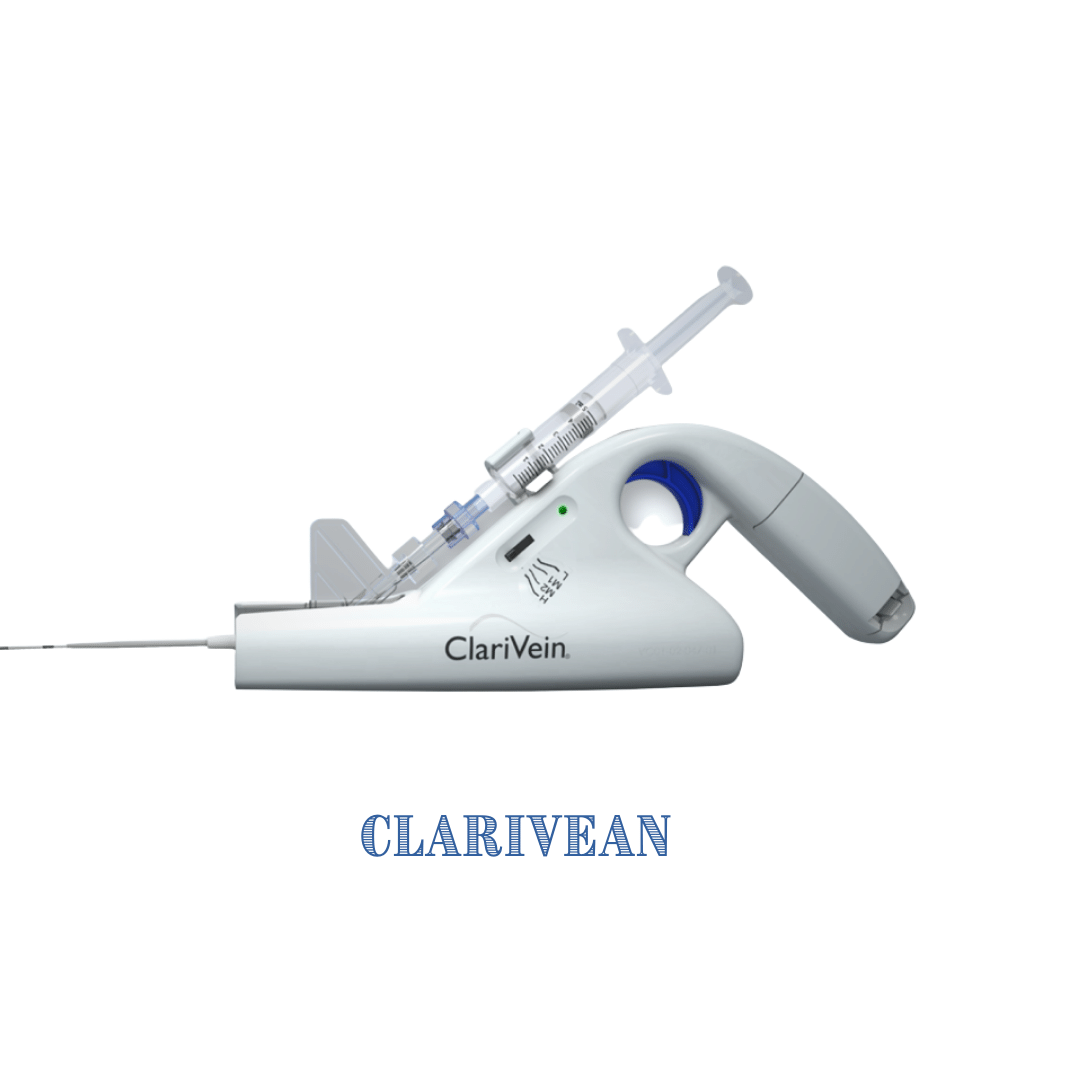
ClariVein treatment uses mechanical and chemical techniques to help close the damaged vein and allow symptomatic relief to the individual. Clarivean Treatment is much less invasive than most other varicose veins treatments. It does not use multiple incisions or several shots of local anaesthesia. The rotating catheter tip is the unique feature of this particular treatment option.
Like Venaseal, it is also a non-thermal procedure; hence, it does not involve using a heat source that could damage the surrounding vessels and tissues. It helps improve the symptoms through mechanical disruption and the injection of certain chemicals, which allows the veins to go into spasms. As a result, it has a much shorter time of recovery.
WHAT TO EXPECT DURING THE CLARIVEAN PROCEDURE?
During the Clarivean Procedure, the vascular surgeon will first apply a local anaesthetic agent before making a tiny incision along the affected vein. Next, the surgeon will insert a special catheter with a rotating fibre into the vein. The fibre rotates once the catheter has reached the correct location.
It helps remove the vein’s linings while also delivering a chemical solution as it rotates. Despite the continuous rotations in the diseased vein, the patient does not experience any significant pain sensation. It usually takes 30 minutes to perform the procedure and allows the patients to return quickly to their everyday activities.
WHAT SHOULD YOU EXPECT AFTER A CLARIVEAN PROCEDURE?
- Light Tenderness: Experiencing light tenderness around the veins since this treatment involves the closure of diseased veins.
- Slight Pain: Some individuals may also experience aching pain for a few days; however, it is of mild intensity usually improved by walking, the elevation of legs, and stretching exercises. However, if the pain intensity continues to grow over time, or if the individual experience moderate to severe pain – they should consult with a doctor.
- Discolouration: It is normal to find light pigmentation spots. They are common around the treatment points on the legs a few days after treatment. These dark spots usually fade over time as the treated area heals.
ULTRASOUND-GUIDED FOAM SCLEROTHERAPY
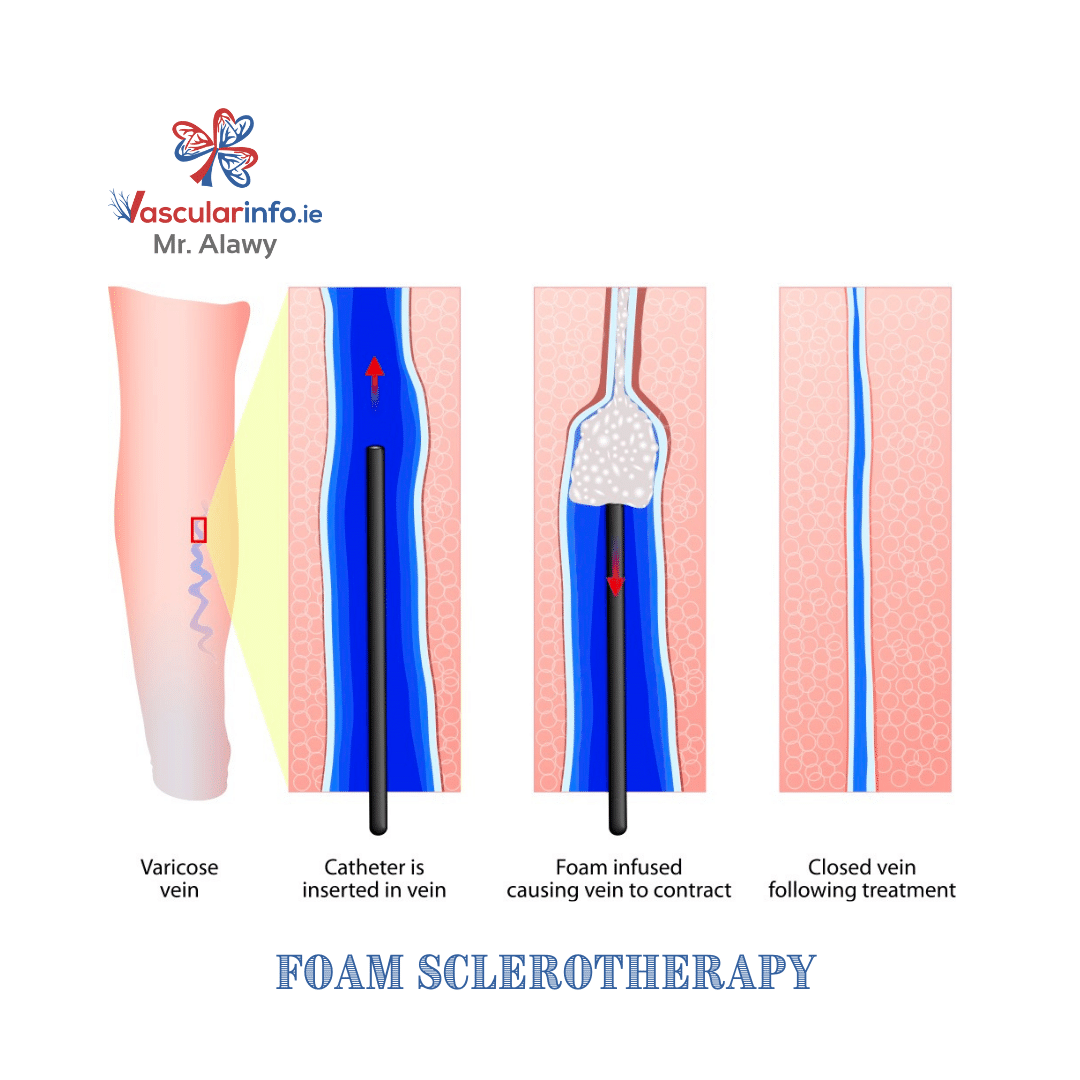
Ultrasound is used during this procedure to identify the exact location of the affected vein. Then foam of sclerosant solution, which acts as an irritant, is carefully injected into it. This irritant causes the collapse of the veins to become sealed off from the blood flow. The closure of these veins causes the blood flow to divert towards the healthy veins in the body; hence they are not required to be removed. After the process, the surgeon places the bandage at the injection site. Following that, the person can resume their normal activities.

WHAT ARE THE RISKS ASSOCIATED WITH FOAM SCLEROTHERAPY?
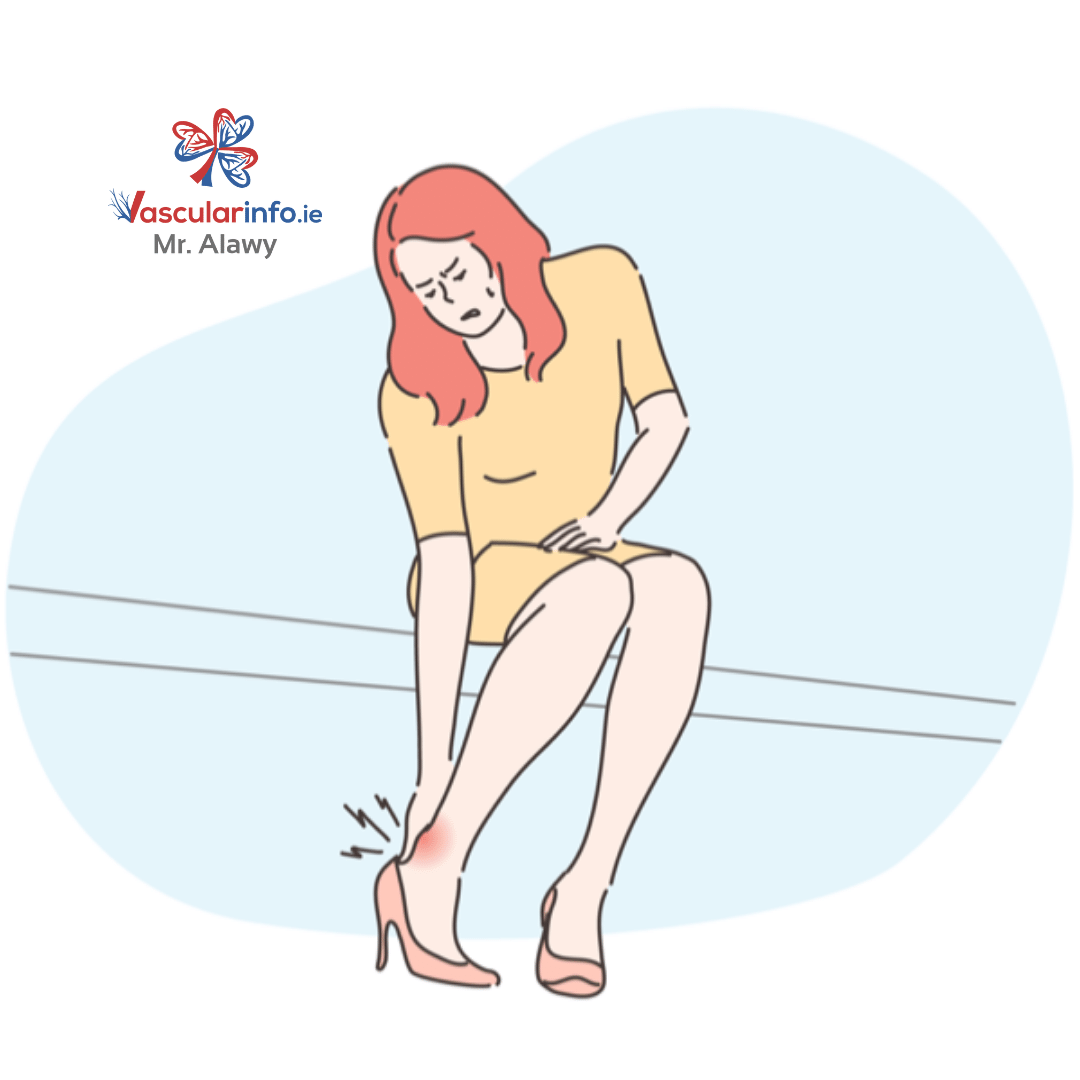
Individuals who undergo sclerotherapy may experience mild to moderate discomfort, as is seen with many other procedures. These may include slight itching for 2 to 3 days and redness and inflammation on the injection site. However, you present these symptoms only for a few days. Moreover, sclerotherapy on more dilated veins can lead to hardness and discolouration. It typically takes several months to heal.
Rare complications of foam sclerotherapy:
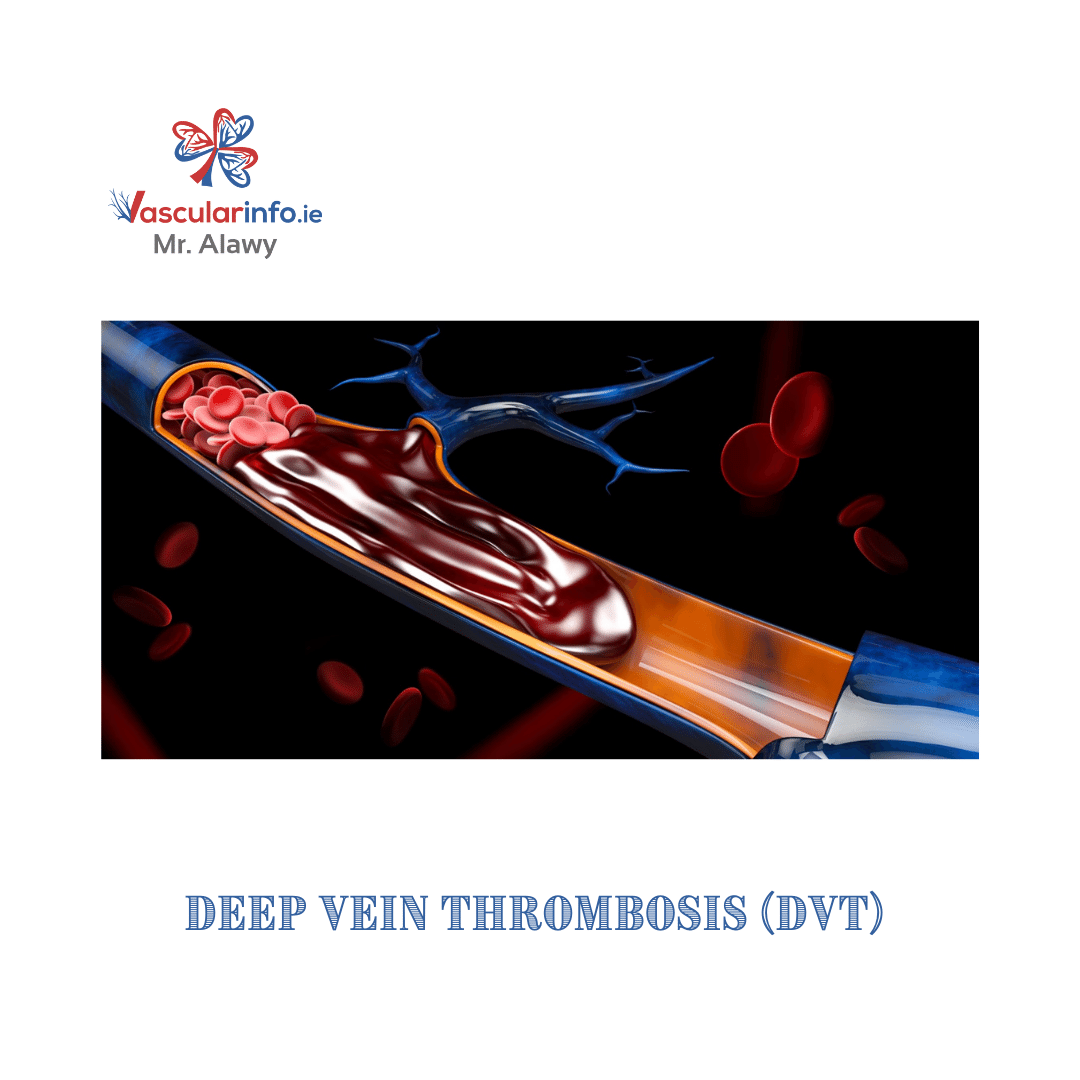
- When a blood clot migrates to a deeper vein in your leg, it results in deep vein thrombosis.
- Pulmonary embolism is an infrequent sclerotherapy problem. If you have trouble breathing, chest pain, dizziness, or cough up blood, immediately seek medical attention.
- Visual abnormalities, headaches, fainting, and nausea are some of the symptoms that might occur because tiny air bubbles rise in your bloodstream. These symptoms usually fade away, but if you have problems with limb mobility or sensation following the treatment, notify your doctor.
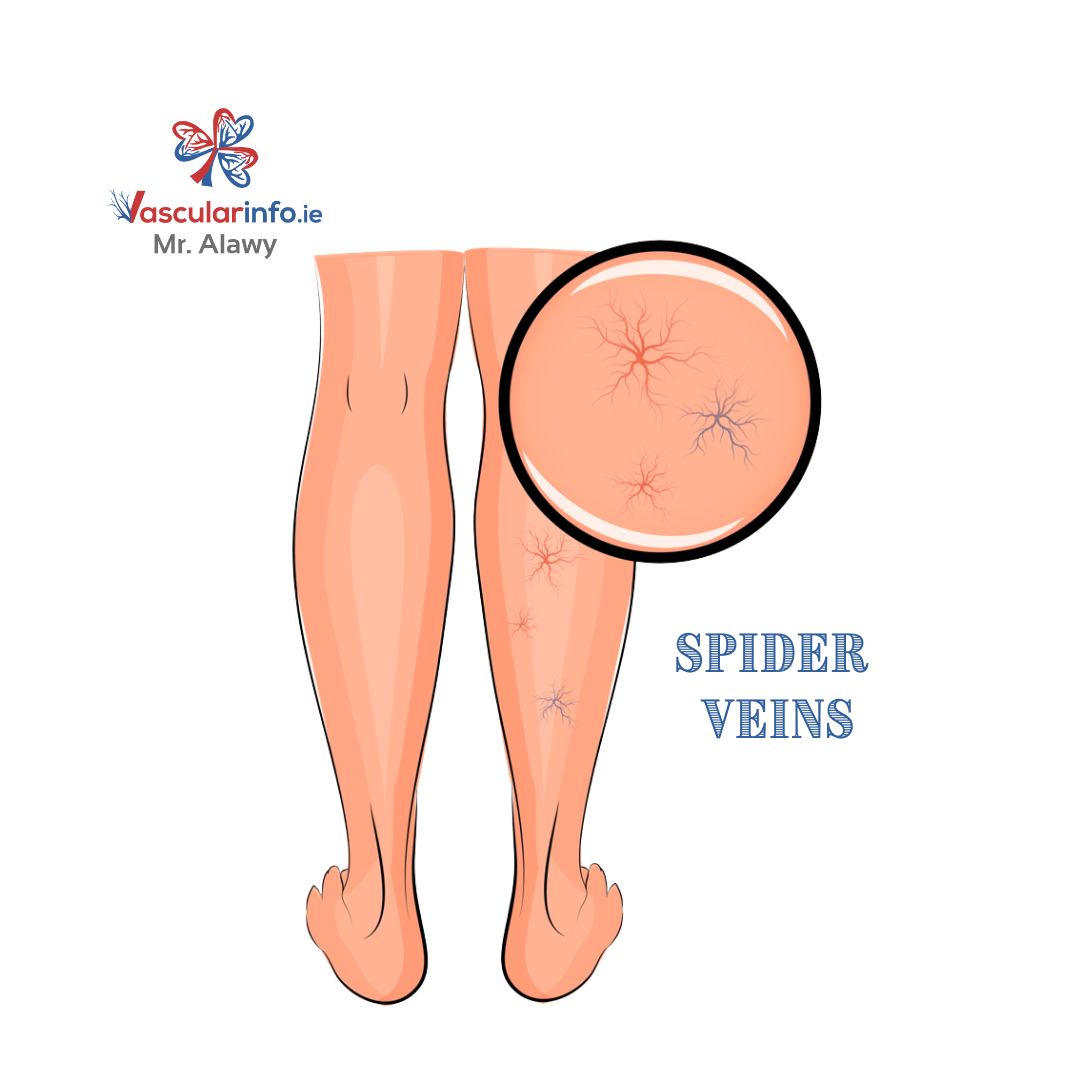
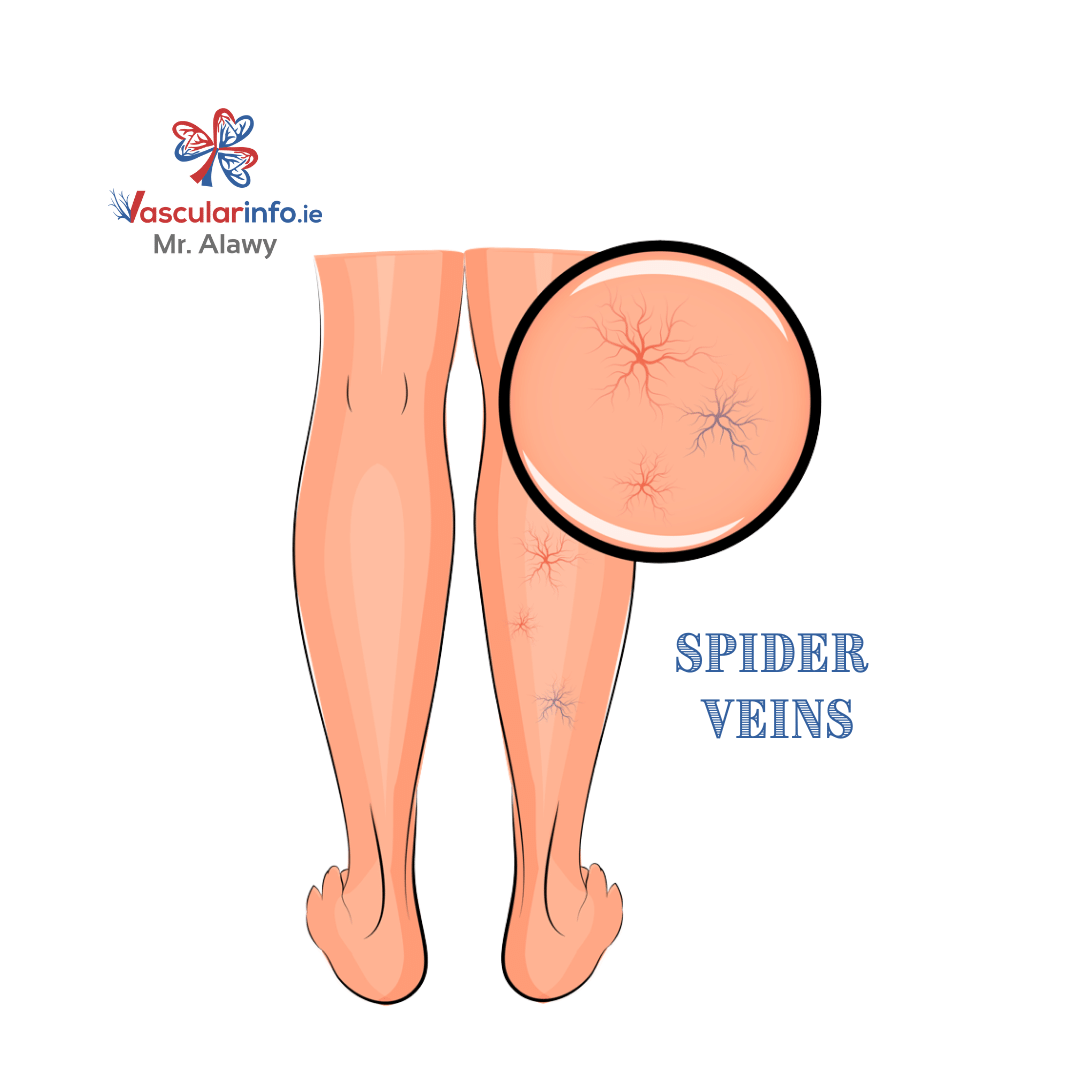
SCLEROTHERAPY FOR SPIDER VEINS
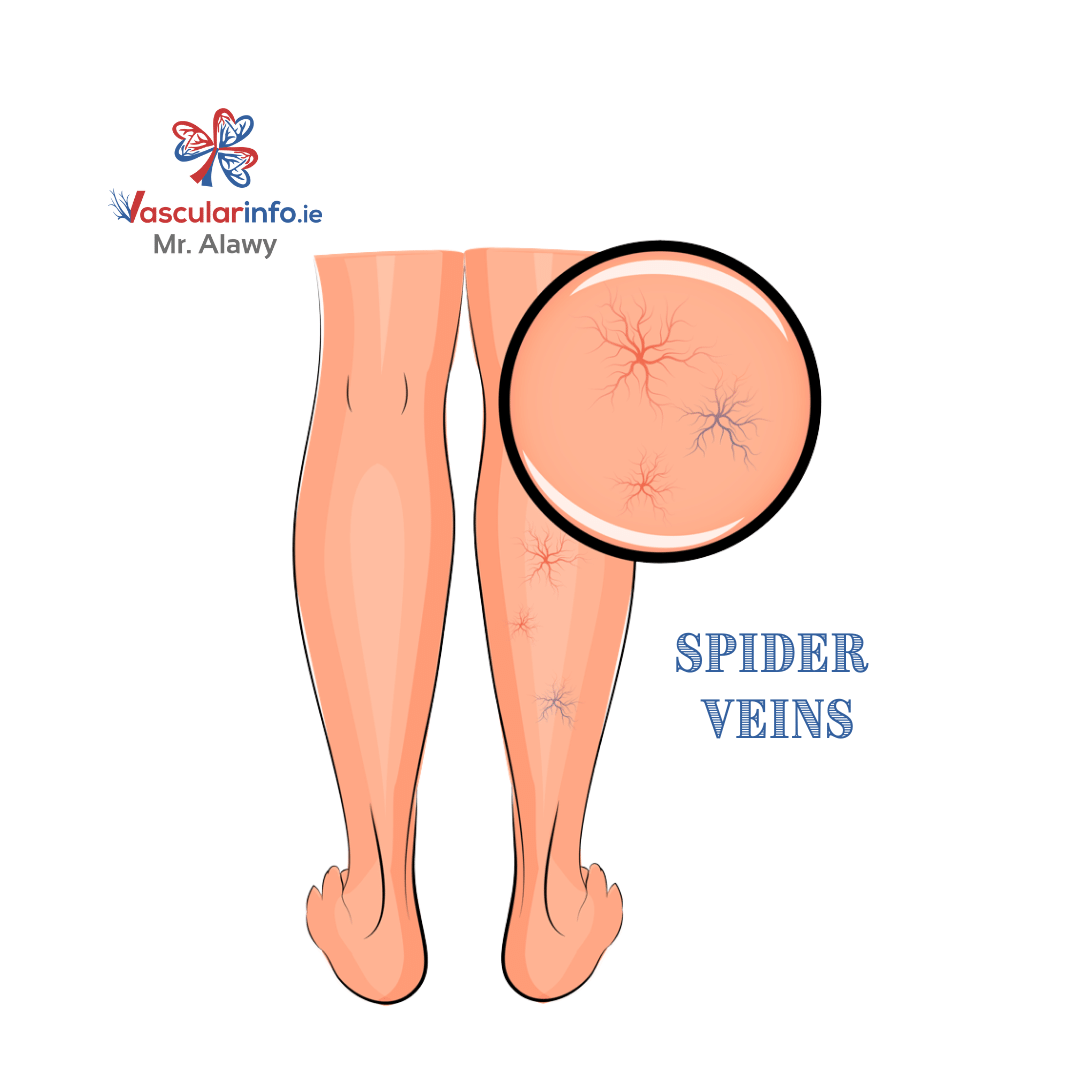
Sclerotherapy is a well-established treatment for thread veins on the legs. There are several alternative treatments, but this is the standard treatment. Sclerosant solution injected into spider veins and reticular veins that act as an irritant. This irritant causes the collapse of the veins so that they become sealed. This causes the vein lining to become sticky. The veins are then closed by wearing compression stockings then The vein will eventually fade away. This treatment does not require a live ultrasound guide to precisely locate the position of the affected veins in the body. Because the surgeon can identify spider veins much closer to the skin surface, and apart from its non-invasive nature, you can have it multiple times if required.
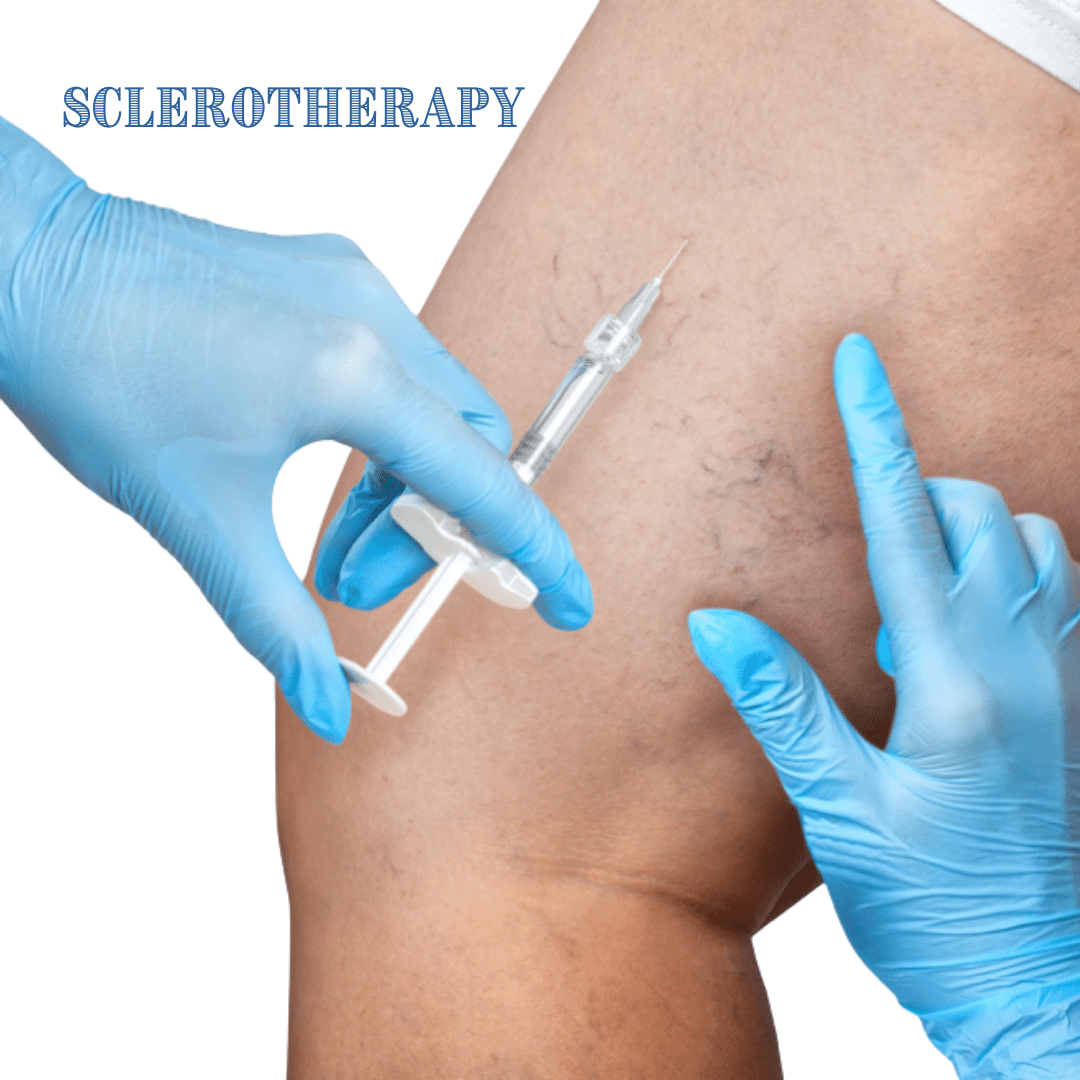
WHAT DO YOU NEED TO DO BEFORE AND AFTER SCLEROTHERAPY FOR SPIDER VEINS?
Before treatment, avoid using bath oils or skin creams for at least 24 hours. Dress comfortably and loosely to accommodate the compression hosiery.
After the treatment, you should wear your support compression stocking for 48. After this time, you may remove the stocking to bathe, but you must continue to wear it for at least a week. Some patients may experience slight bruising and dark spots on their skin after a few days. Some individuals also report experiencing small sores in the treatment area and red raised and inflamed areas. However, most of these symptoms relieve on their own within two weeks.
The individual will be able to see the final results after four to six weeks of treatment. However, some may also require multiple treatment sessions to get their desired aesthetic results.
Haemosiderin deposition brown marks are the most common side effect. Haemosiderin deposition occurs due to trapped blood within closed veins or at the injection site. These brown marks are usually not permanent and will fade over 6 to 18 months.
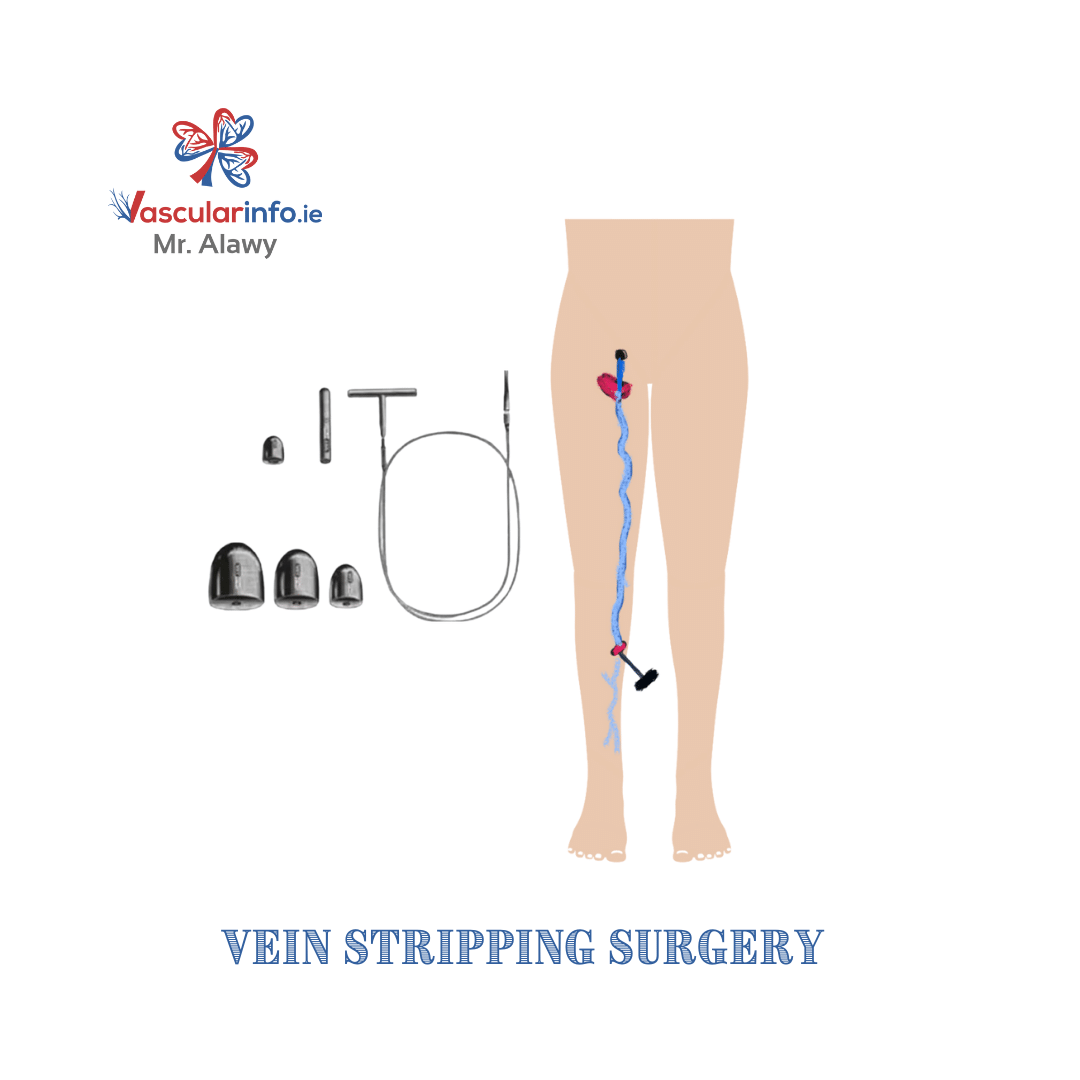
VEIN STRIPPING SURGERY
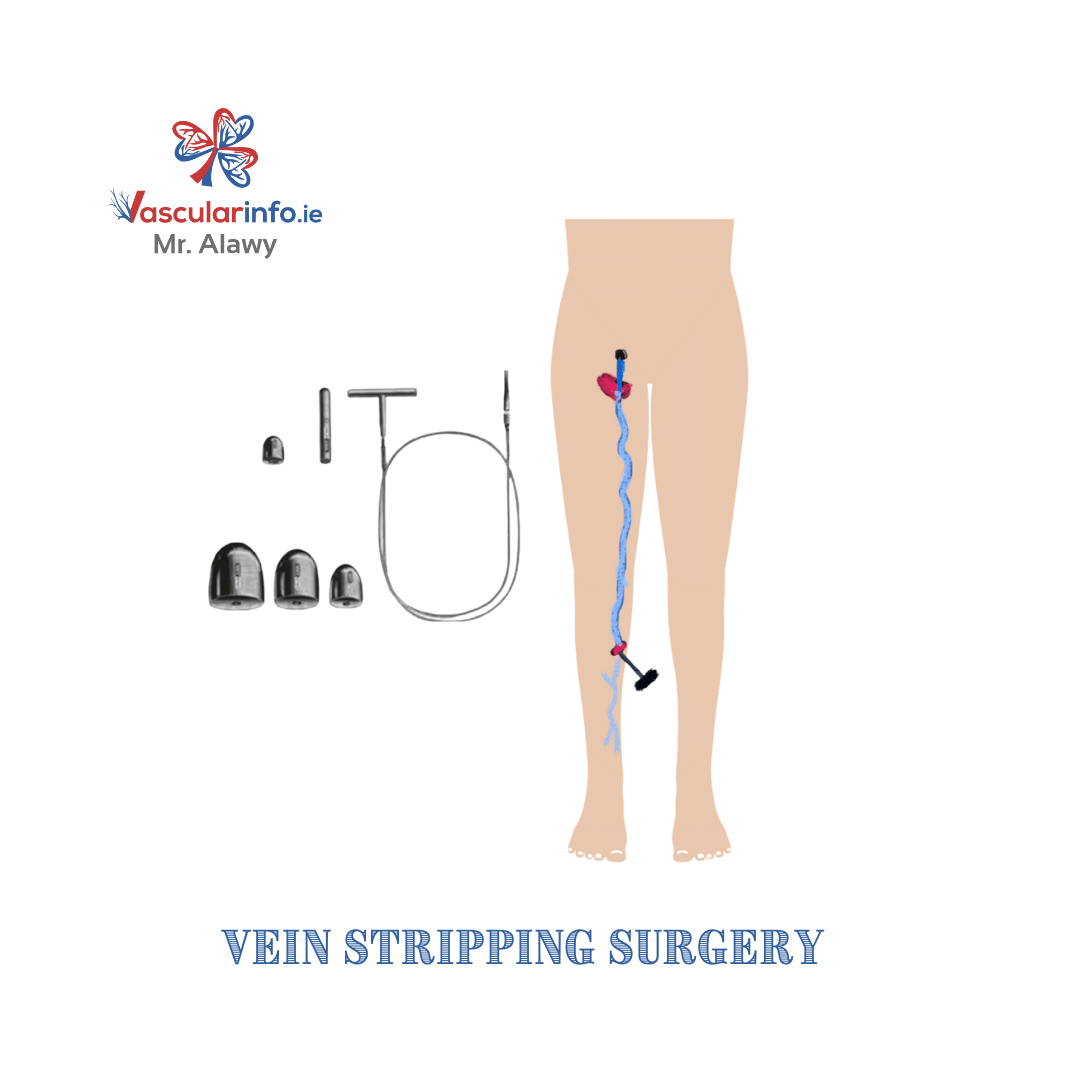
Vein stripping surgery is not performed as often as it used to be in the past. However, stripping surgery is still considered a treatment option for cases that may not be suitable for treatment with the minimally invasive option. It was the standard treatment method for treating the Great Saphenous Vein, which was “stripped” (pulled out from under the skin with minimal incisions). Typically, the surgeon makes incisions in the groin and medial leg. Then, he will insert a particular metal or plastic wire into the vein. The vein is stitched to the wire and extracted from the body. The surgeon will stitch the incised skin and place the dressing over the affected area.
The recovery from this surgery can be painful and may require 2 to 3 weeks to heal.
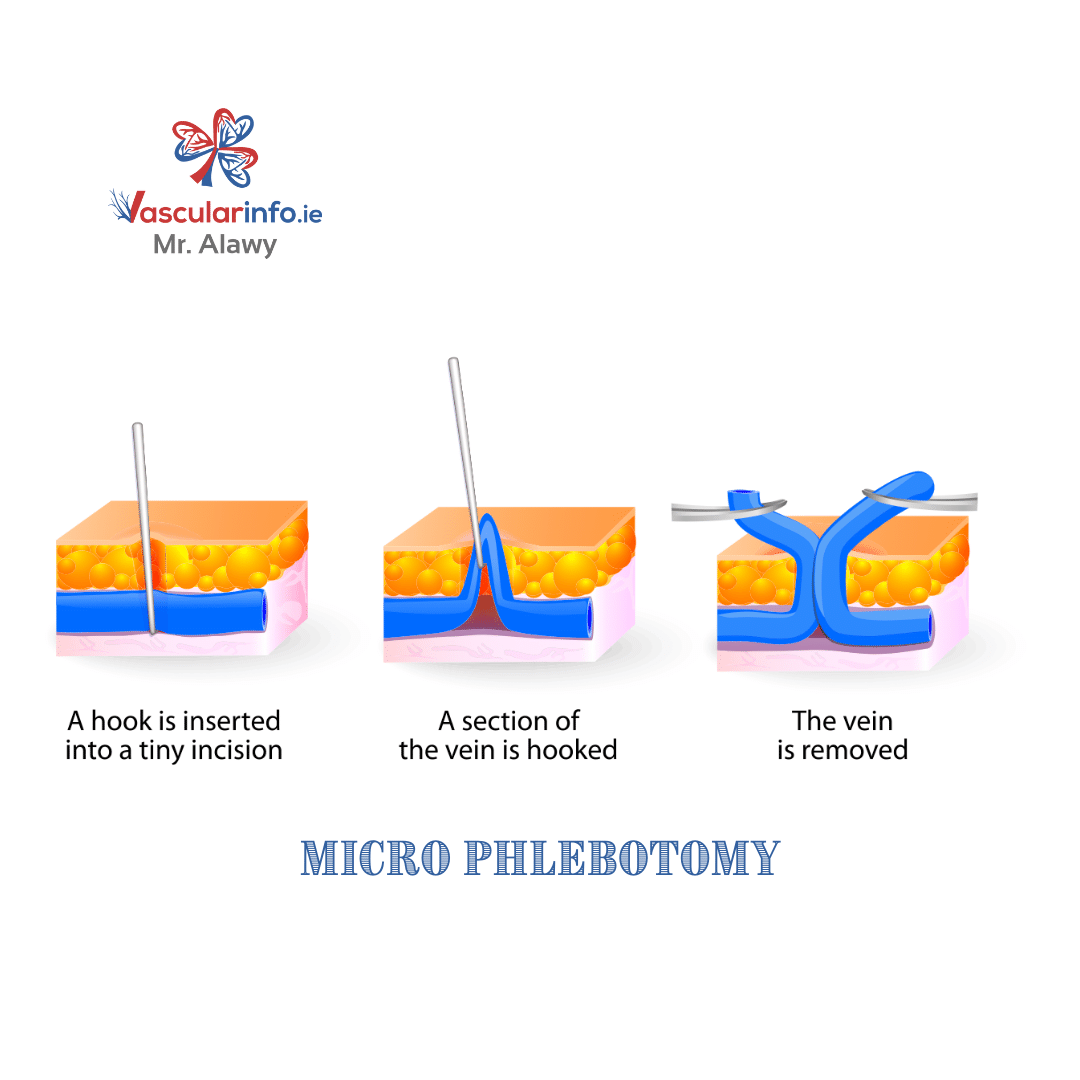
MICRO PHLEBOTOMY
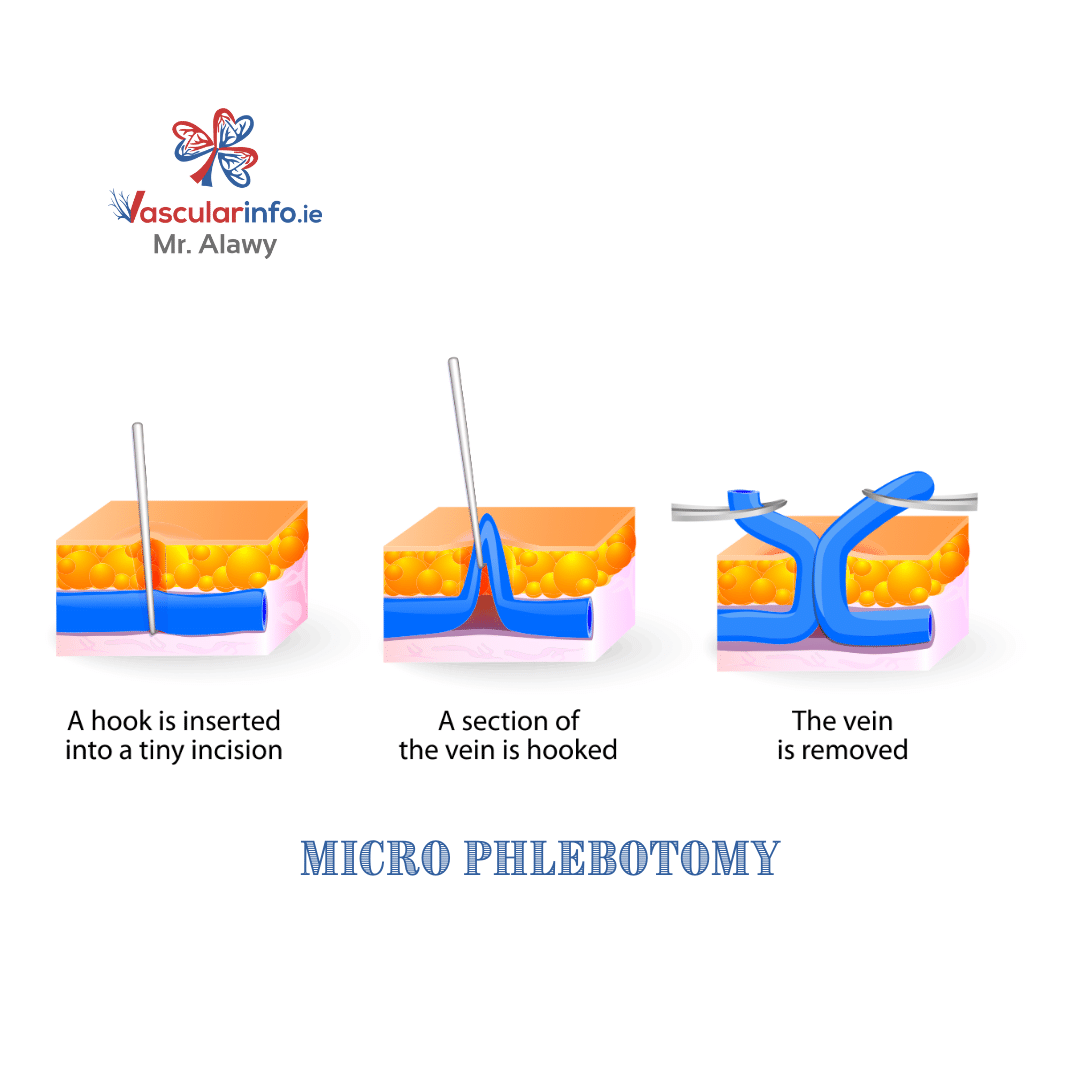
Microphlebectomy is a treatment option for moderate to severe forms of Varicose Veins. It involves numerous small tiny incisions to the target areas, after which phlebectomy hooks remove problematic veins.
WHAT ARE THE RISKS ASSOCIATED WITH VARICOSE VEIN TREATMENT
Varicose veins surgery risks are different from one patient to another. Each procedure has its own risk. Your vascular surgeon will explain the risks and benefits of surgery and various treatment options.
- Mild to moderate pain in the legs
- Numbness or tingling in the legs
- Scarring
- Infection at the site of incision
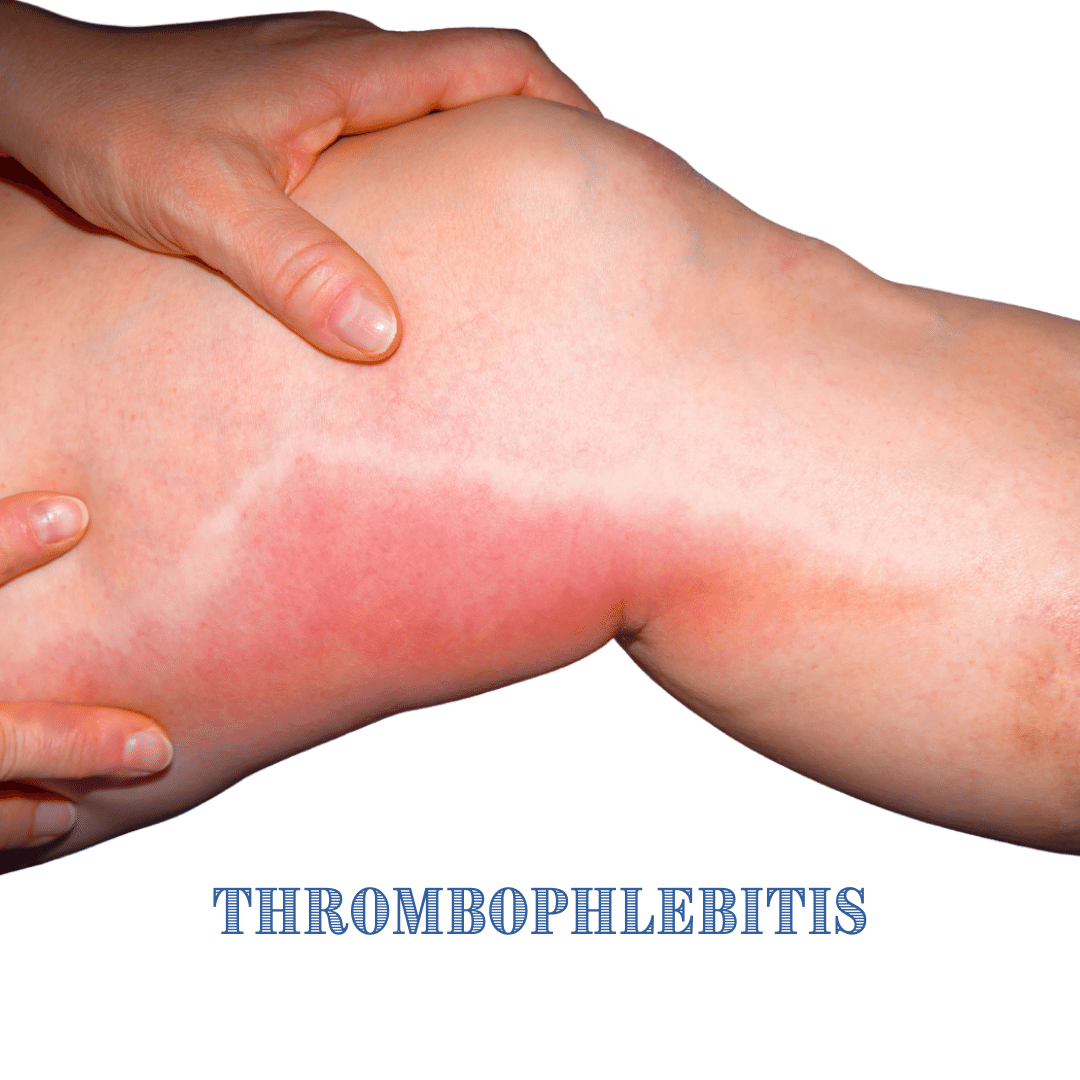
- Phlebitis Inflammation of the veins at the site of the treatment
- Allergic Reactions
- Bleeding from the treated site
- Swelling in the legs
- Hematoma; blood collection outside the blood vessel
- Darkening of the skin around the treated site
- A feeling of numbness, prickling, or tingling in the treated leg
- Deep Vein Thrombosis, Pulmonary Embolism or stroke are very rare
- Formation of an ulcer at the site of injection
- Recurrence, please note that varicose veins are a lifelong problem, and while we can remove the ones that are there, there is nothing to stop you from growing new ones.