Vascular Screening
(A simple test that could make a difference in your life)
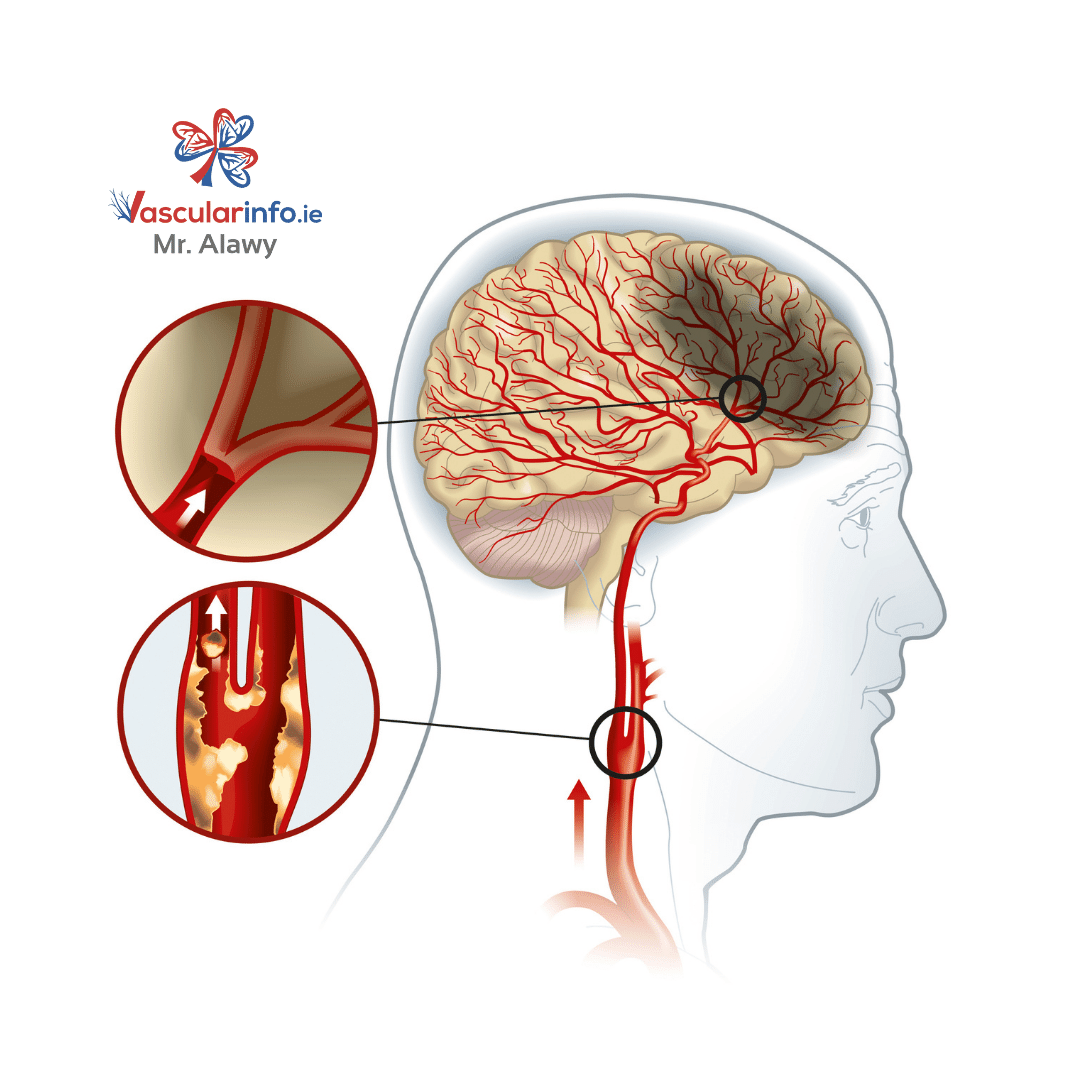
Unfortunately, vascular diseases are frequently asymptomatic. Therefore, most symptoms do not appear early. By the time patients present symptoms, they may have progressed to a potentially life-threatening complication like a stroke or ruptured aortic aneurysm.
Who Is an Appropriate Candidate for a Vascular Screening?
Individuals who have more than one of the risk factors listed below should consider asking their GP if a vascular screening would be beneficial:
- Age greater than 60
- Have diabetes
- High blood pressure
- High cholesterol
- Obesity
- Smoking History
- Family history of stroke
- Ischemic heart disease
If you have symptoms like breathlessness, trouble walking, or chest pain, you should tell your doctor, who can recommend appropriate tests.

How is the screening carried out?
Carotid Ultrasound
is used to detect the presence of fatty deposits that can obstruct blood flow in the neck's carotid artery. These obstructions have the potential to contribute to a stroke.

Aortic Ultrasound
Using the ultrasound to assess the presence of an aneurysm, a weak spot in the arterial wall that balloons over time. It can grow bigger and eventually erupt, resulting in a grave medical emergency.

Ankle-brachial index
A test to check for peripheral arterial disease (PAD), which can be dangerous to your leg health and is often a sign of heart disease.