
Basics about Open Abdominal Artery Aneurysm Repair
What is an Abdominal Aortic Aneurysm?
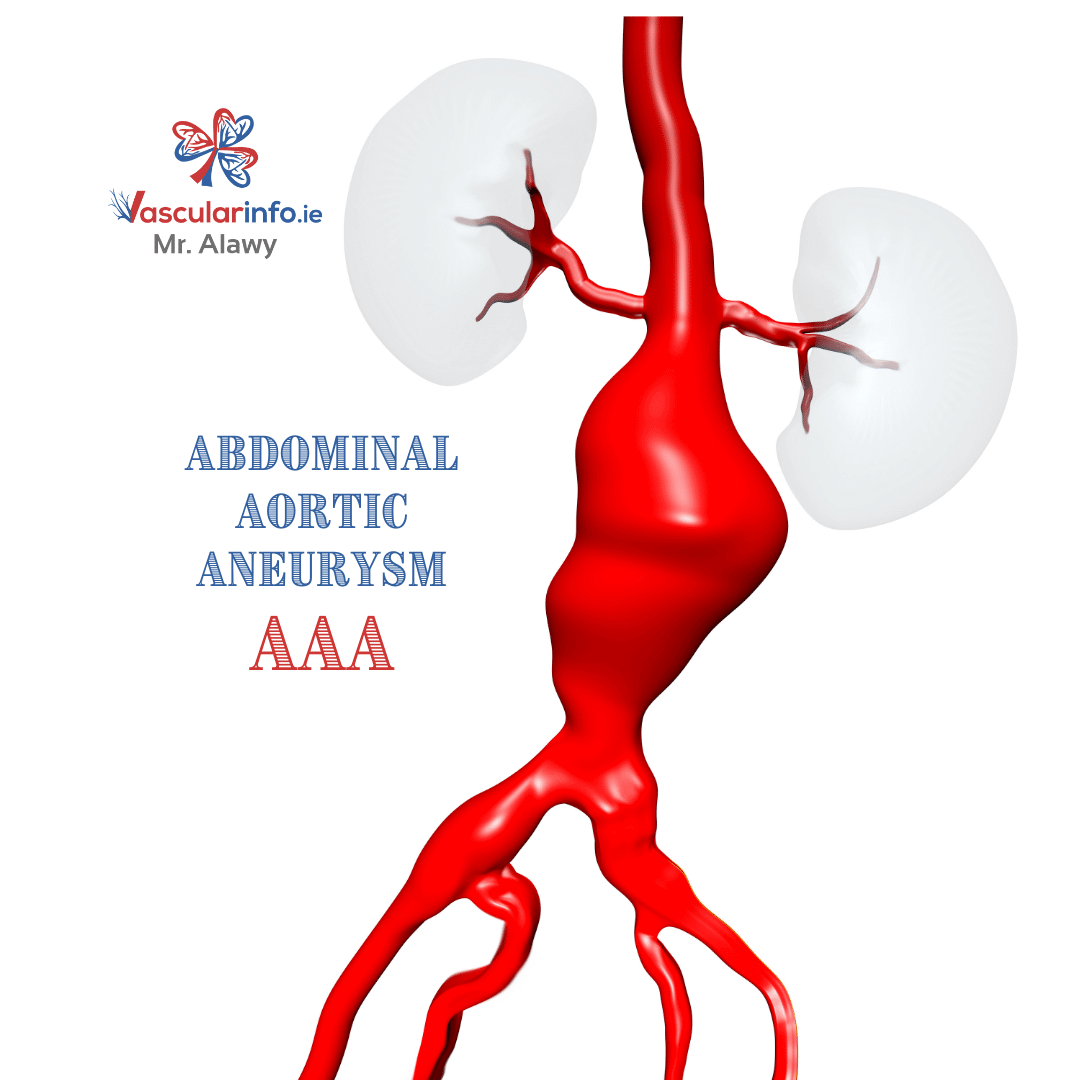
Aorta is a pipe that carries blood to your body, crosses your trunk, and then divides into two iliac arteries, one going to each leg. Sometimes, in high-risk individuals, the artery wall in the abdominal region becomes weak and balloons out, leading to the formation of an abdominal artery aneurysm (AAA).
Risk factors of AAA involve smoking, high blood pressure, age and the presence of positive family history.
There are two surgical options for treating AAA.
- Open abdominal artery aneurysm repair
- Endovascular abdominal artery aneurysm repair
What You Should Know about Open Repair?
As evident from the name, Open AAA repair is open abdominal surgery. Before the surgery, your anesthesiologist gives you general anaesthesia to ensure that you are fully asleep during the procedure and injects pain-relieving medications in your back near the major channel of nerves. It helps you with pain both during and after the surgery.
After making an incision, your vascular surgeon places clamps on both ends of the aneurysm to avoid bleeding. He then makes an incision in the aneurysm. Next, he lifts the side flaps of the aorta, placing a vessel graft within the opened artery to bypass the diseased area. After that, he will remove the clamps from the artery and sew the aneurysm flaps around the graft to provide strength. Finally, he closes the wound using clips or stitches.
The whole surgery usually takes around 3 to 4 hours. After that, you have to stay in Intensive care units (ICU) for 24-48h then transfer to the ward for 4 to 5 days.


What Tests Do You Need Before the Operation?
Open repair is a major surgery that presents risks of complications. Hence, your surgeon will order multiple tests to look for any abnormality in your body that can complicate the operation.
- CT Scan or MRI: These tests let your vascular surgeon know about the exact condition of your vessels and the extent of your disease.
- ECG and other heart tests: The strength and health of your heart matter a lot during surgery. ECG and other heart tests let your doctor know about your heart condition. It helps him to determine whether your heart is strong enough for the surgery or not.
- Chest X-ray: It shows the condition of your lung health, which is pretty essential to make surgery successful.
- Other blood tests such as your kidney function
What Happens Before the Surgery?
Before the surgery, your vascular surgeon will schedule a pre-op assessment meeting for you. He meets you there with your anesthesiologist and attending nurse. Your doctor will take your complete medical history related to your disease and medications. It would be best to take all your medications with you for this meeting to have your doctor’s advice about them.
Your anesthesiologist will run a small test to check whether you are fit for the operation or not. Then, the anesthesiologist explains which type of anaesthesia he will be using during the procedure. In addition, your surgeon will explain the whole process to you. He also advises you about the precautions you need to take before coming to the operation theatre. Your pre-op meeting helps your surgeon have a clear idea about your health status. It is also the best way to discuss if you have any concerns about the surgery.
Your surgeon will also schedule the time of your operation during this assessment.


What Happens inside the Operation Theatre?
Inside the operation theatre, you will meet nurses who will prepare you for the operation. First, your anesthesiologist gives you general anaesthesia to ensure that you are fully asleep during the procedure and injects pain-relieving medications in your back near the major channel of nerves. It helps you with pain both during and after the surgery.
Before making an incision, your vascular surgeon will clean the access skin site with solutions that restrict the chances of infections. The theatre team will be around you, each handling a dedicated task.
One will insert a tube through your mouth to the stomach to drain contents, preventing them from moving into your lungs. The tube usually remains in your stomach even after the surgery until your digestive system starts working again correctly. Surgery will be performed as explained before. After surgery, you will be transferred to ICU for monitoring.
What Happens After the Surgery?
After the surgery, you will be admitted to the ICU for more critical management. After your condition become stable, they will take you to the ward. Your nurse will critically monitor your health status. They will keep track of your blood pressure, heart rate, breathing rate and body temperature. They will regularly draw blood samples to check for any abnormality that might have occurred after the operation.
Doctors, keeping track of your digestive system, will slowly increase your diet from liquids to semi-solids and solid food. Nurses will change the dressing of your stitches regularly. If all goes well, you will be ready to go home after 5-7 days. Your public health nurse will monitor your wound until the wound heals completely.


What Precautions to Take at Home?
You can take certain precautions at home to speed up your recovery.
- You need to take special care of your wound. For example, it’s best to avoid using soap on the wound while showering.
- Your doctor will give you some medicines to relieve your pain.
- It will help a lot if you walk daily for some time. But you should avoid lifting heavy objects in the early postoperative weeks.
- Try to avoid driving until your doctor has allowed you.
It roughly takes four to six weeks to recover and entirely return to your daily life.
What are the Possible Complications?
Open AAA repair is major surgery and presents a significant risk of complications. As already mentioned, your surgeon will discuss all these risks with you during the pre-op visit.
There are also chances of you not surviving the surgery. This risk is usually around 4% after open aneurysm repair. Your vascular surgeon will explain your risk of rupture and your risk of open surgery in detail. The final decision about whether you want to have the operation or not will be yours.
Some of the critical complications you need to know before having the operation are as follows.
- A heart attack or stroke
- Wound infection
- Bleeding from the wound
- Chest infections and other chest problems
- Clotting in the veins of your legs is a condition called deep vein thrombosis.
- Kidney failure can also occur during the surgery
- 1 in 10 men can also have erectile dysfunction after surgery. It occurs due to the damage to the nerves present around the aorta.
- Damage to a portion of the bowel’s blood supply necessitates removal and the formation of a stoma. There can be a formation of either temporary or permanent stoma.
- Incisional hernia: An incision made during surgery can weaken the abdominal muscles, leading to an incisional hernia in approximately 10% of patients.

When to See Your Doctor for Follow Up?
Your vascular surgeon will schedule an outpatient department (OPD) review four to six weeks after surgery. This post-op is to check for any postoperative complications and assess your wound healing.

Is There Any Alternative to Open Repair?
Yes, there is a surgical alternative to open repair. The procedure is called endovascular repair or EVAR. It involves placing a graft through an incision in the groin. It is a minimally invasive procedure having its benefits and disadvantages. Unfortunately, not every patient is a candidate for this intervention. You can also adopt the option of no operation. Some people are at high risk for surgical repair. Your risk will be discussed with you in detail to make your own decision.


