Varicose Veins & Venous Diseases

VARICOSE VEINS
WHAT ARE VARICOSE VEINS?
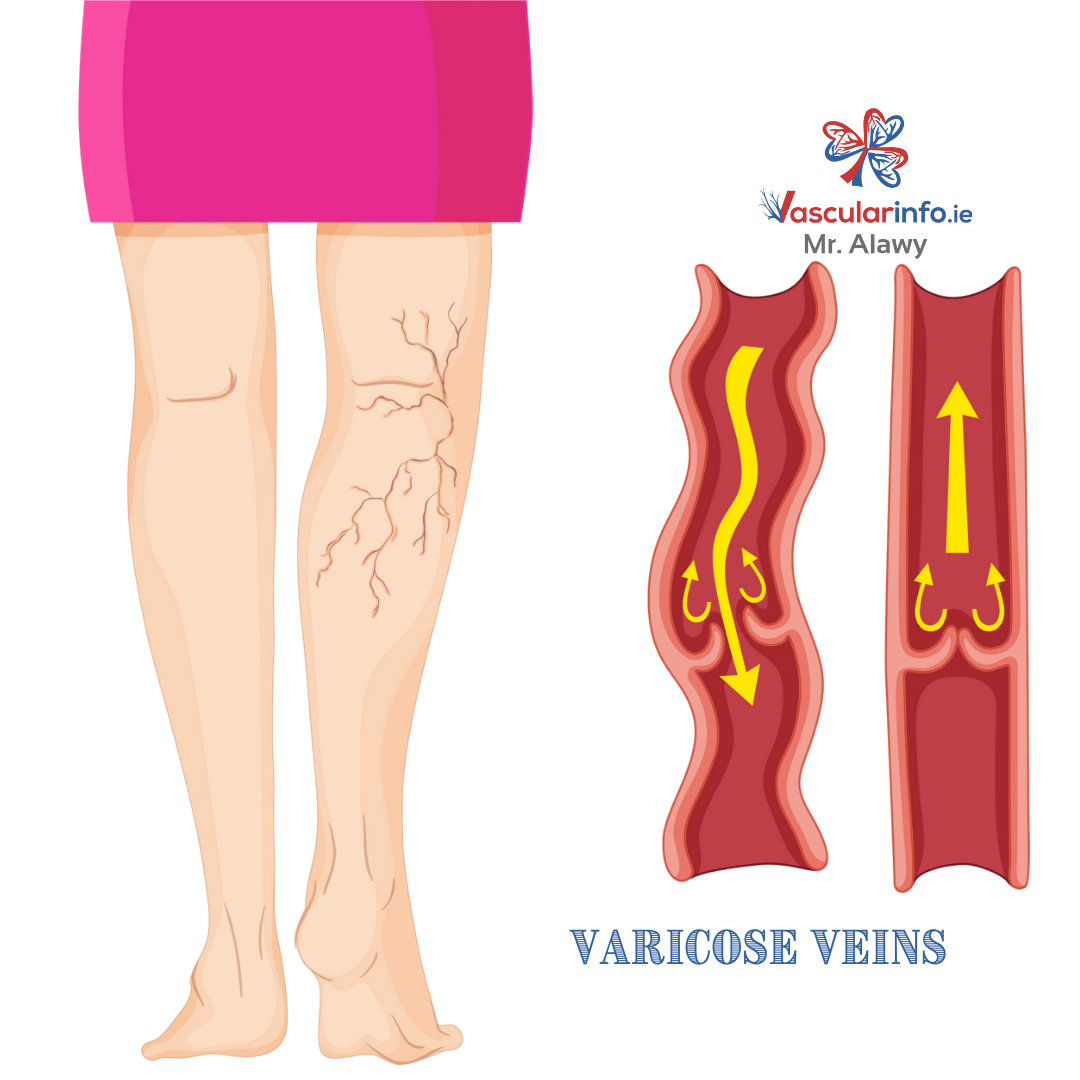
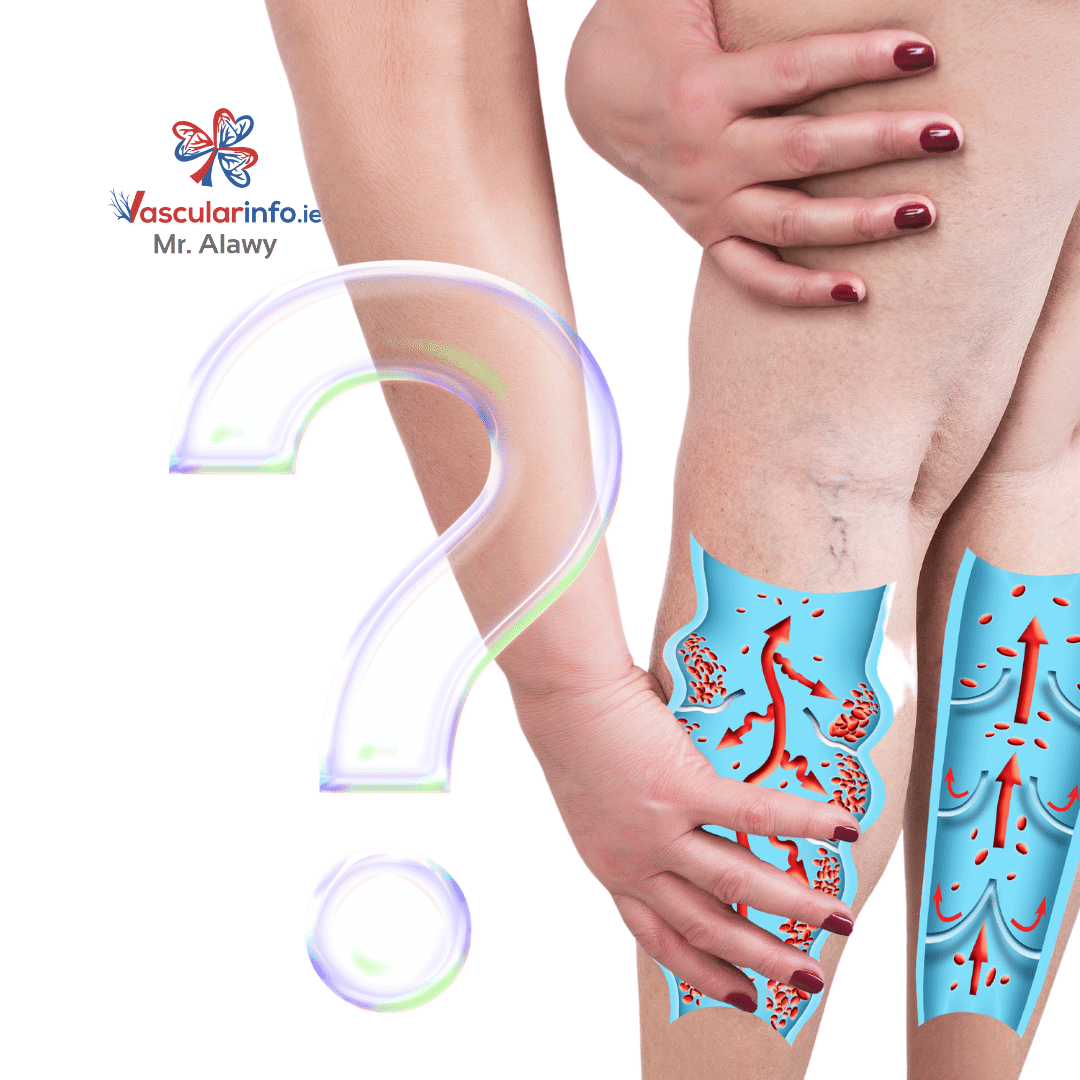
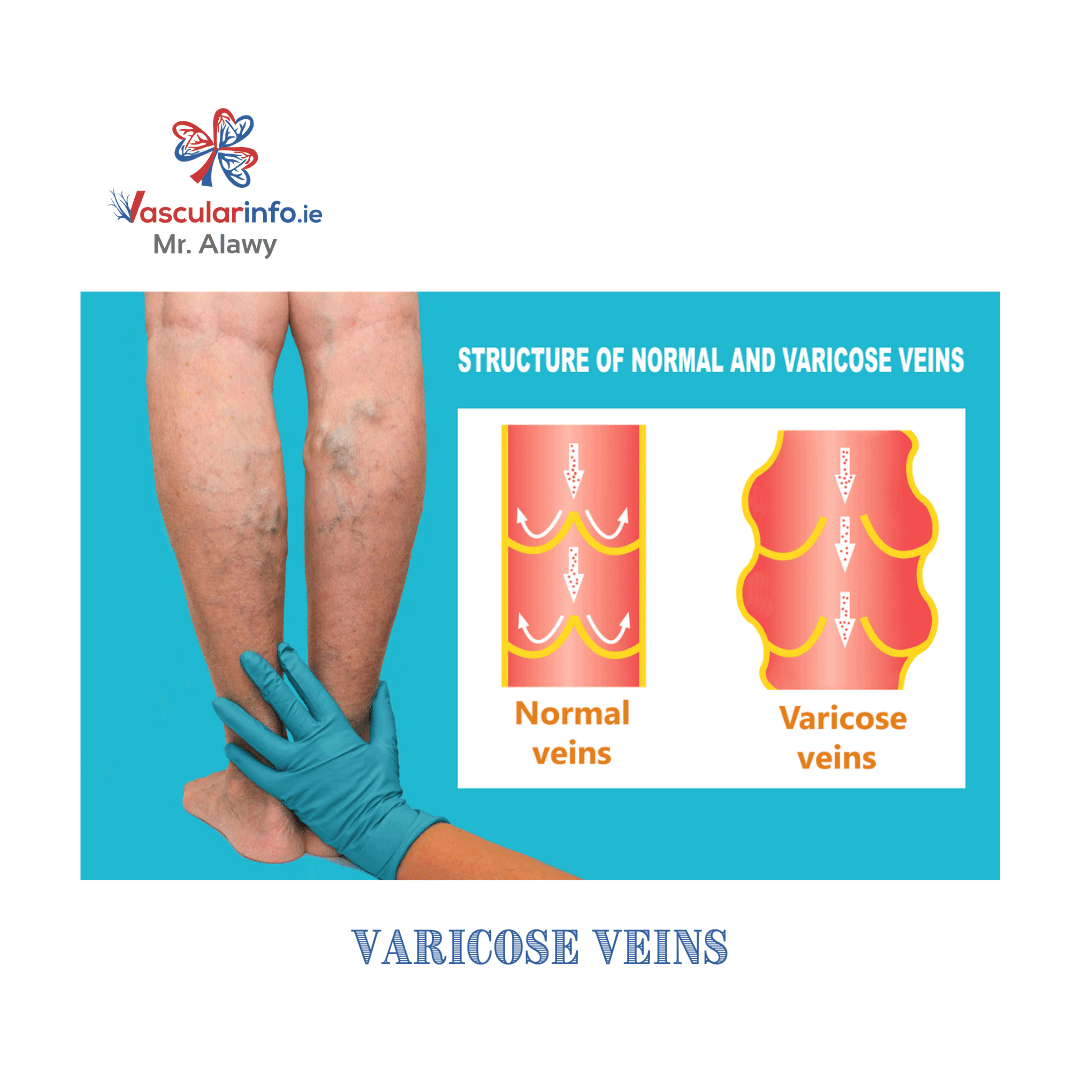
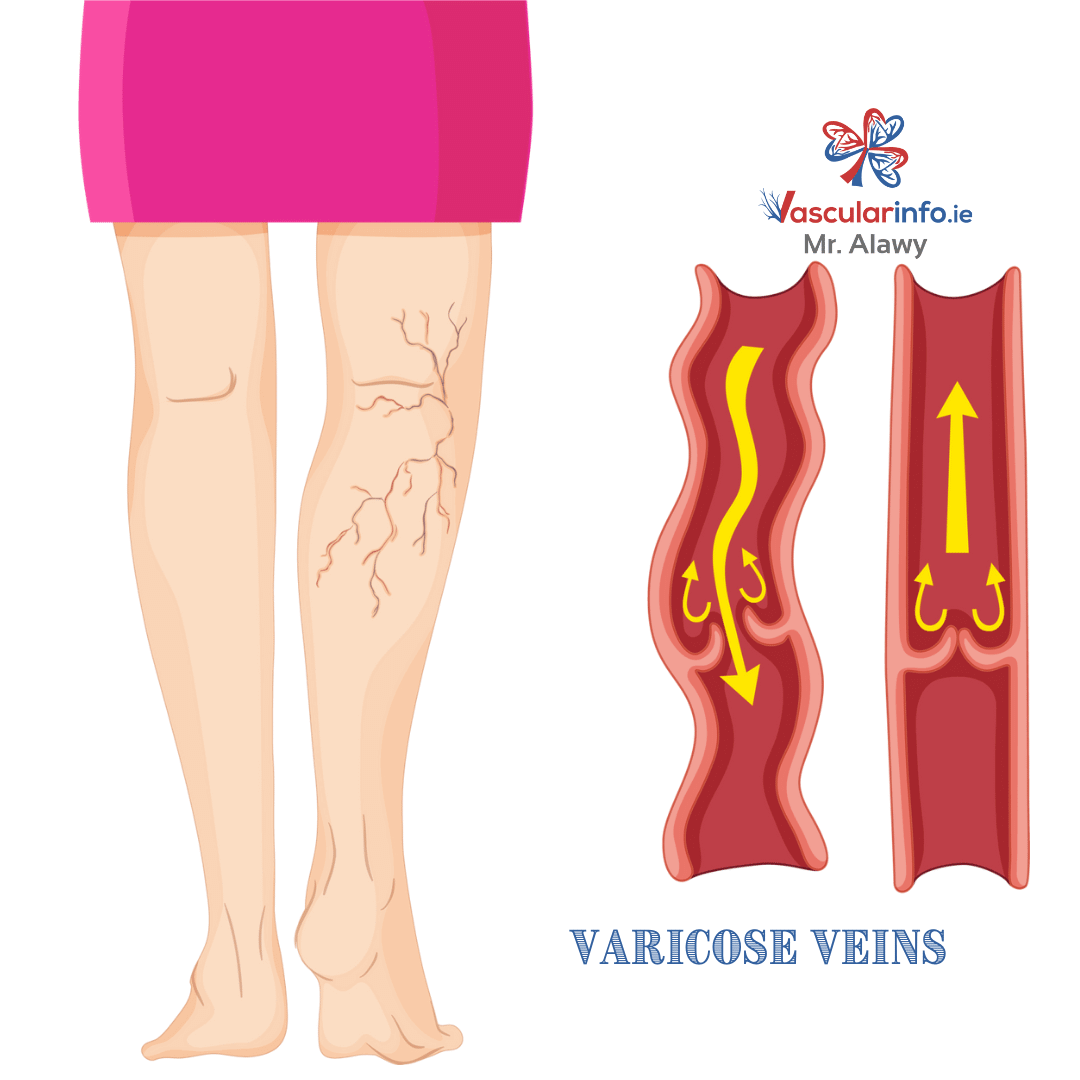
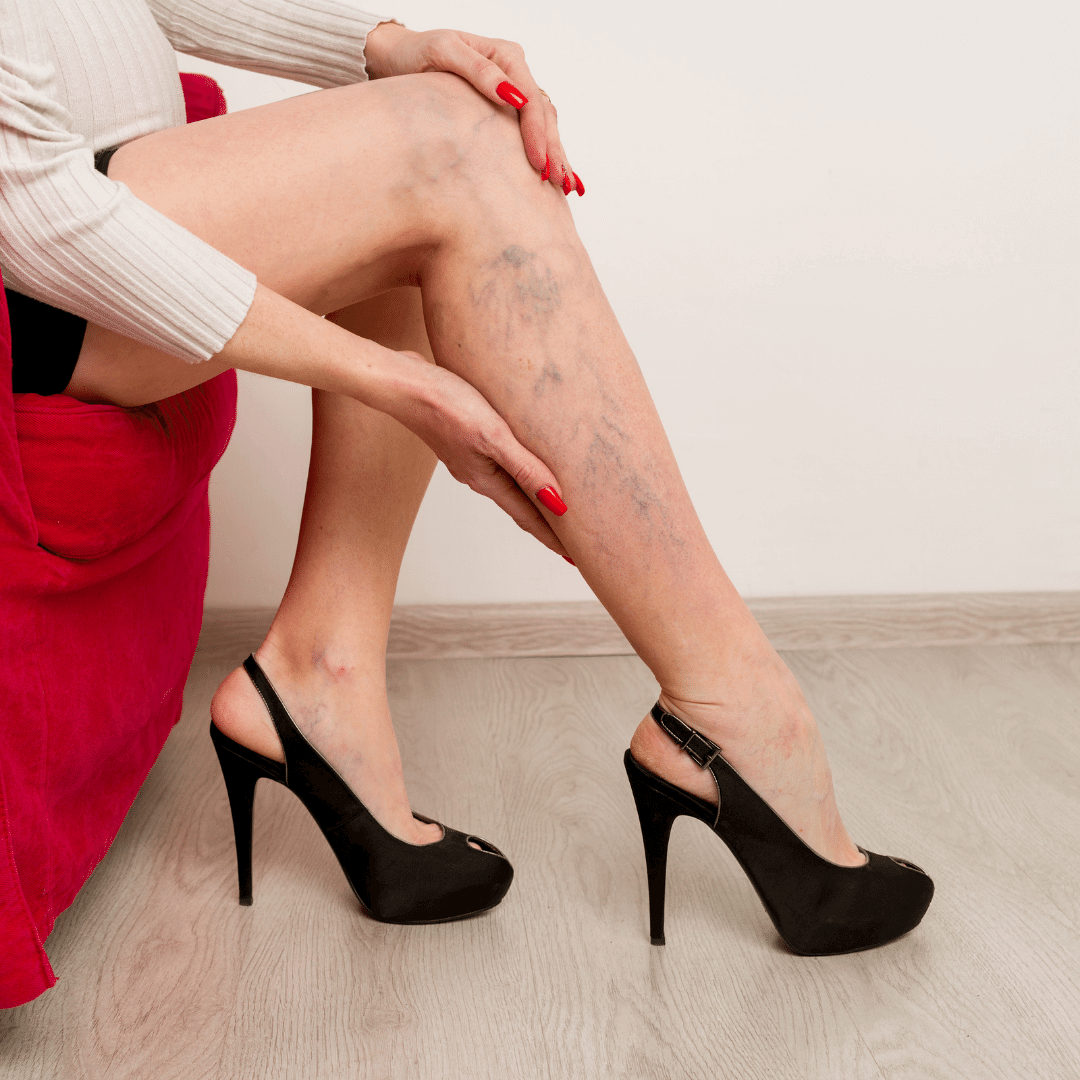
Varicose Veins are enlarged and twisted veins. It commonly affects the veins present in the legs due to increased pressure due to gravity. Varicose veins are not often considered a serious health condition but may affect the individual’s quality of life. Moreover, these veins may be noticeable under the skin and appear as a bunch of twisted bulging cords leading to aesthetic concerns.
WHAT CAUSES VARICOSE VEINS?
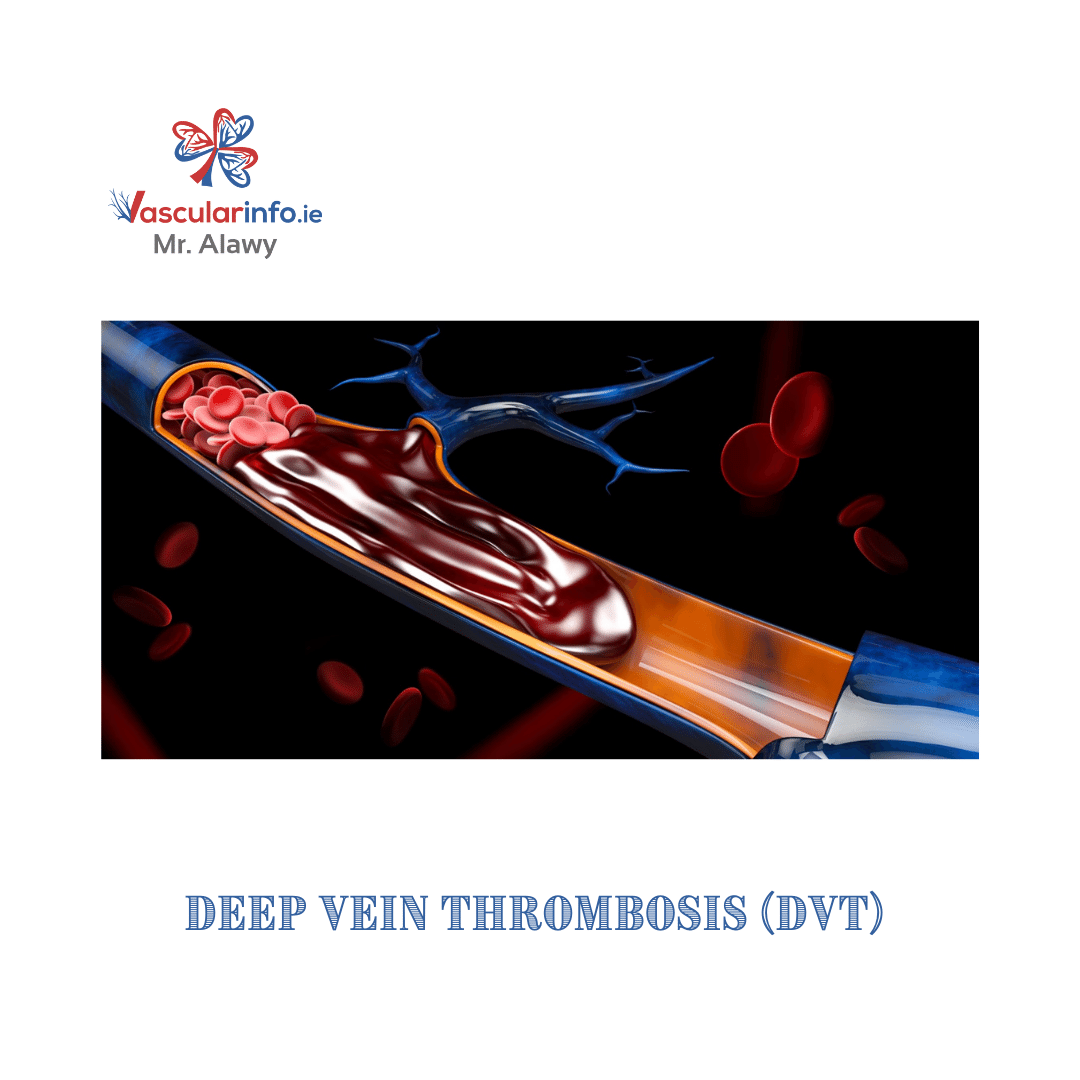
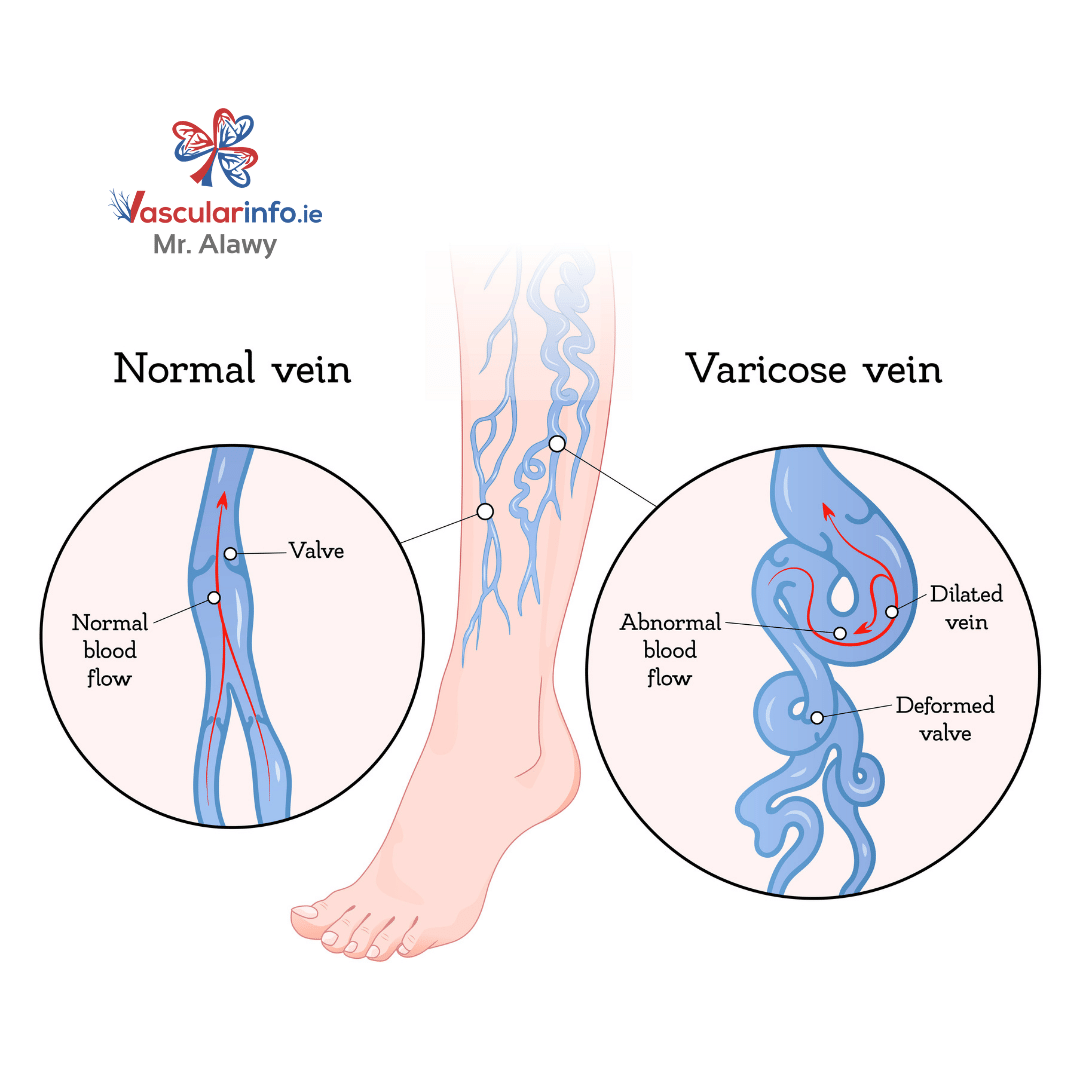
Sitting or standing for a long time leads to the pooling of blood in the leg veins, which causes an increase in pressure and distention. This increased pressure causes weakening of the walls and damage to the vein valves. Valves help direct the blood only towards the heart and prevent backflow of the blood. When these valves become defective, their leaflets fail to meet, causing the blood to pool up and the veins to swell. Another lesser common cause is the blockage of deep veins present in the legs, which results from clot formation, also known as Deep Vein Thrombosis.
WHAT ARE THE RISK FACTORS FOR VARICOSE VEINS?
Some factors may increase one’s chance of getting Varicose Veins. These include:
- A positive family history – if the father or mother of the individual has suffered from vein diseases, their risk increases exponentially.
- Female gender – the hormones present in females put them at a higher risk for varicose veins than males.
- Increasing age – As individual ages, they have more strain on their veins which causes their weakening over time.
- Standing for prolonged periods – Standing in the same place can lead to blood flow stasis in the legs, promoting venous insufficiency.
- Multiple pregnancies – The increase in total blood volume and changes in hormones during pregnancy can negatively impact vein health.
- Weight Gain – The additional weight gain places an excess of pressure on the veins, which might lead them to malfunction.
- A positive history of deep venous thrombosis
How do Patients Clinically Present with Varicose Veins?
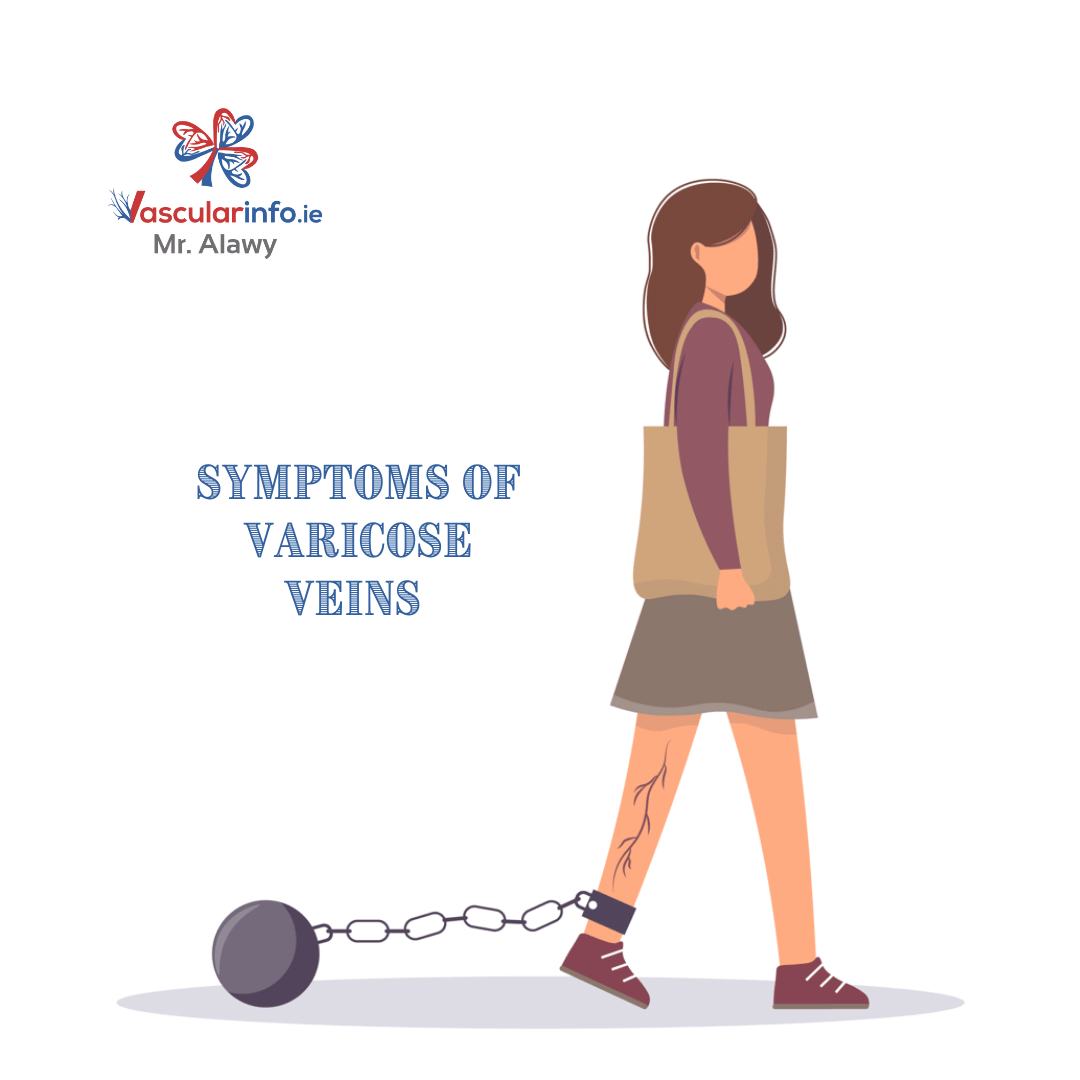
Symptoms of varicose veins vary significantly. Some patients will not complain, while others will have substantial discomfort, which reduces their quality of life. These symptoms usually worsen with age and are more common in female patients.
The most common symptoms include:
- Throbbing or burning pain
- Muscle cramps – which mainly occur during the night
- Leg heaviness and ach
- Itching of the skin
- Difficulties standing for long hours
- Discolouration on the skin
- Mild swelling
- Non-healing sores or ulcers
CAN VARICOSE VEINS RESOLVE ON THEIR OWN?
Varicose veins result from venous insufficiency. It is a condition that does not usually resolve and requires professional evaluation.
HOW ARE VARICOSE VEINS DIAGNOSED?
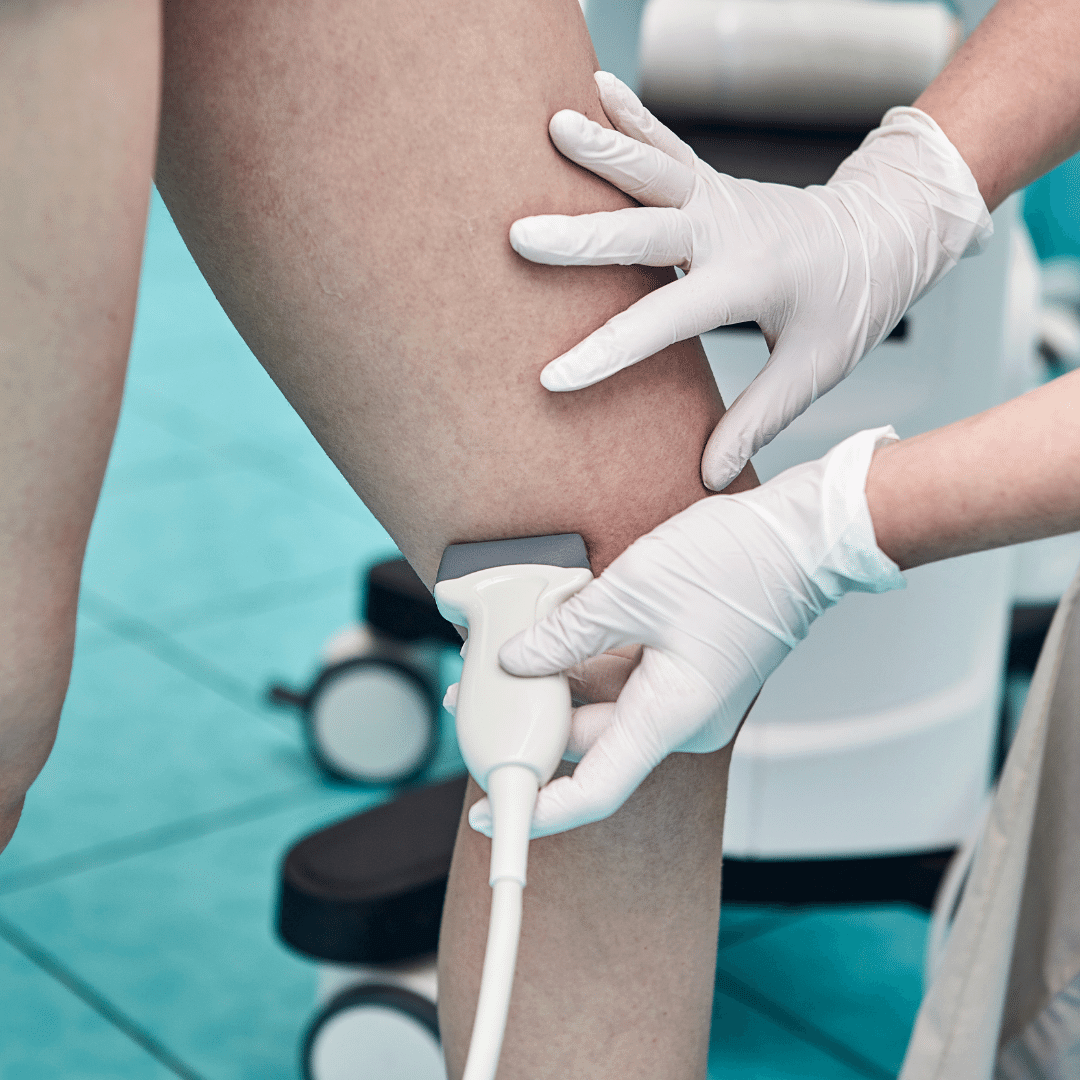
A professional examination of the legs conducts the initial diagnosis of varicose veins by a physician and the presence of signs and symptoms mentioned above. Duplex Ultrasound is the primary diagnostic test to evaluate varicose veins anatomy, patency, and flow. In addition, it helps in vein mapping and to decide about the suitable treatment. However, other diagnostic scans may be needed, especially if deep veins are diseased.
ANATOMY OF THE LEG VEINS
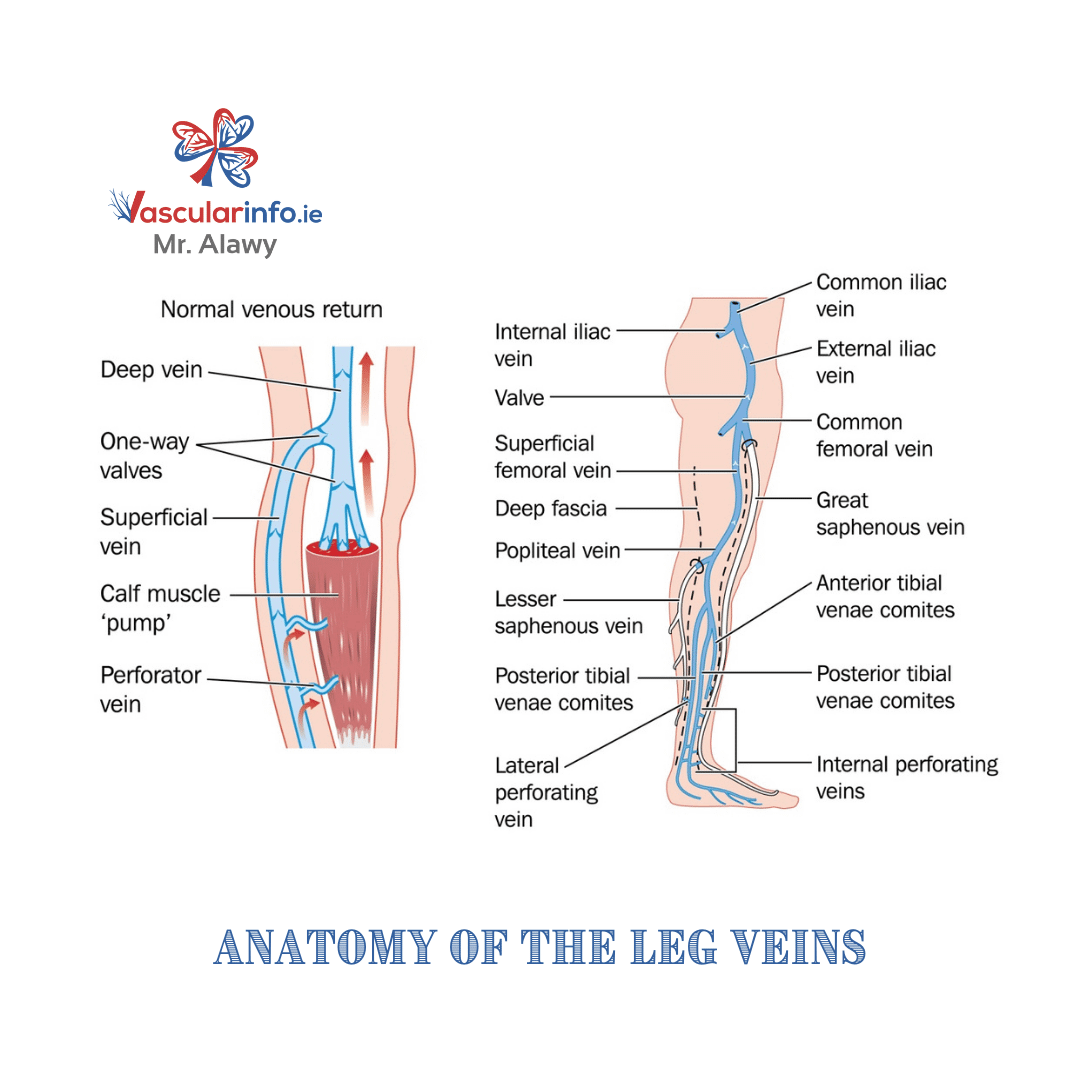
The leg has superficial, deep, and perforating veins. The great saphenous vein is a vein present near the skin that mainly runs along the inner thigh and legs. It drains to a deep vein known as the common femoral vein. This vein has several branches and accessory veins. On the other hand, the small saphenous vein is another superficial vein that runs in the back of the leg.
Perforating veins connect the superficial veins to the deeper veins. There is a high potential for variability between the different superficial veins of the legs. For this reason, Duplex ultrasound mapping is essential when planning treatment.
CLINICAL CLASSIFICATION OF VARICOSE VEINS
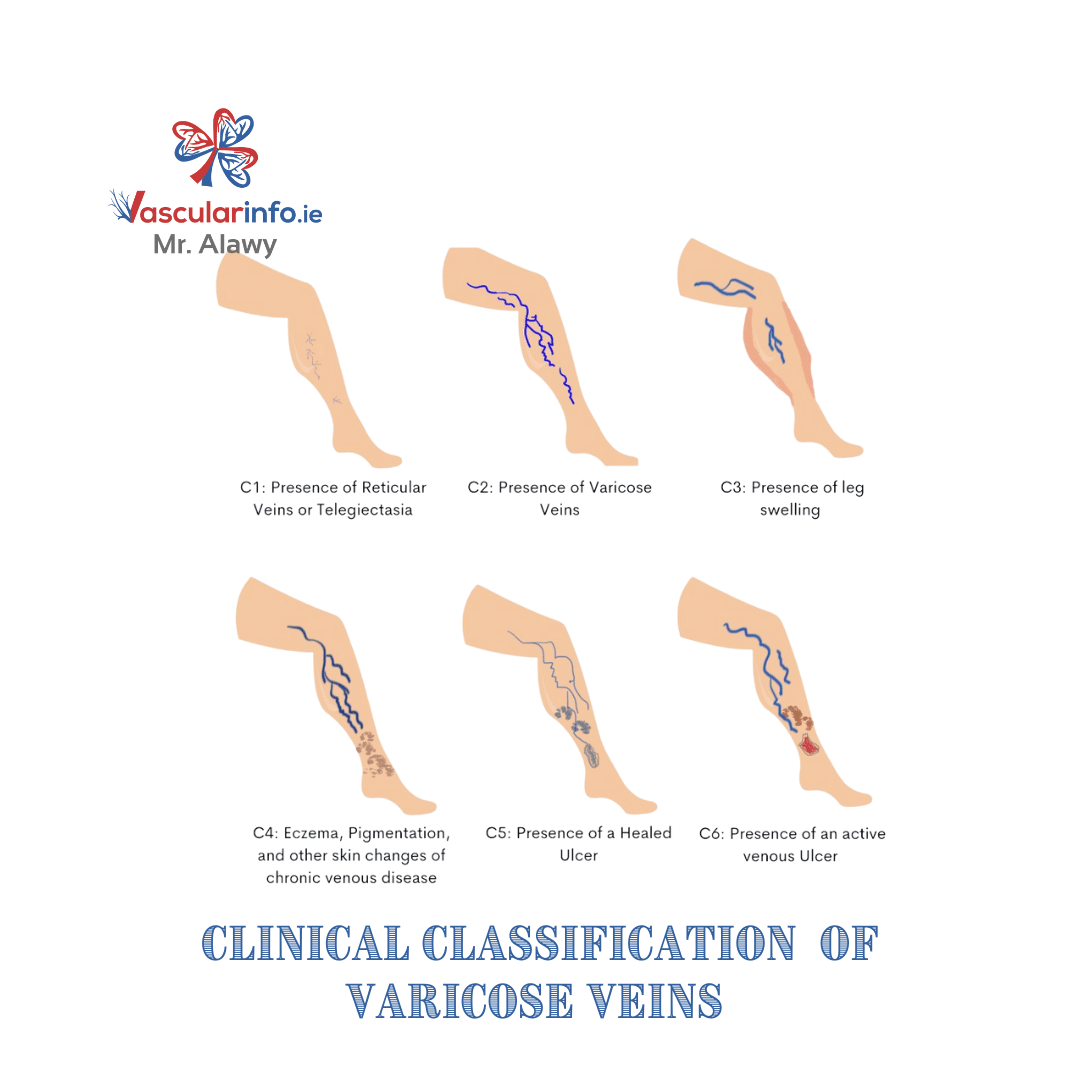
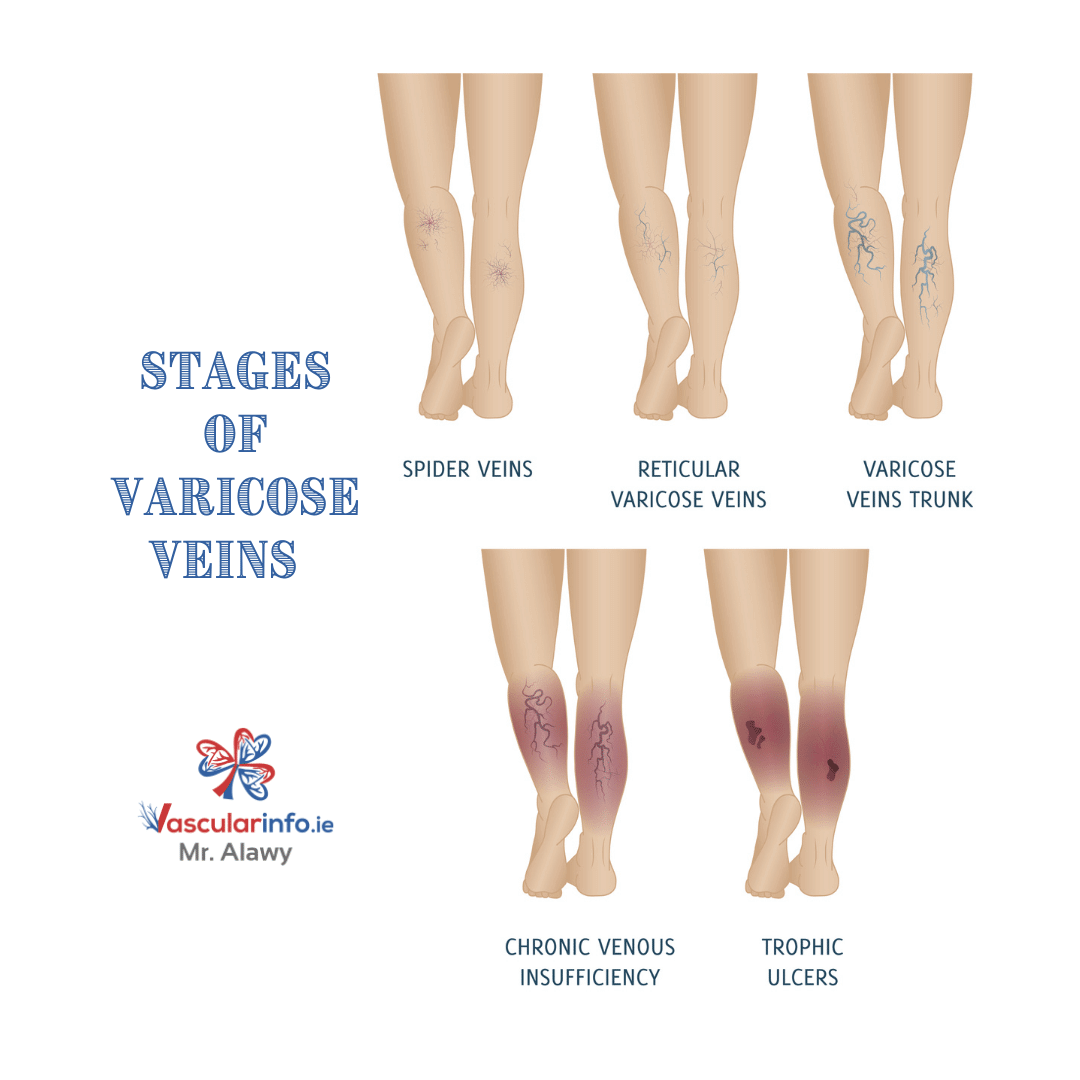
- C0: No apparent sign of venous disease
- C1: Presence of reticular veins or Telangiectasia
- C2: Presence of varicose veins
- C3: Presence of leg swelling
- C4: Eczema, Pigmentation, and other skin changes of chronic venous disease
- C5: Presence of a healed ulcer
- C6: Presence of an active venous Ulcer
HOW CAN YOU REDUCE THE RISK OF GETTING VARICOSE VEINS?
Maintaining a healthy weight and regular exercise can help reduce varicose veins risk and symptoms. Moreover, keeping your feet up while sitting for a long time and preventing dressing uptight also help.
WHAT ARE THE COMPLICATIONS OF VARICOSE VEINS?
- Complications of varicose veins, although rare, can include:
- Inflammation and swelling of the veins - known as Phlebitis
- Chronic Venous Insufficiency
- Varicose eczema: red, scaly and flaky skin usually above the ankle
- Lipodermatosclerosis – usually affects the skin above the ankle, becomes hardened, tight and changes the skin colour to red or brown.
- Development of Venous Ulceration
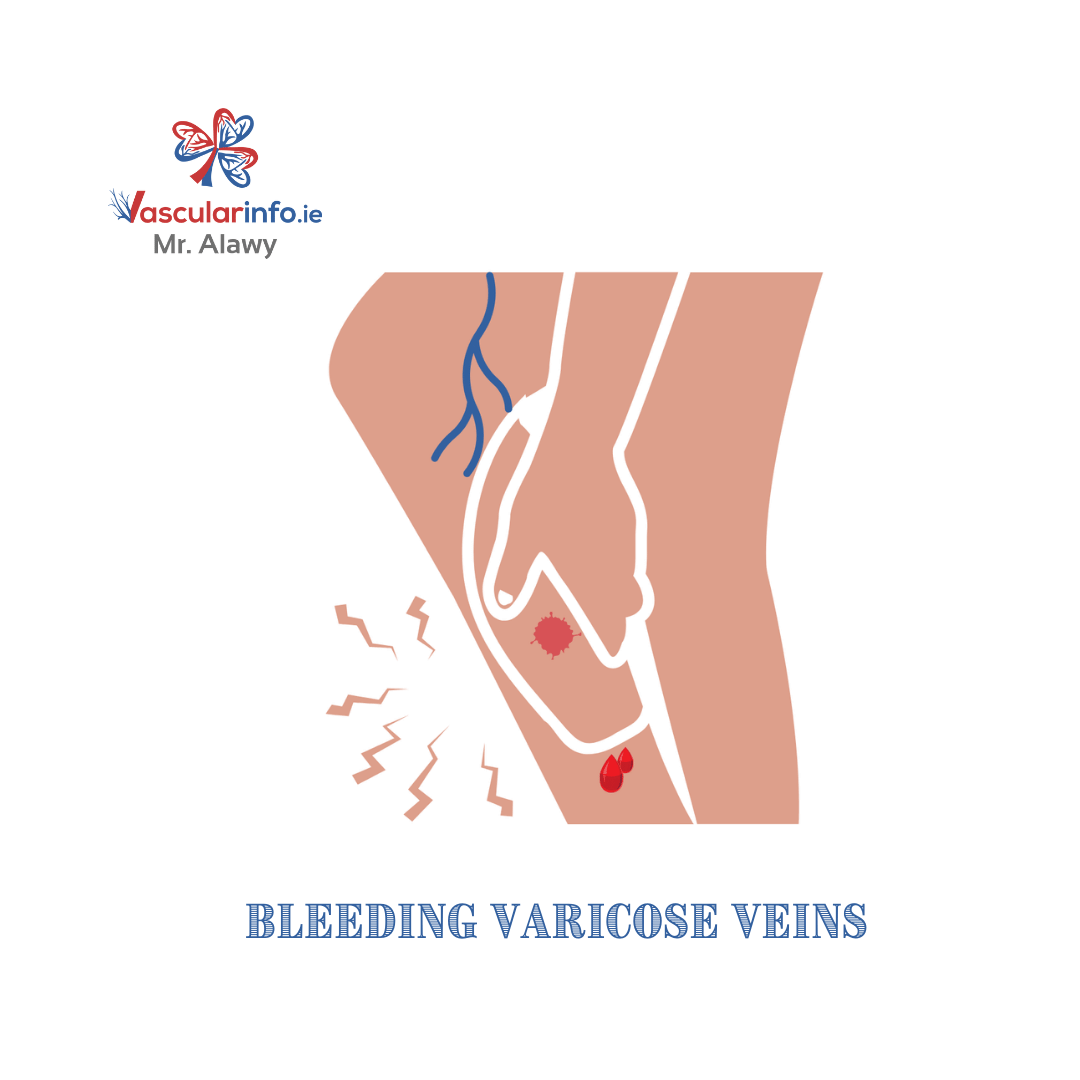
- Bleeding of the Varicose Veins
PROCEDURE FOR TREATMENT OF VARICOSE VEINS
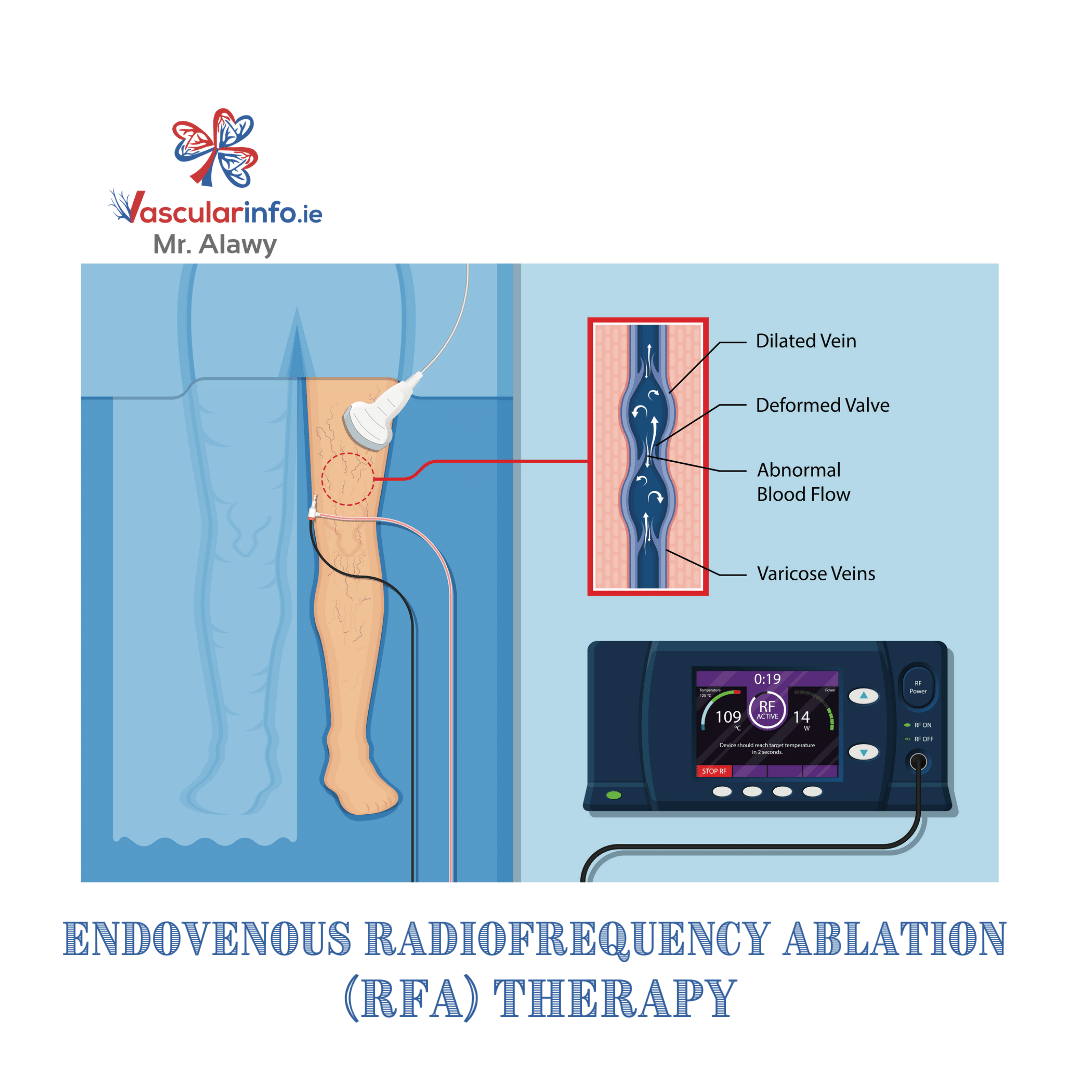
- ClosureFast Endovenous Radiofrequency Ablation (RFA) therapy
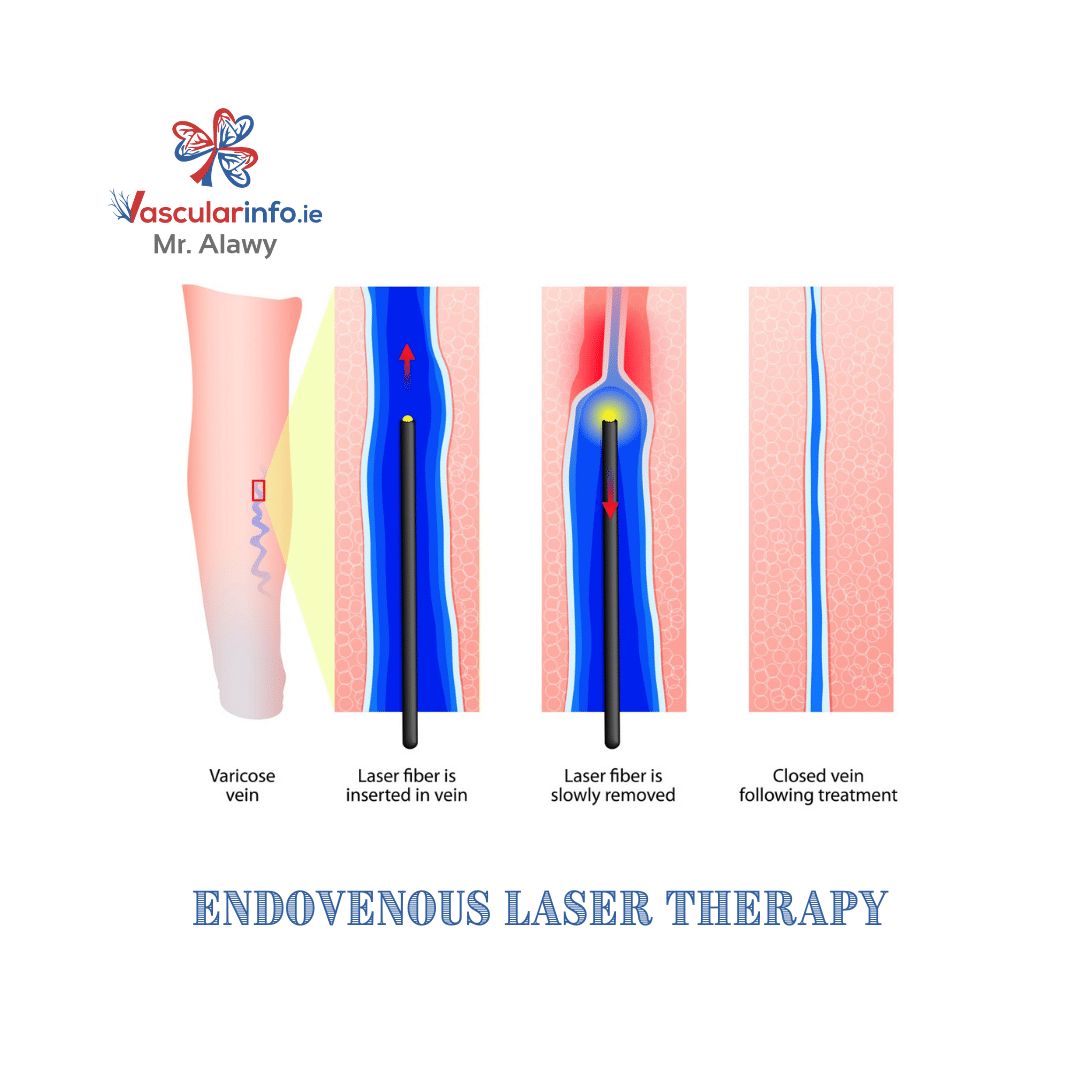
- Endovenous Laser Therapy
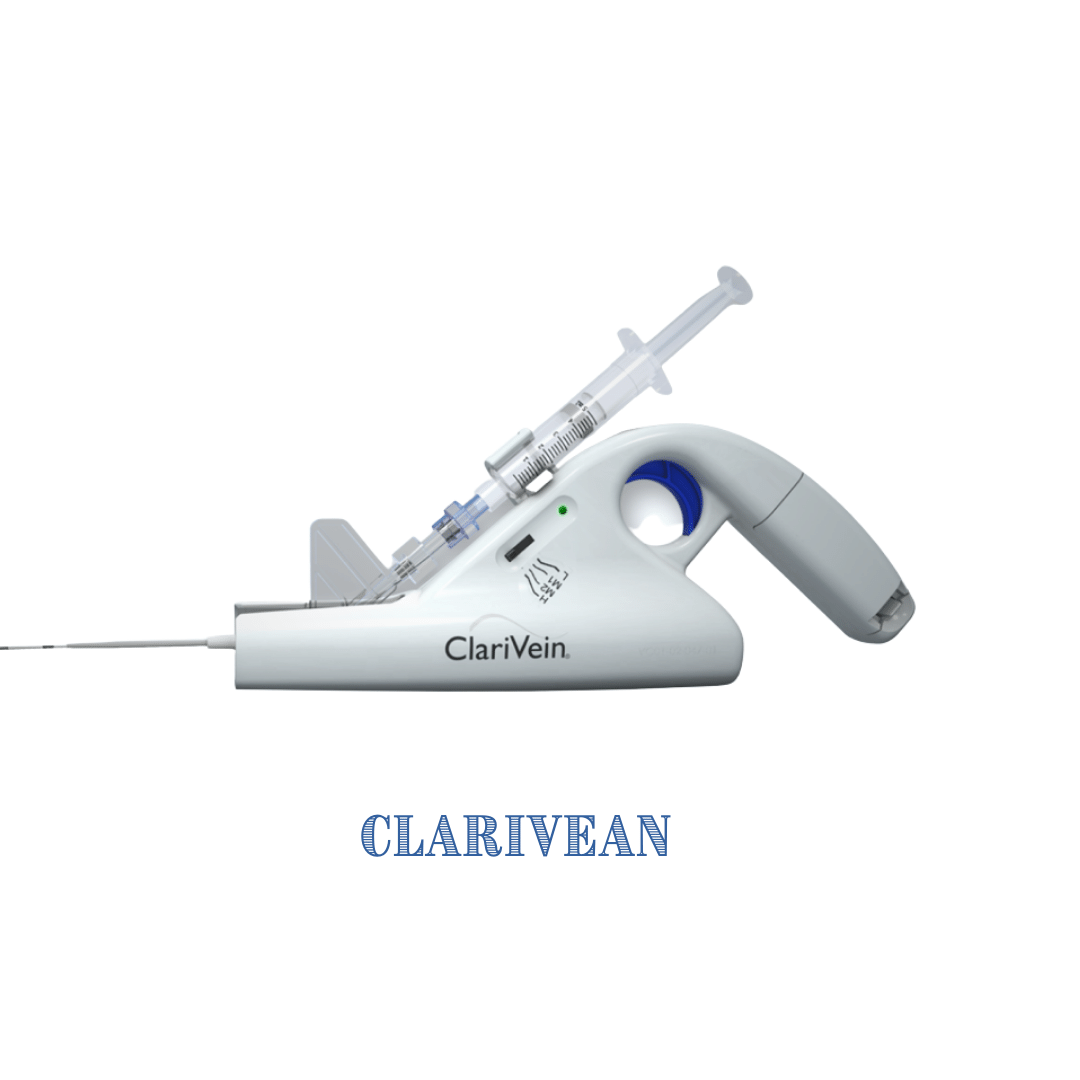
- Clarivean Procedure
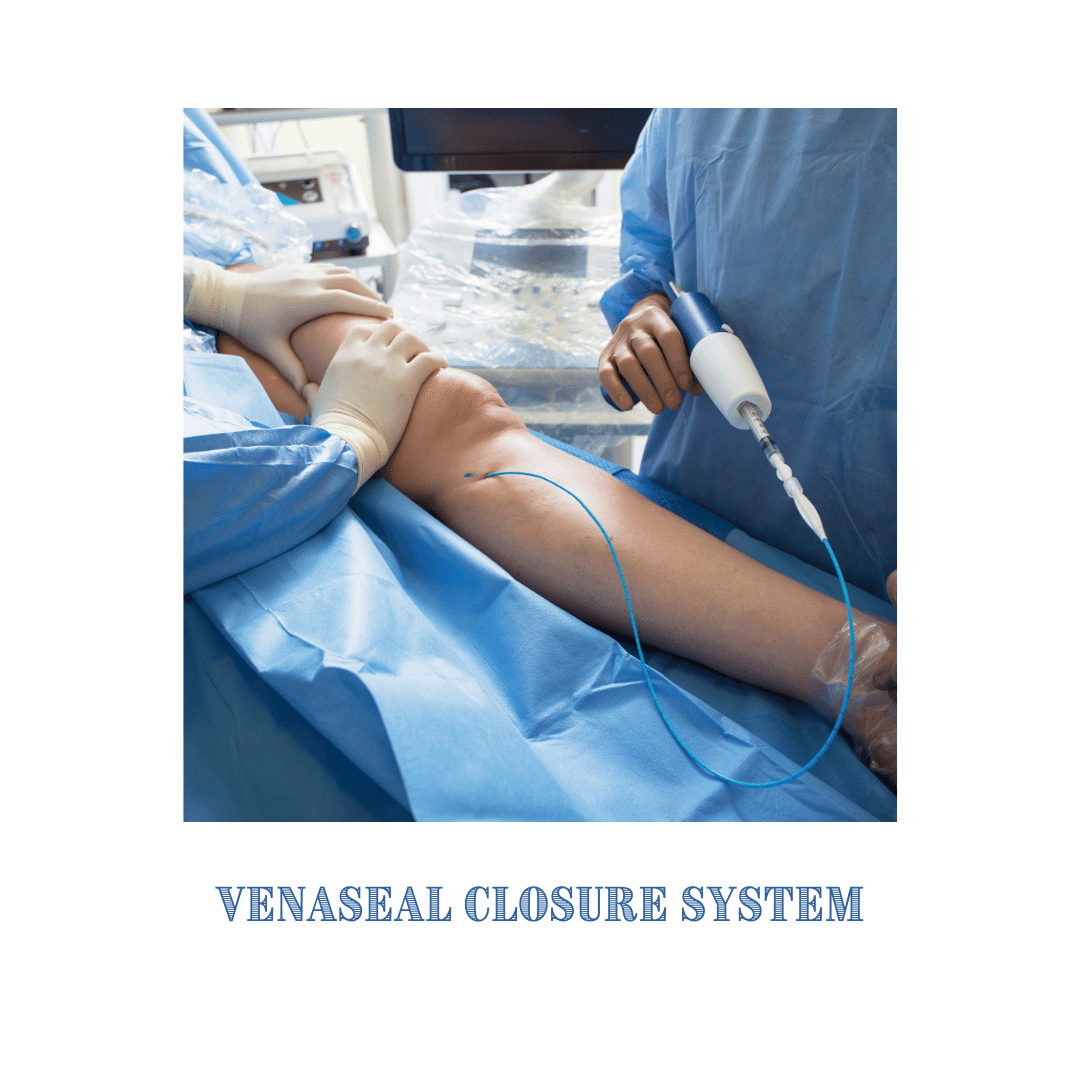
- Venaseal Closure System
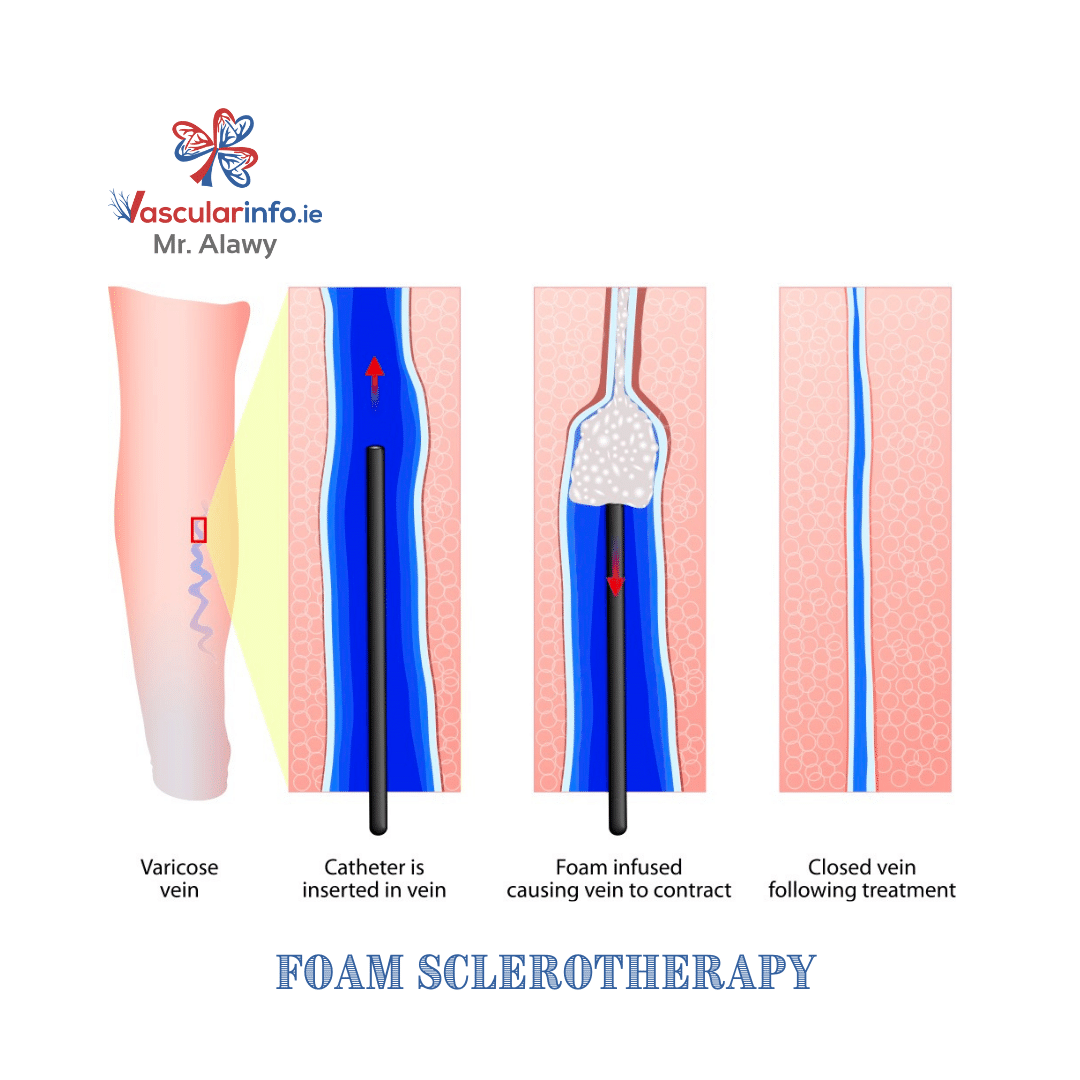
- Ultrasound-guided Foam Sclerotherapy
- Sclerotherapy
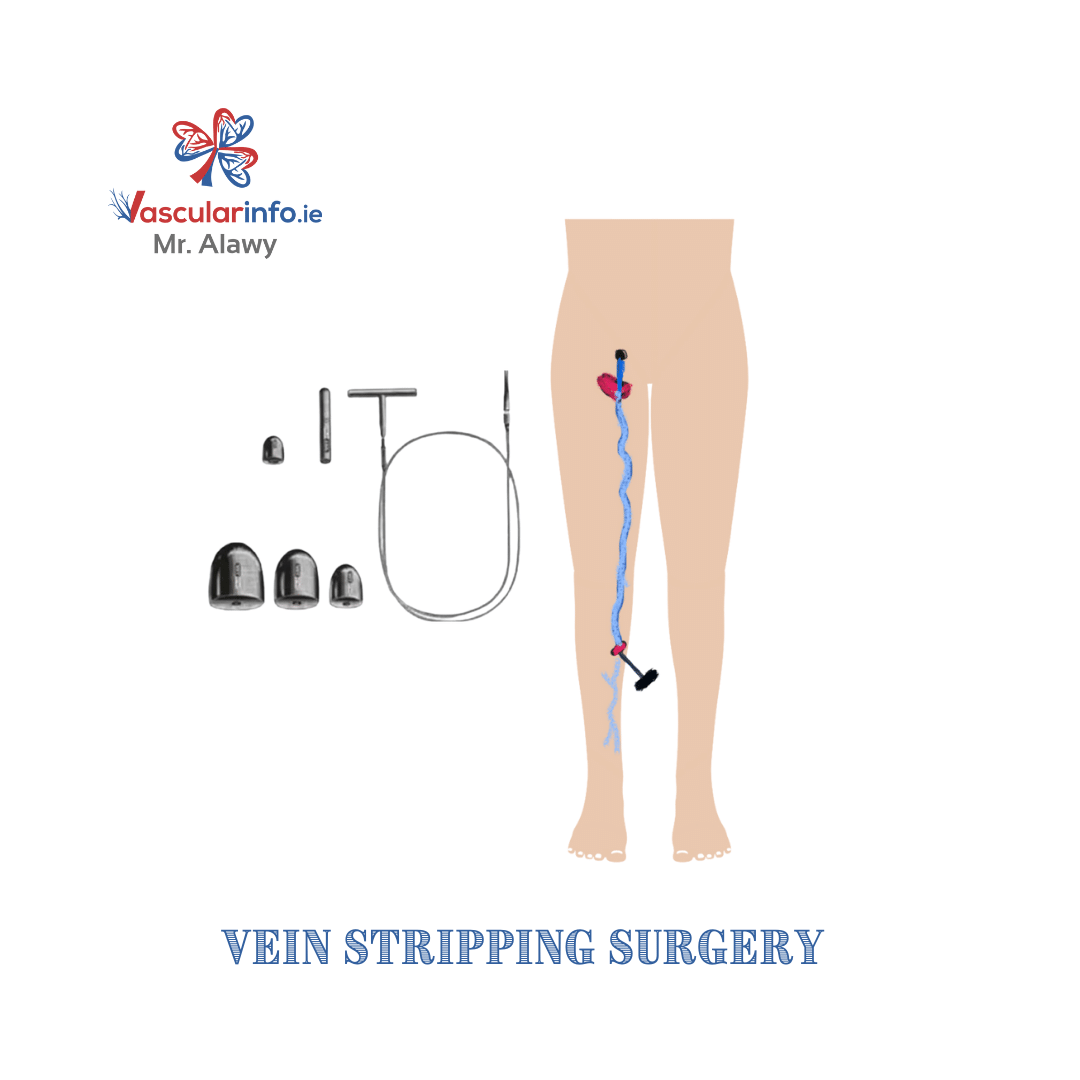
- Vein Stripping Surgery
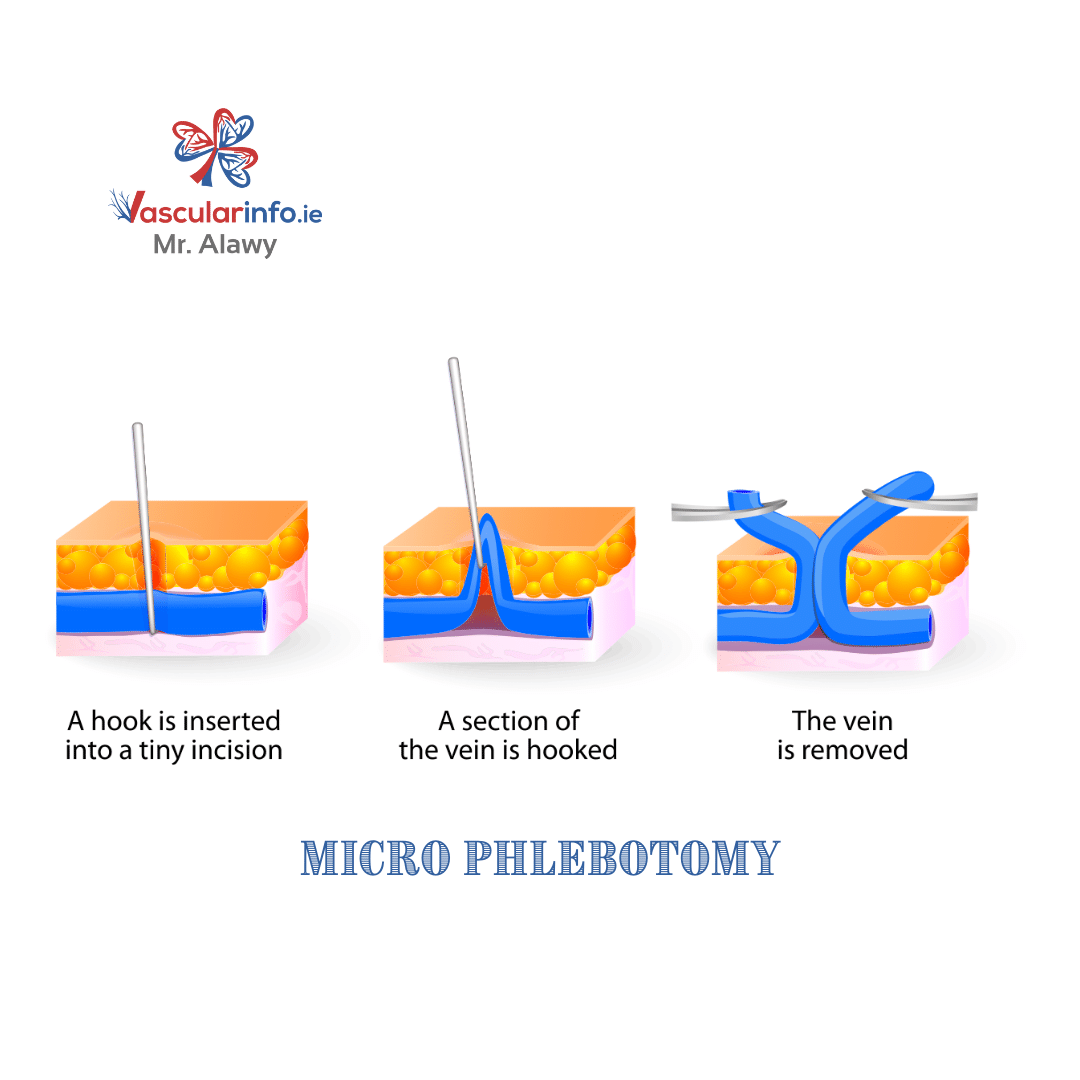
- Microphlebotomy
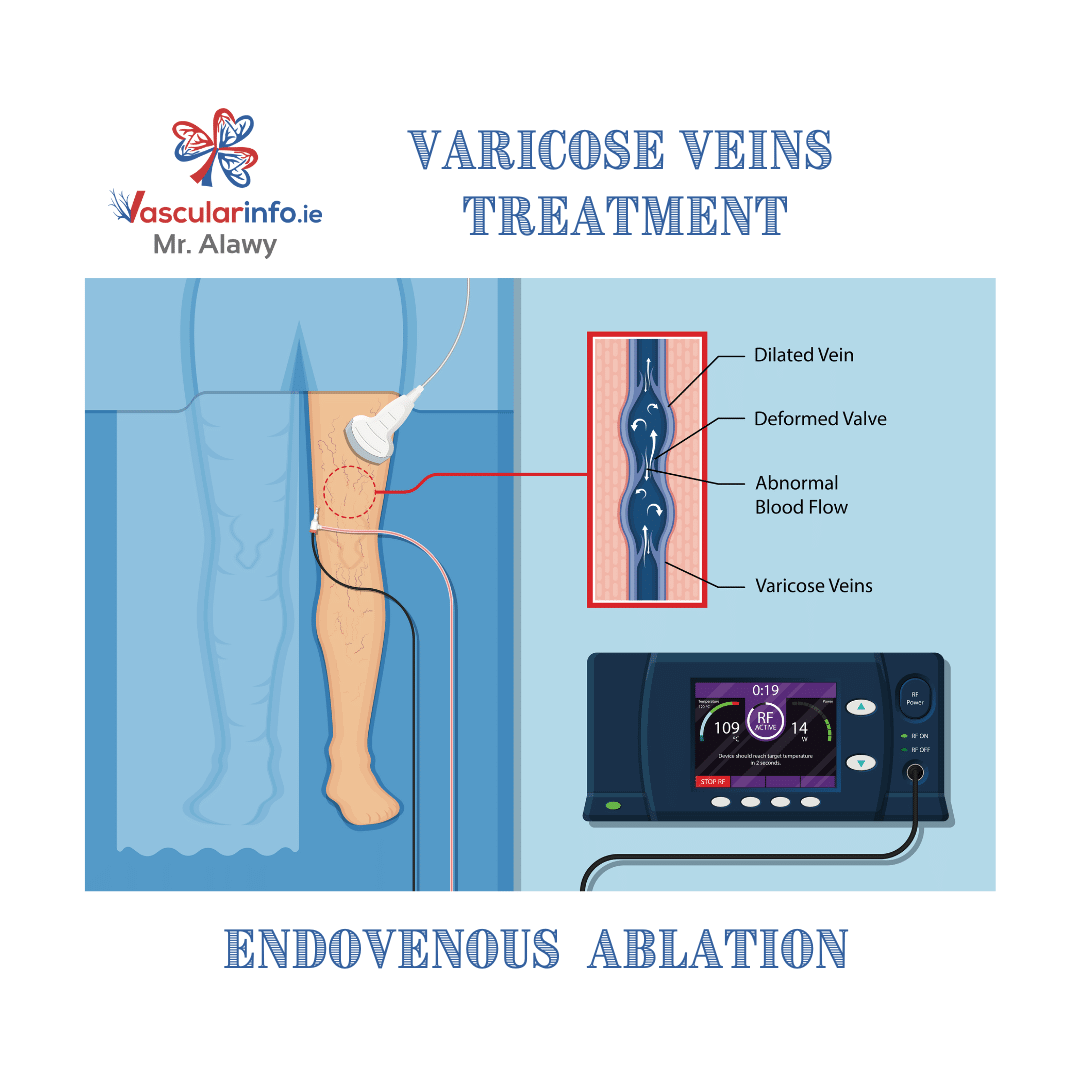
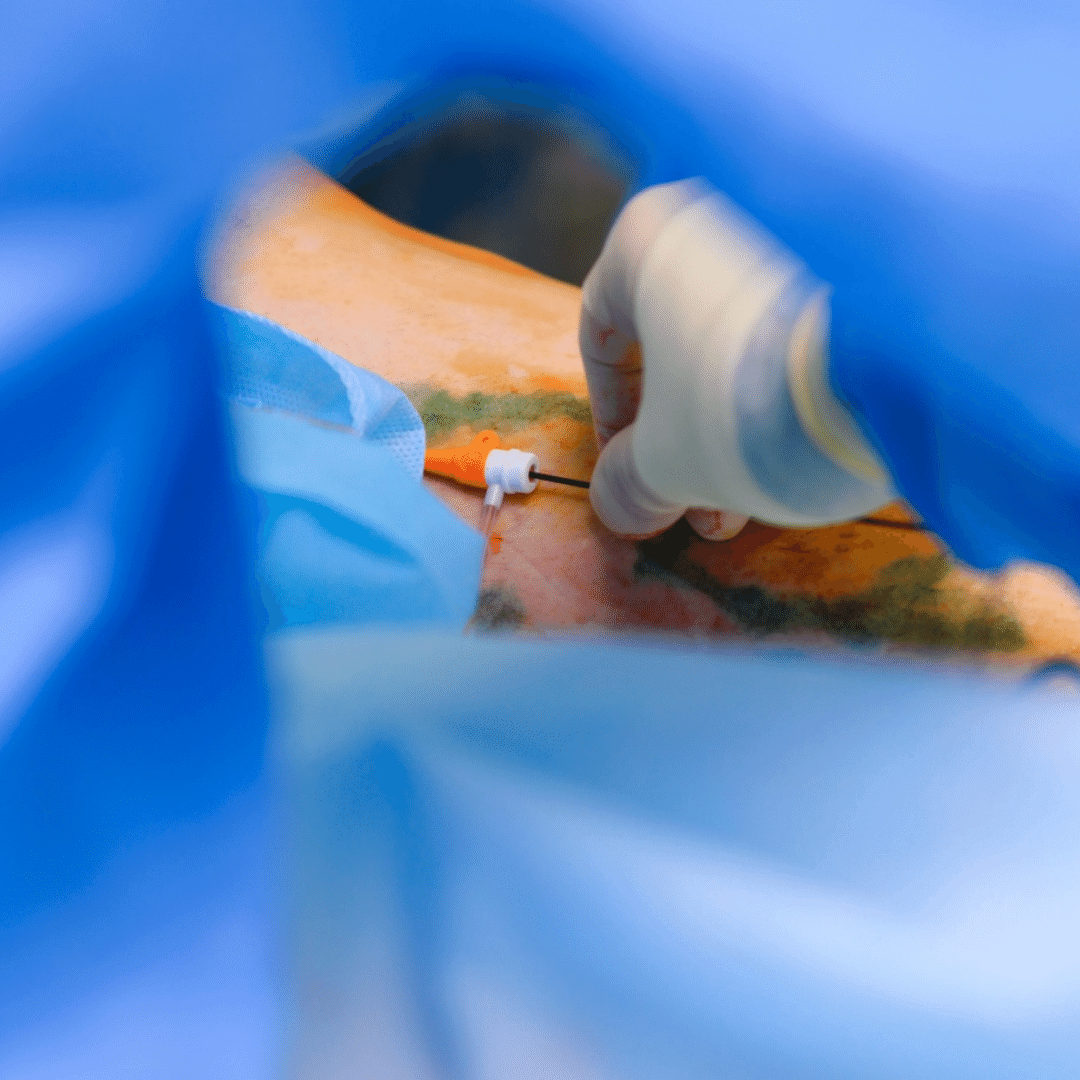
What Are The Benefits Of Minimally Invasive Vein Procedure Over Surgery
Treatments that are minimally invasive offer several benefits to individuals over open vein stripping surgeries. These include:
- Shorter recovery time
- It may be helpful in an outpatient setting, and there is no need to admit the patient overnight.
- No need for a general or spinal anaesthesia
- Stitches are generally not required
- Lower risks of complications
- Less painful for the patient
What Is The Difference Between Spider Veins And Reticular Veins?
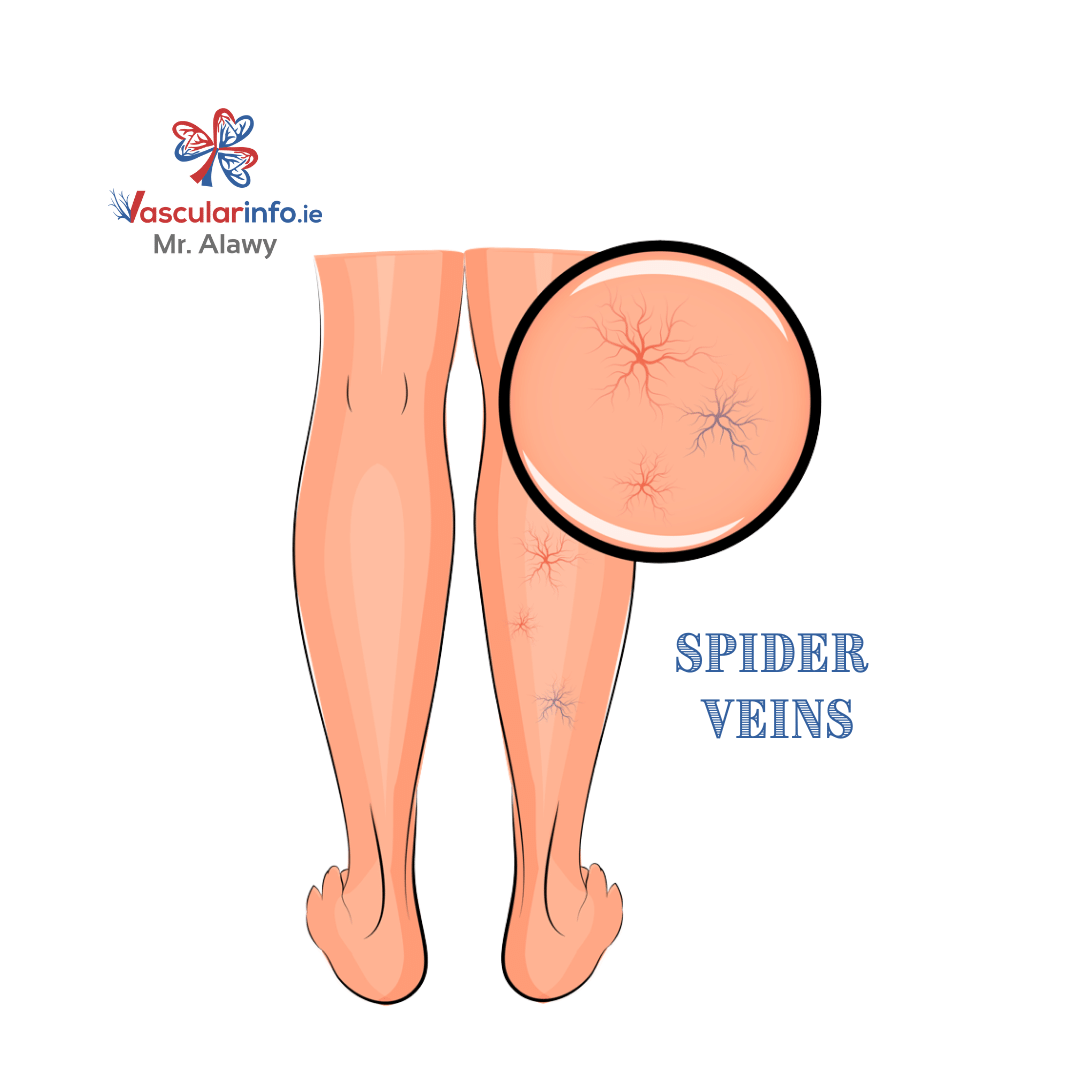
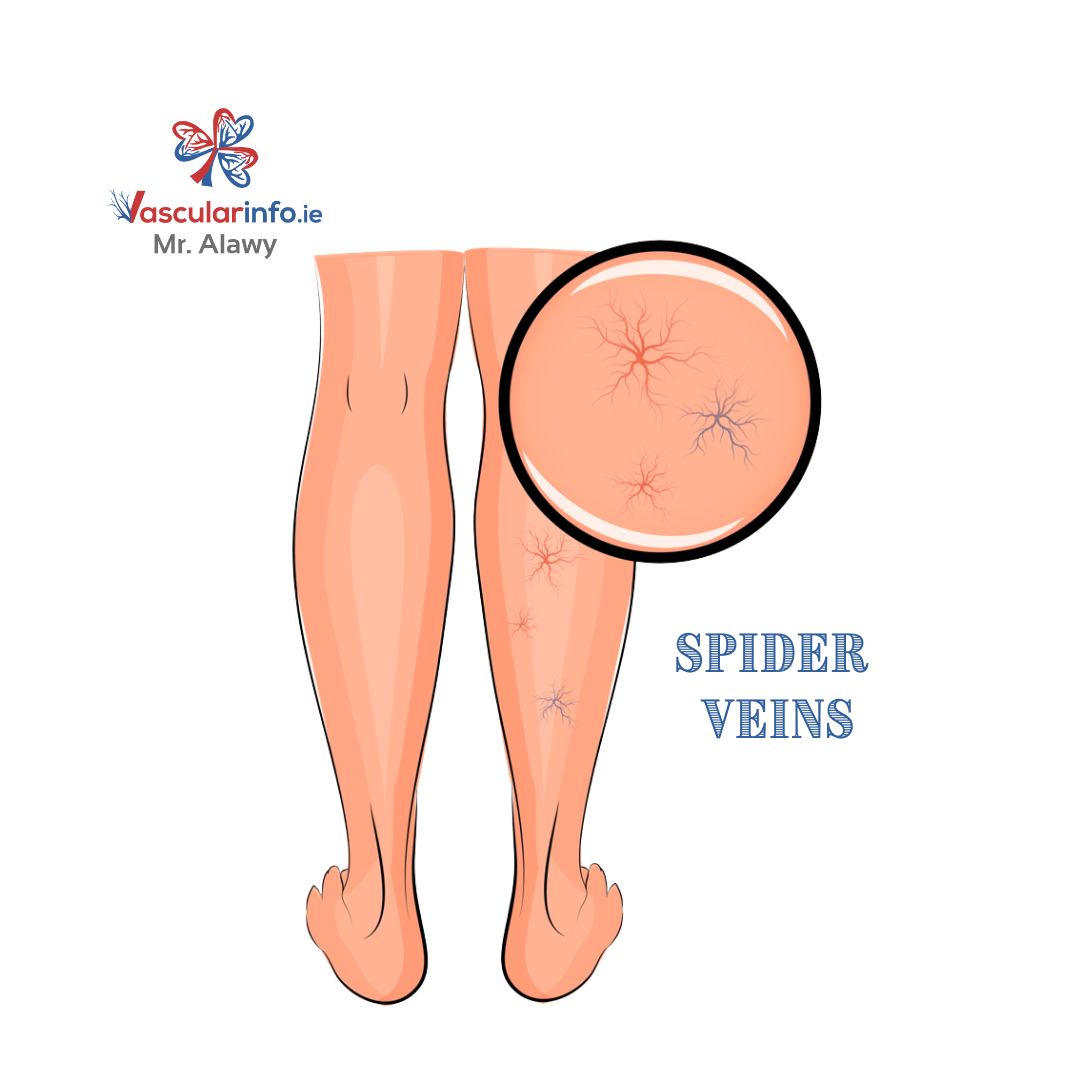
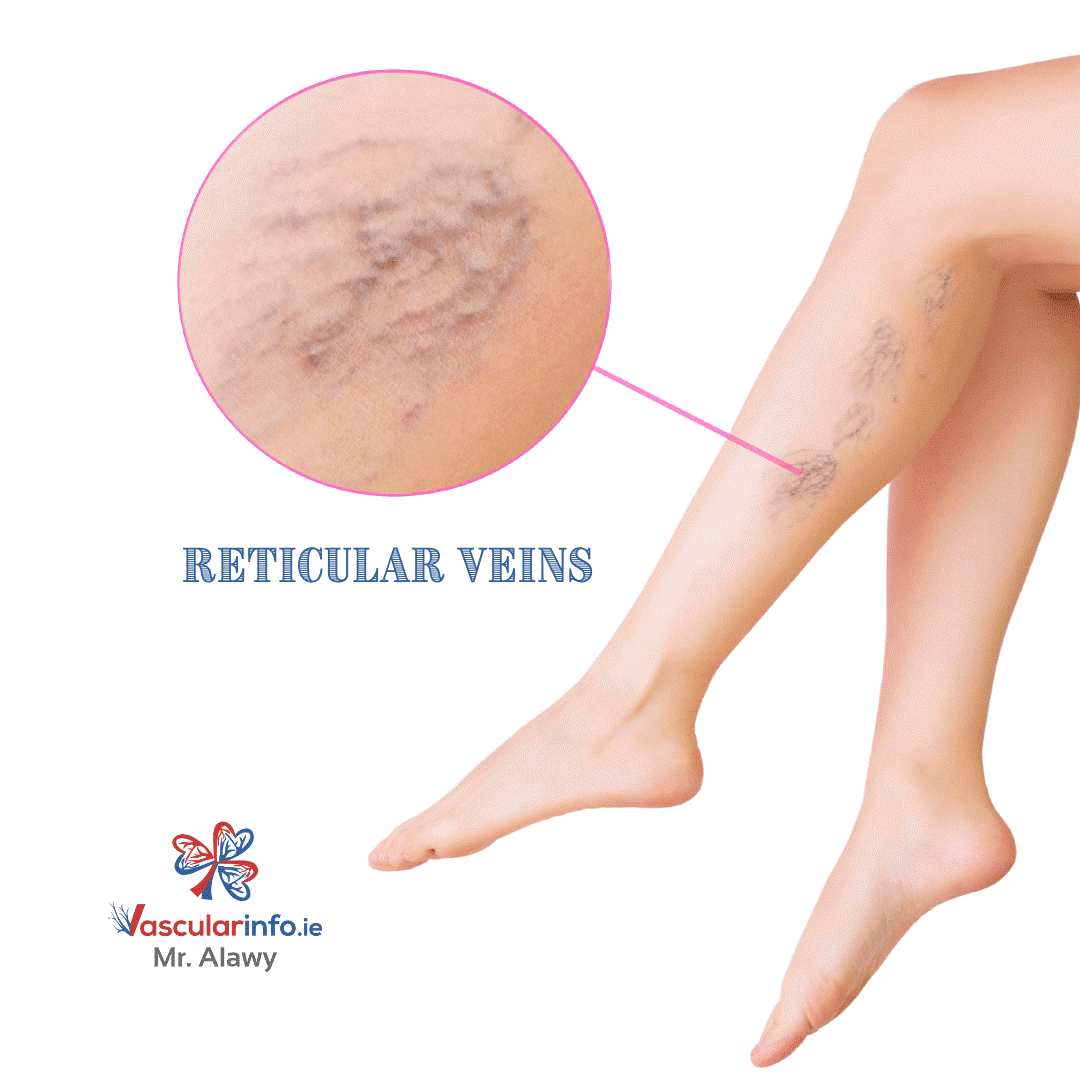
Spider veins, also known as Telangiectasias, are dilated superficial veins less than 1 mm in diameter. On the other hand, Reticular veins include vein dilation of about 3 mm.
Spider veins, unlike varicose veins, are not raised or bulging and thus are not as painful and considered aesthetic. However, these veins could be a sign of underlying vein disease or venous insufficiency in some cases. On the other hand, retinal veins are much larger than spider veins. Therefore, they may cause itching, burning, and general discomfort for the patient.
- Aching & Tired Legs
- Swelling around the ankles
- Itchiness and Dryness of skin on the legs
- A tingling sensation
- Inability to stand for long periods
- Pain and swelling in the leg after walking
- Non-healing wounds on the legs
WHAT IS CHRONIC VENOUS INSUFFICIENCY?
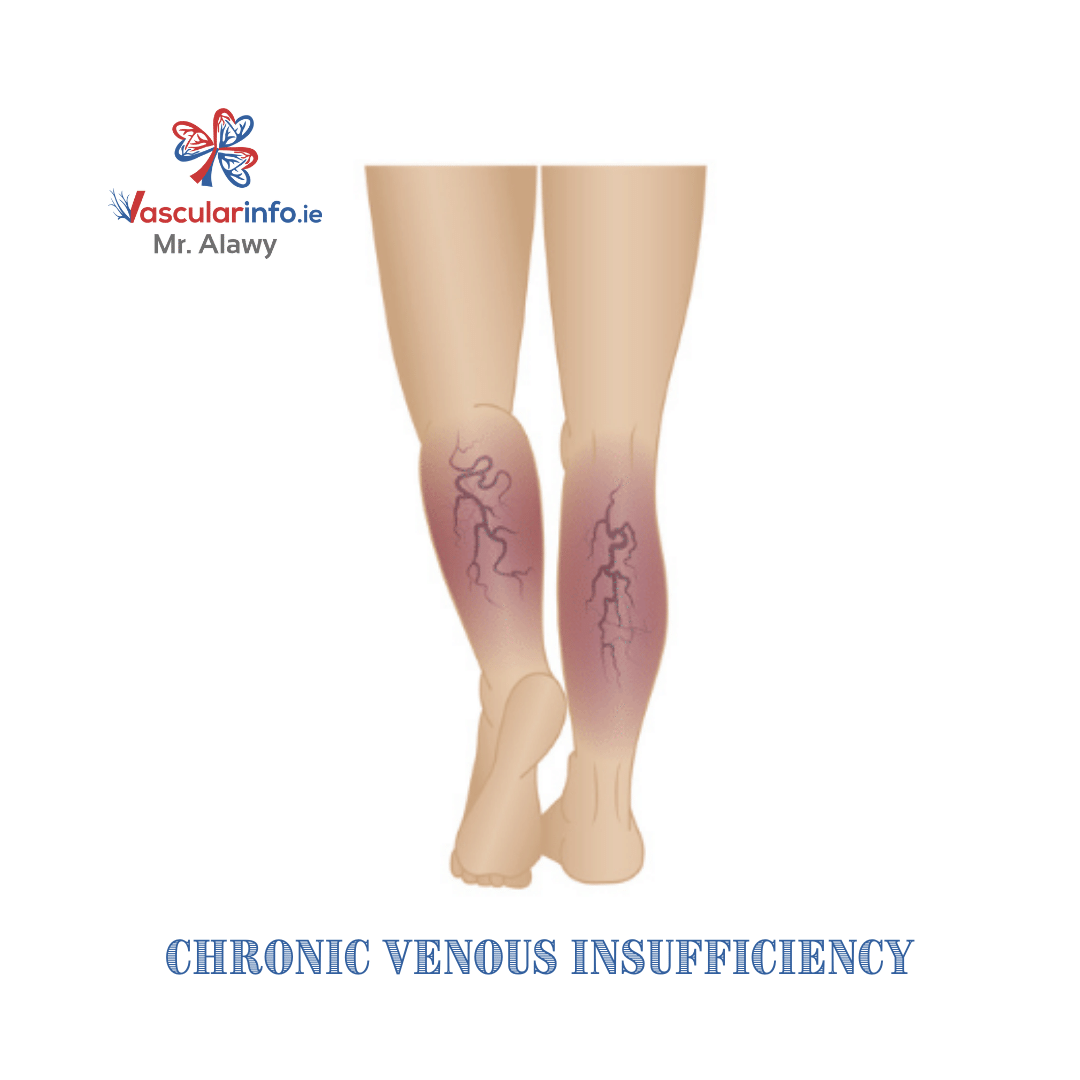
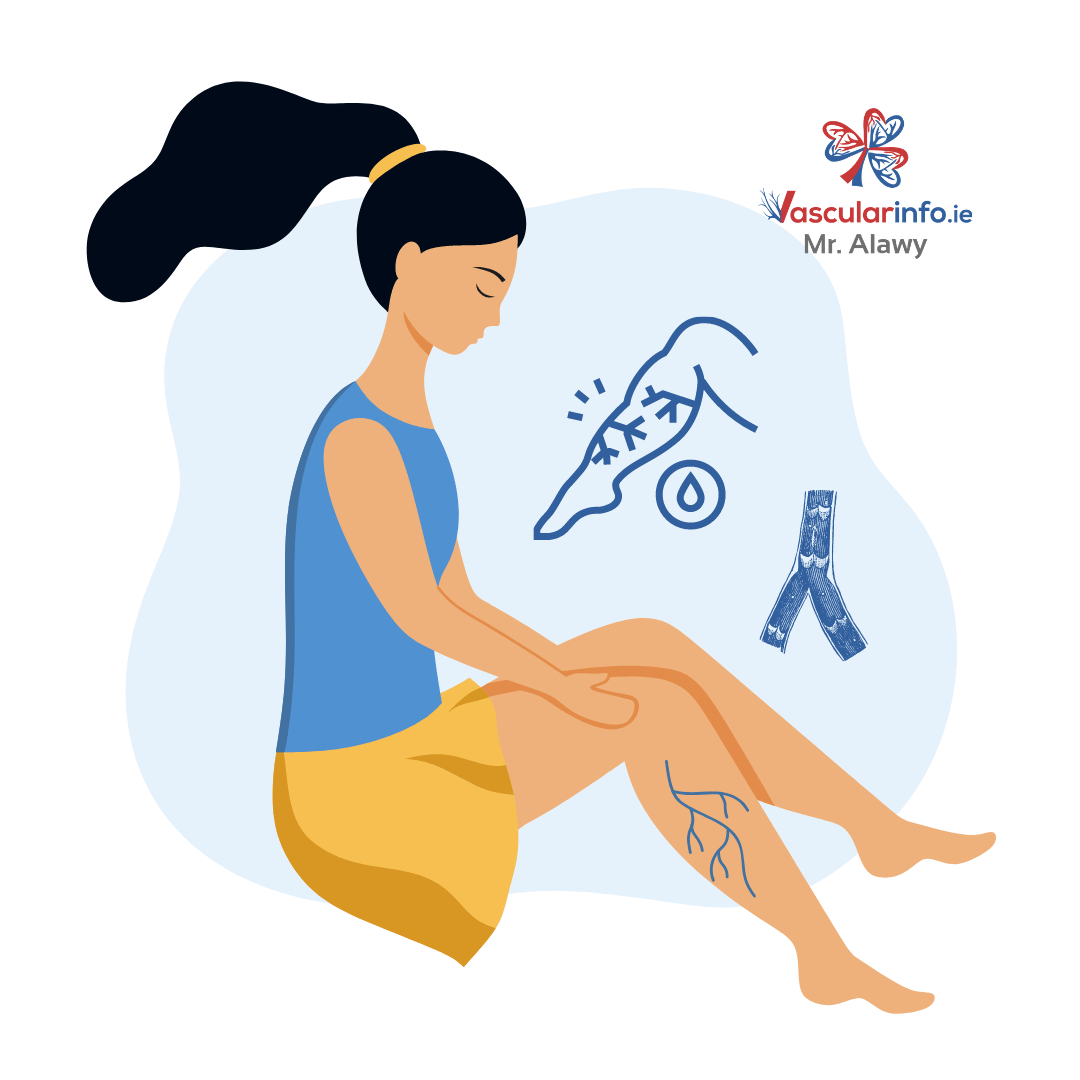
Chronic venous insufficiency occurs due to the ineffective working of venous walls and valves. It leads to blood pooling inside the veins and difficulty returning to the heart from the legs, also known as venous stasis.
Individuals who have been diagnosed with Chronic Venous Insufficiency may experience symptoms like:
- Aching & Tired Legs
- Swelling around the ankles
- Itchiness and Dryness of skin on the legs
- A tingling sensation
- Inability to stand for long periods
- Pain and swelling in the leg after walking
- Non-healing wounds on the legs
What Causes Chronic Venous Insufficiency?
The veins must be able to take the blood upwards from the legs against gravity. Contraction of the leg muscles facilitates the upward movement of blood. Moreover, another feature that allows the veins to pump blood against gravity is the presence of one-way valves. These will enable the blood to move in one direction only and help block the backward flow of blood.
These valves may be damaged for several reasons, including reduced mobility, ageing, sitting, or standing for long periods. Hence, the blood cannot flow back to the heart due to damaged vein walls and valves. The pooled blood and increased blood pressure inside the veins over a long time eventually lead to Chronic Venous Insufficiency.
This condition may also be secondary to the presence of a blood clot in the deep veins of the legs – a condition known as Deep Venous Thrombosis. This type of Chronic Venous Insufficiency is also known as Post Thrombotic Syndrome. It may also result from tumours in the pelvic region and other vascular disorders.
What Are Venous Ulcers?
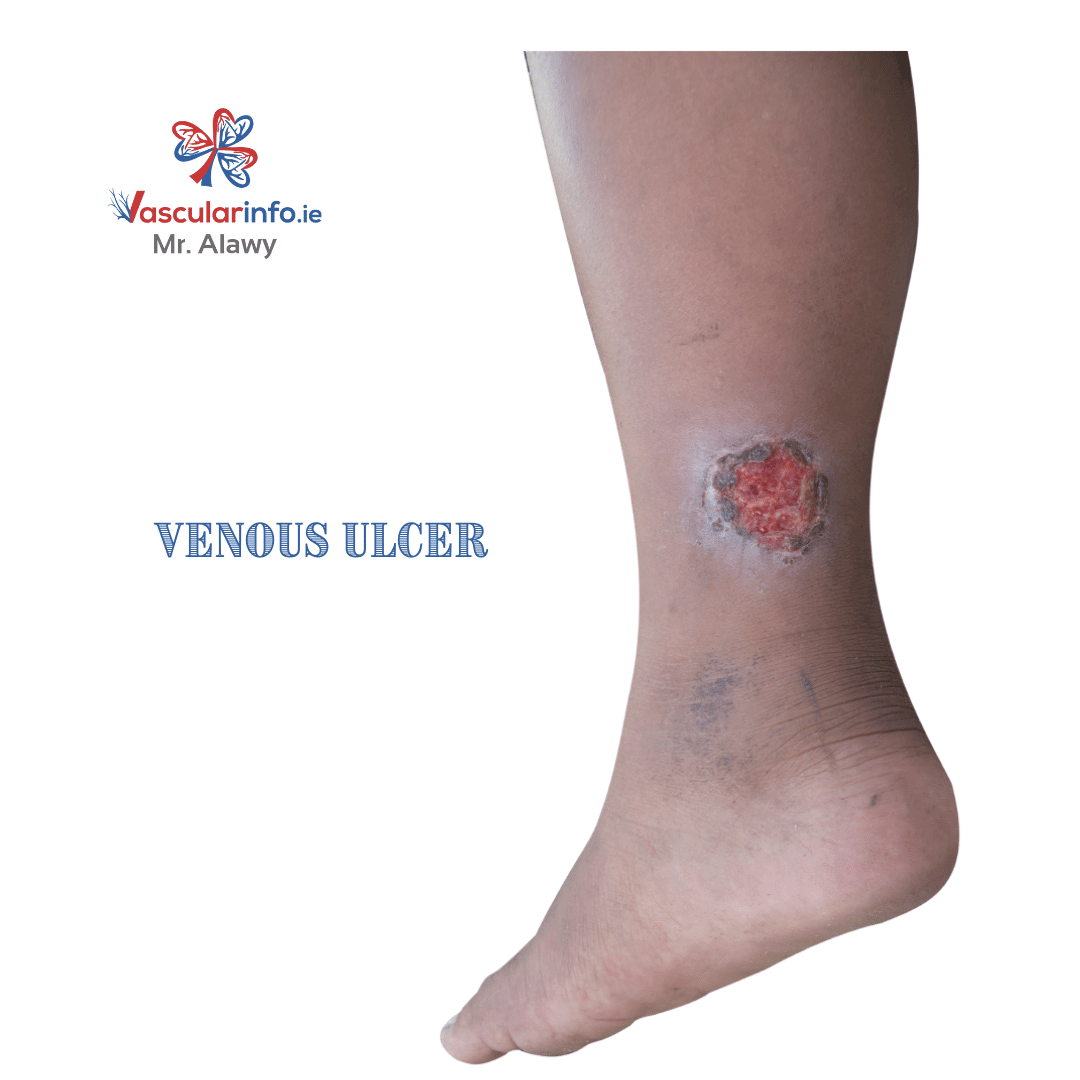
A venous ulcer is a skin breakdown secondary to a diseased vein in the leg. This breakdown of the skin results in the formation of a painful sore or an ulcer. It is an open sore on the leg that interferes with the individual’s everyday life.

WHAT CAUSES VENOUS ULCERS?
Although venous ulcers may develop anywhere on the leg, they are most often present on the inner side of the leg, particularly above the level of the ankle. It is the job of the veins to carry blood from the legs to the heart. However, this flow of blood may be interrupted when either the walls or valves of the veins get damaged. This damage and stasis of blood flow in the veins lead to increased pressure and reduced blood flow to the surrounding tissues. Then fluid starts leaking through the veins, leading to gradual swelling in the leg and ulcer formation.
What Are The Symptoms Of Venous Ulcers?
- The main symptoms encountered by individuals who have venous ulcers may include:
- Dryness or itchiness of the legs
- Hardening of the surrounding skin of the ulcer
- Feeling of heaviness in the legs
- Swelling of the legs
- Visibly enlarged veins in the legs
- Red, Brown, or purple discolouration of the legs
- Swelling around the ankles
- Smelly Discharge from the venous ulcer
- Significant leg pain if the ulcer gets infected
What Are The Risk Factors For Venous Ulcers?
- The risk factors that may increase an individual's chances of being diagnosed with a venous ulcer include:
- Previous history of blood clotting
- Varicose veins for log time without treatment
- Varicose veins for log time without treatment
- Family history of venous ulcers or blood clotting disorders
- Lack of exercise and sedentary lifestyle
- Smoking cigarettes
- Being overweight
- Diagnosis of diabetes
What Is The Recommended Treatment For Venous Ulcers?
Leg ulcers indicate an underlying medical condition, and you should consult with your GP.
Treatment may include:
- Elevation of the legs
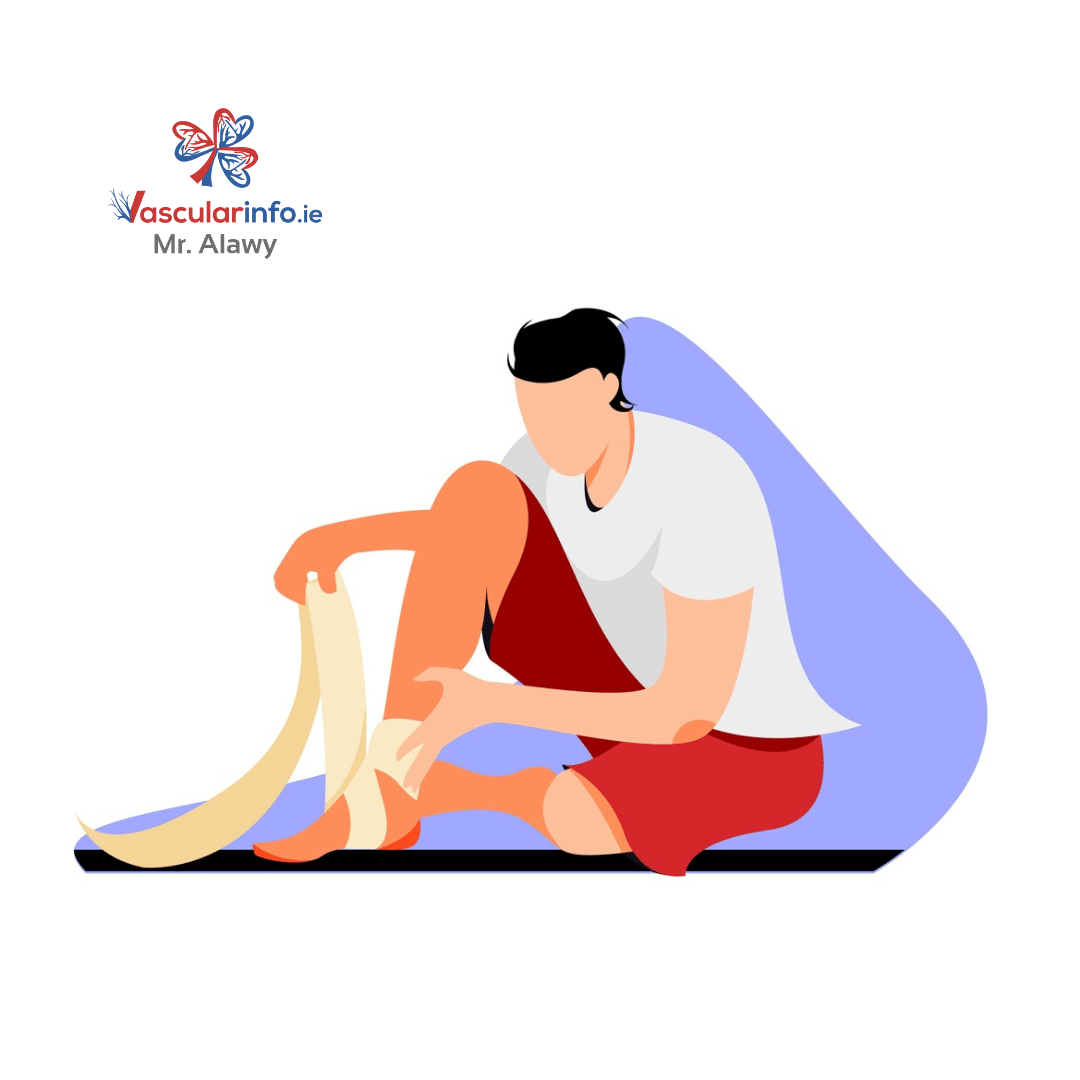
- Sanitary and appropriate dressing of the ulcer by your public health nurse (PHN)
- Treatment of underlying causes such as varicose veins, venous disease or if any associated arterial disease.
What Is Thrombophlebitis?
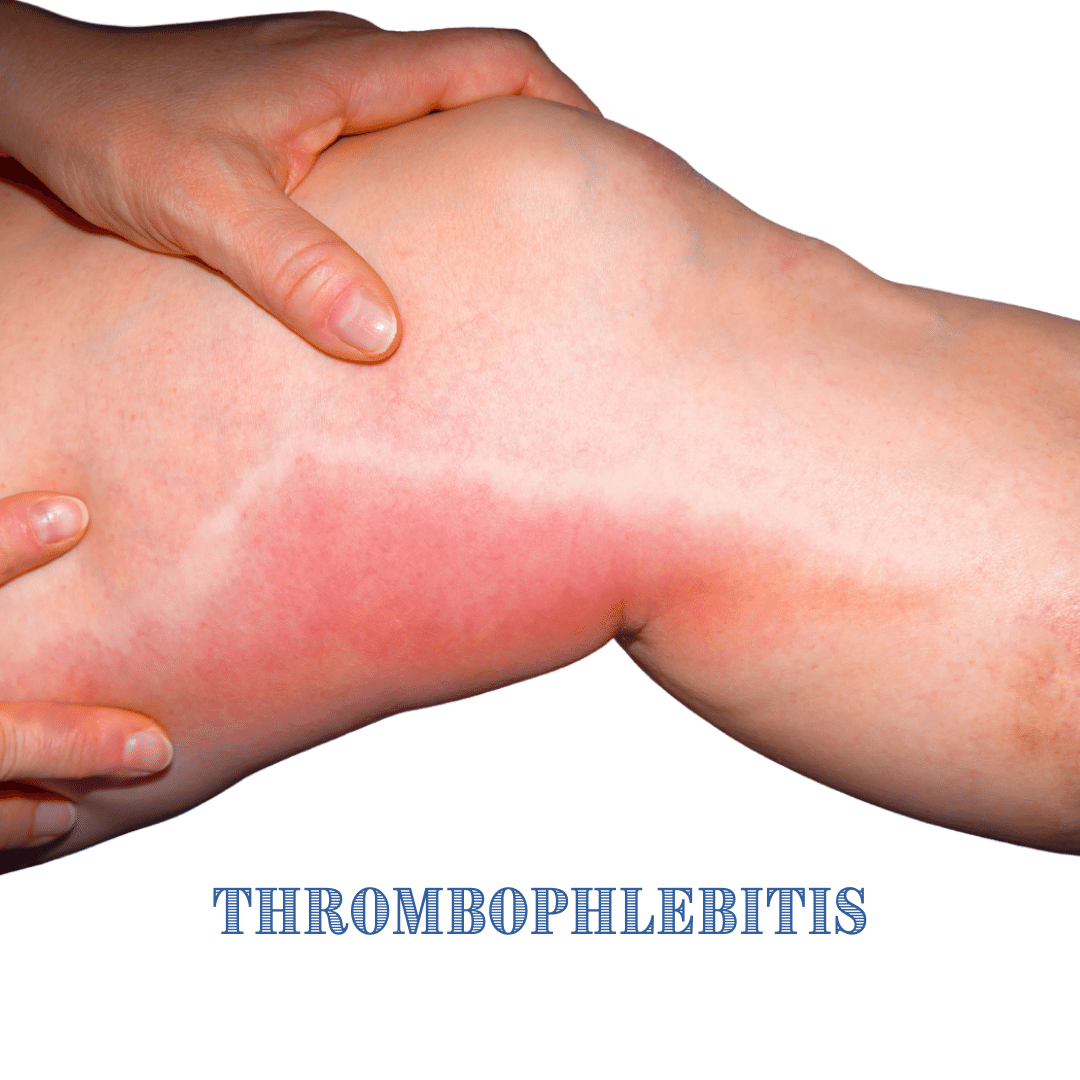
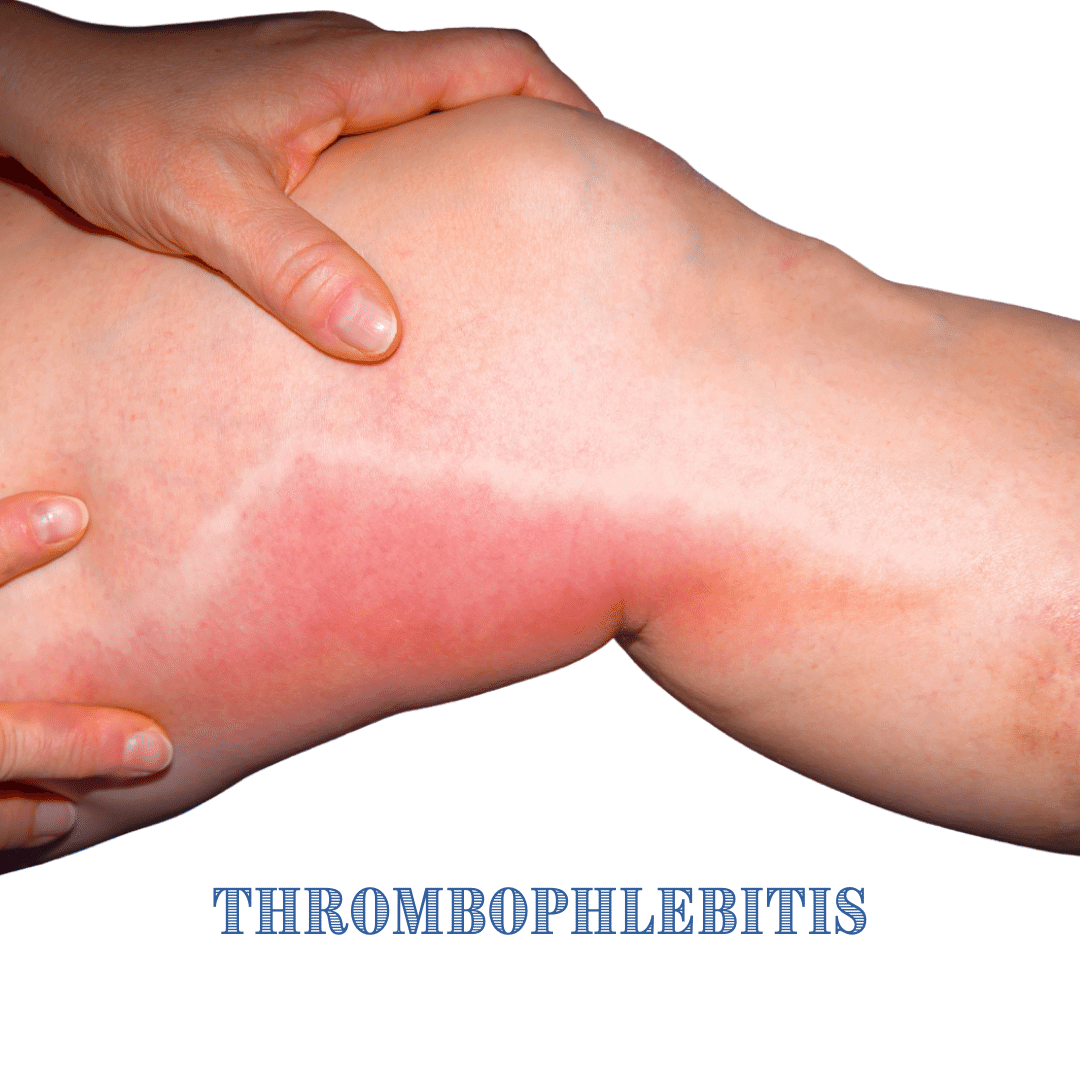
It is an acute complication of varicose veins that may include the formation of blood clots in the dilated superficial veins of the legs. These have the rare potential to break off from their site of origin and travel to other areas. This clot formation leads to blockage of blood flow, which may cause swelling and pain along the course of the vein. This pain may either be mild to moderate or may progress to become severe. However, the pain eventually attenuates after 1 or 2 weeks, after which the affected person may feel hard clots inside the veins.
What Are The Symptoms Of Superficial Thrombophlebitis?
- The most common symptoms of superficial thrombophlebitis include:
- Redness and inflammation around the affected vein
- High temperature on the skin over the surrounding tissue
- Pain and tenderness on touch
- Hyperpigmentation of the skin of the affected area
- Hardening of the affected vessel
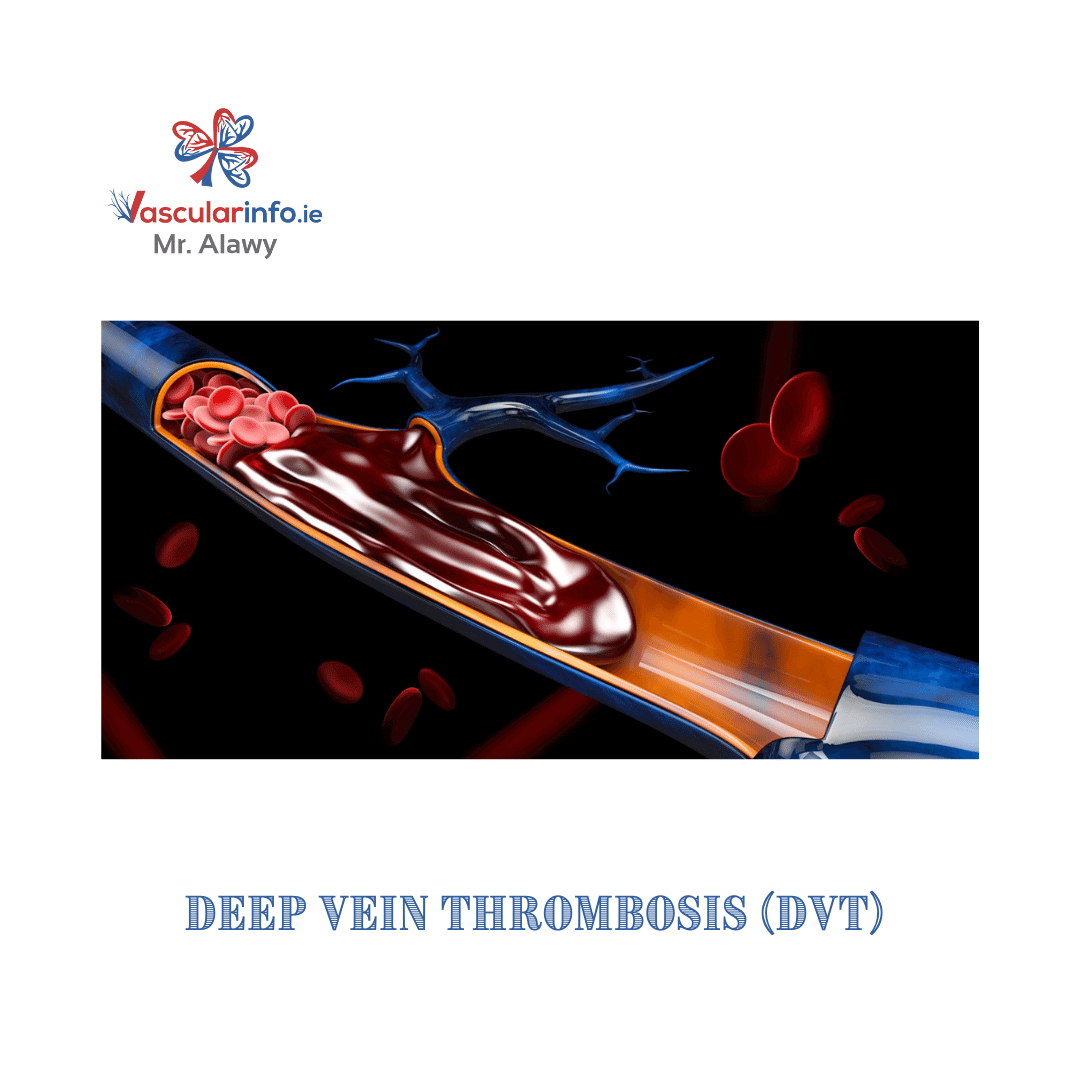
What Is Deep Vein Thrombosis (DVT)?
As mentioned earlier, deep vein thrombosis (DVT) results from the formation of clots in the deeper venous system. It is a grave medical condition and may be life-threatening. DVT may also be associated with pain, swelling, cramping, tenderness, and even discolouration in the affected area. However, some individuals may present with no symptoms at all. The formation of blood clots occurs due to eventual blood thickening and clumping. It can affect veins in the calf, upper leg, groin, or even the arms.
Should Deep Vein Thrombosis Be Left Untreated?
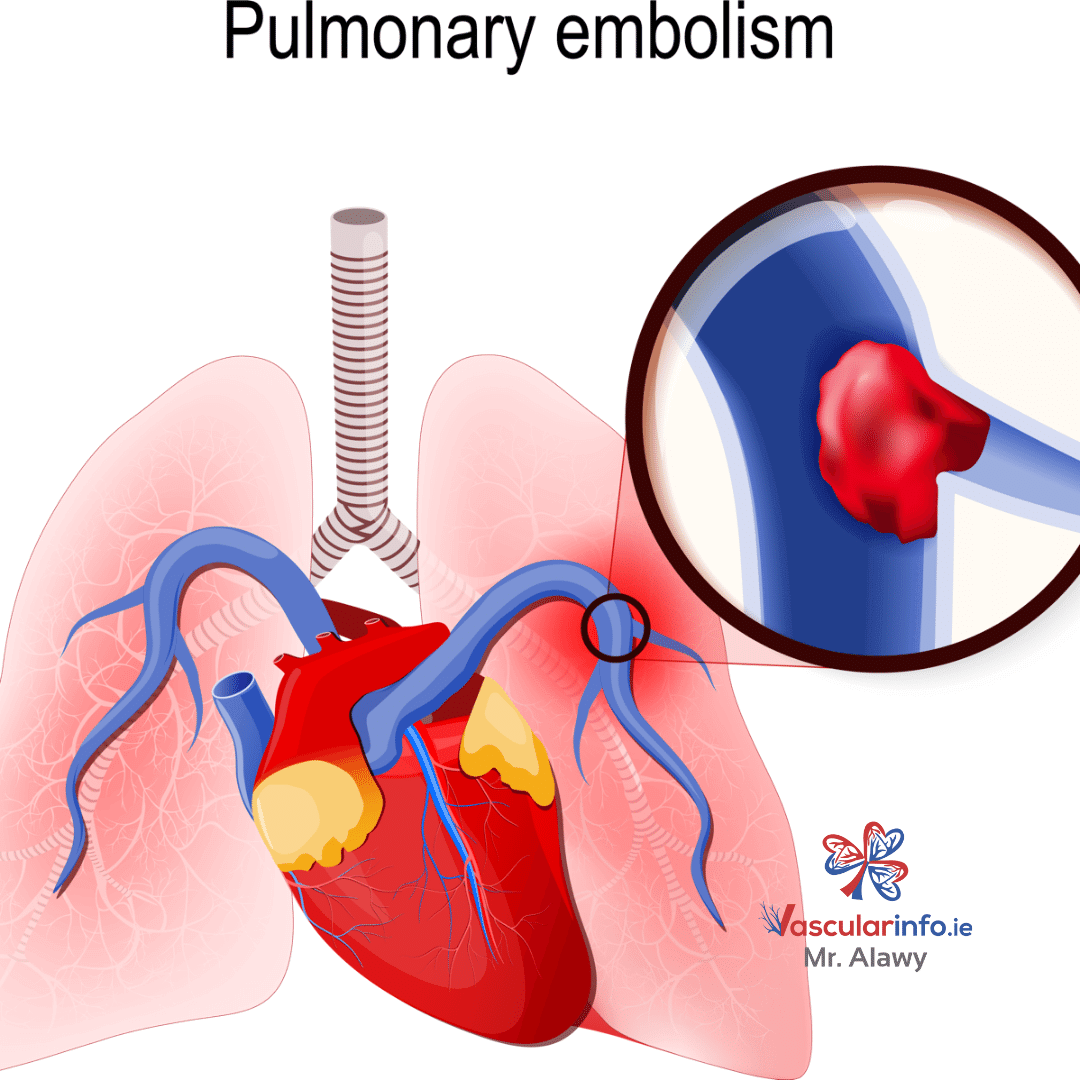
Deep venous thrombosis should not go untreated as the blood clot formed in this region can detach and travel to other areas in the circulatory system. An example is the blockage of the blood supply to the lungs, known as Pulmonary Embolism.
What Are The Common Symptoms Of Deep Venous Thrombosis?
- Swelling in one or both the legs
- Redness of the skin
- Cramping and pain
What Are The Risk Factors For Deep Venous Thrombosis?
Deep Venous Thrombosis occurs at any age for many reasons that may cause stasis of blood and prevent it from flowing through the body properly. However, the common risk factors include:
- Prolonged duration of bed rests secondary to an injury or recent surgery.
- An individual with a family history of deep venous thrombosis
- Diagnosis of a blood clotting disorder
- Certain cancers like breast, ovarian and pancreatic cancer can put an individual at a greater risk for clotting disorders.
- Overweight and Obese Individuals are at higher risk.
What Are The Complications Of Deep Venous Thrombosis?
Even though Deep Venous Thrombosis is treatable and preventable in most cases, it may lead to complications. Blood clots formed in the deep veins may break loose from their attachments and travel to other sites in the body, disrupting their blood flow.
A life-threatening complication caused by Deep Venous Thrombosis is Pulmonary Embolism when the blood clot travels through the bloodstream to the lungs and disrupts its blood supply.
Another long-term complication of Deep Venous Thrombosis is Post Thrombotic Syndrome. It results from damage to the vein valves caused by the formation of a blood clot. It may cause chronic pain, swelling, discolouration, or leg ulcers.
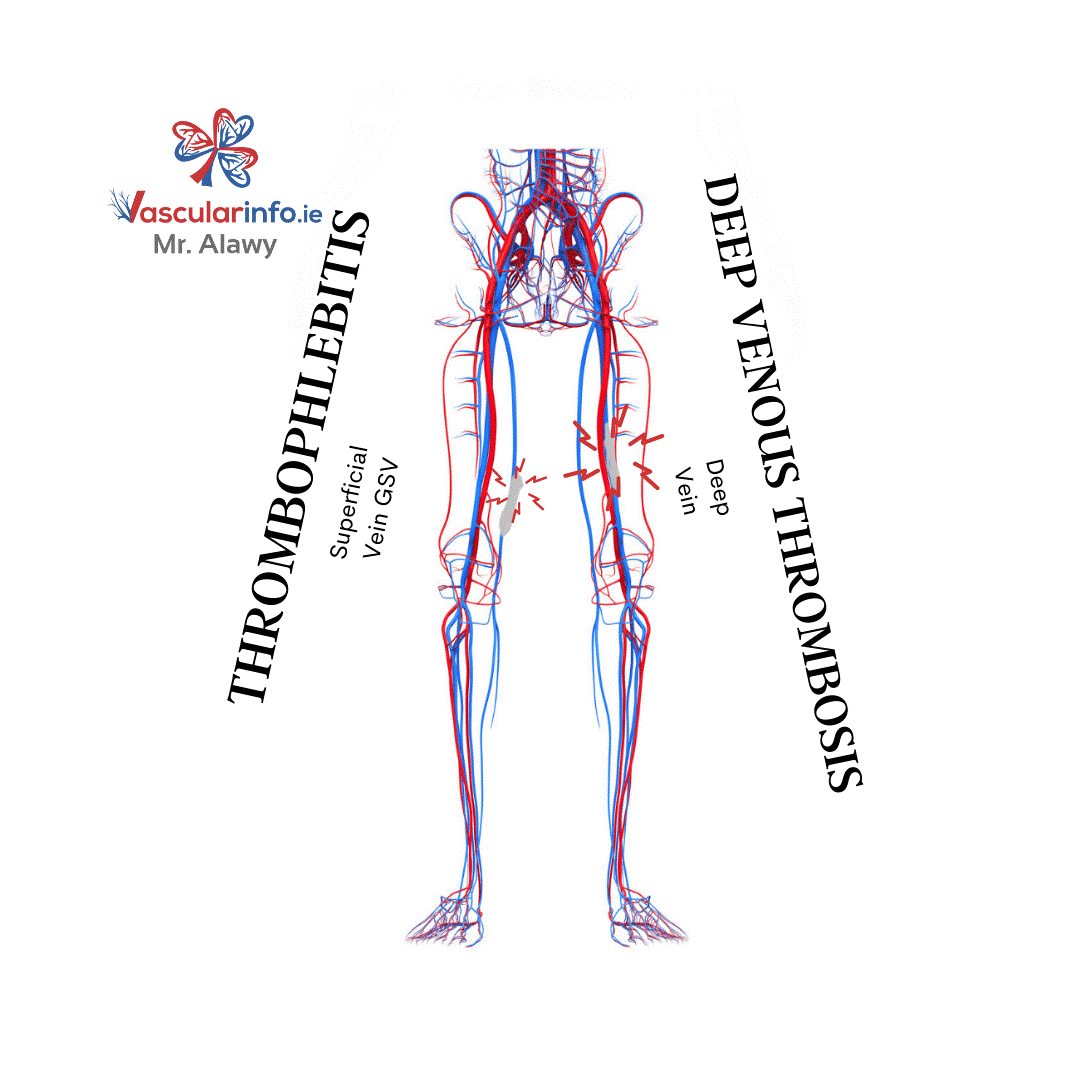
WHAT IS THE DIFFERENCE BETWEEN DEEP VENOUS THROMBOSIS AND THROMBOPHLEBITIS?
DVT occurs in the deeper veins in the legs. In contrast, superficial thrombophlebitis occurs in the veins closer to the skin surface. Moreover, individuals with deep venous thrombosis are at a greater risk for life-threatening conditions like pulmonary Embolism due to dislodgment of the blood clot.
FAQS About Varicose Veins
Can Varicose Veins Be Caused By Running?
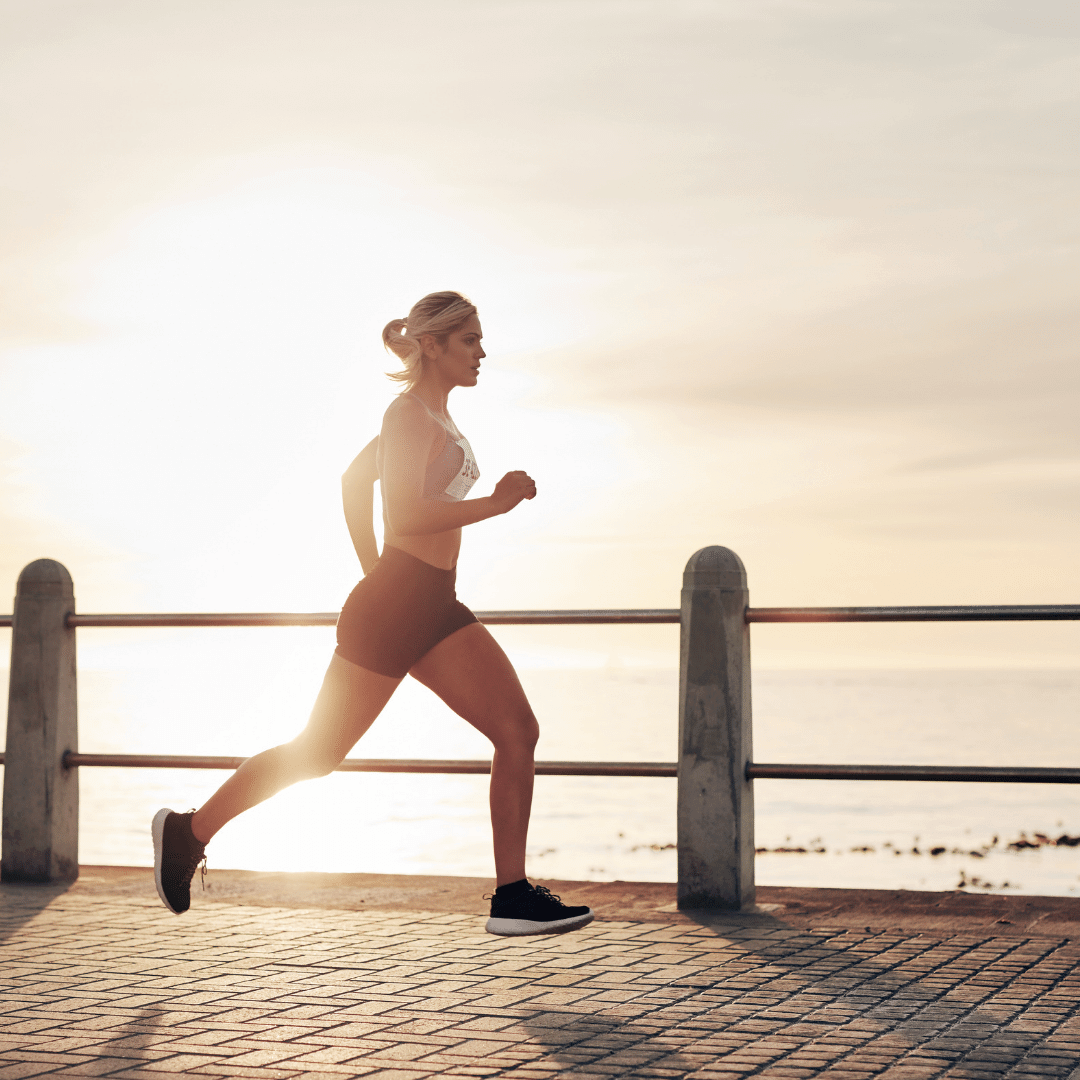
Regular running does not cause varicose veins. This condition results from blood stasis or the inability of blood to go back from the legs to the heart. Since running is an exercise that involves the active contraction of the leg muscles, it may help improve the condition instead of causing it.
What Can Help With Varicose Vein Prevention If Your Job Requires Long Periods Of Sitting Or Standing?
Prolonged standing is an accelerating factor for varicose veins. You can, however, reduce the risk with gentle movements, such as performing regular ankle rotations and taking time to stretch and walk can reduce your risk. Individuals may also benefit from reducing their consumption of saturated fats and quitting smoking.


WHAT LIFESTYLE CHANGES CAN HELP MANAGE VEIN DISEASES?
There are several ways you can encourage better blood flow in your veins. Here are a few recommendations to reduce the symptoms and causes of vein disease in the legs:
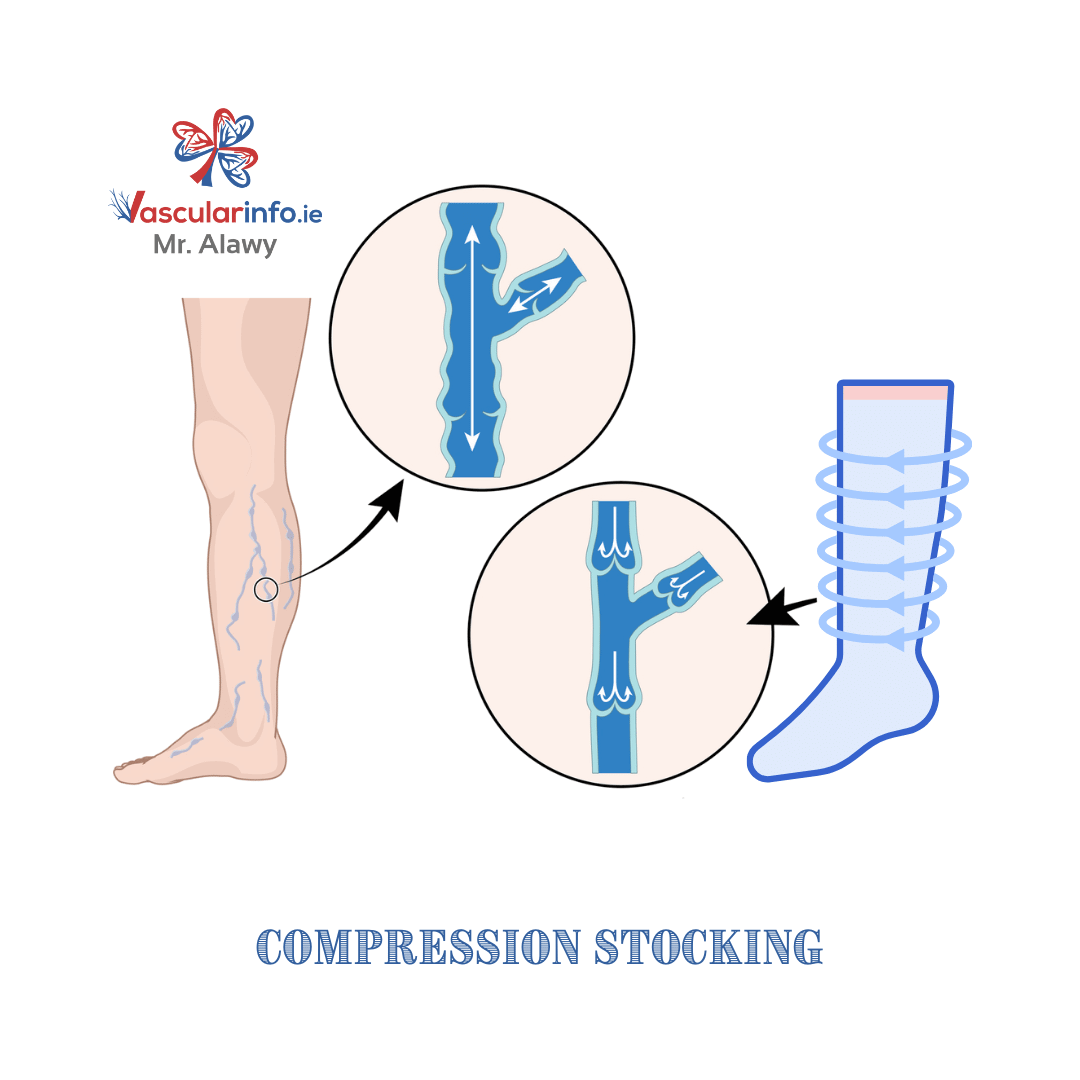
- Wear Compression Stockings – these unique socks put constant pressure on your lower legs to encourage blood flow. They are available in different lengths and compression levels. Ask your doctor first if this is suitable for you and the best compression level.
- Stay Active – promote good blood flow. Avoid sitting or standing for long periods. When you’re sitting, stretch and move your legs and feet often. If you must be on your feet for extended periods, take occasional breaks and put your feet up.
- Exercise Regularly – working out helps improve your blood flow and overall health.
What Are Bleeding Varicose Veins?
What Is The Cause Of The Burning And Itching Sensation With Varicose Veins?
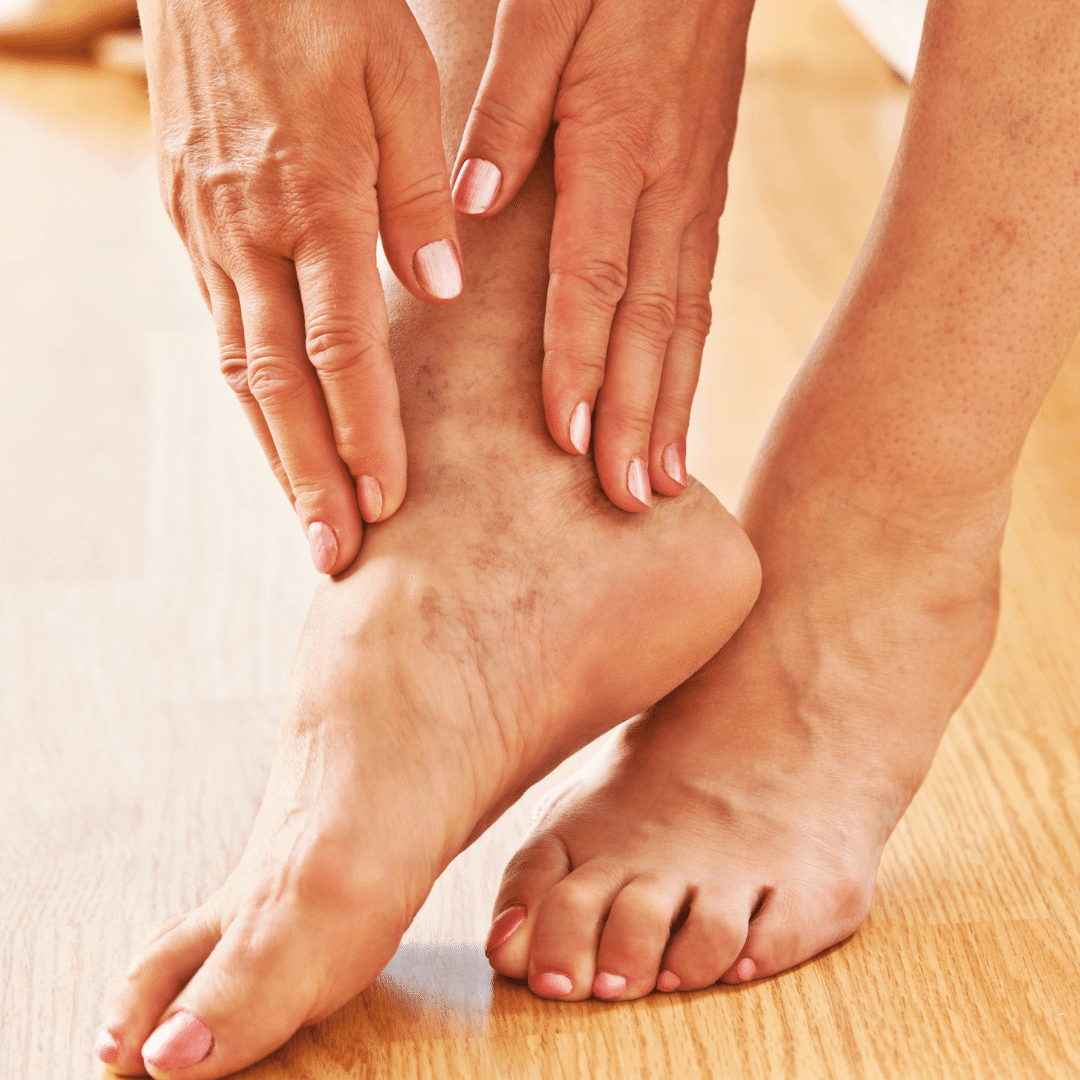
Individuals often complain of itchiness and burning sensation around their varicose veins due to a condition known as venous stasis dermatitis. It is caused by the slow pooling of blood in the diseased veins, eventually leaking into the surrounding tissues. The leaking from the vessels is also associated with inflammation, disrupting the oxygen from reaching the skin. As a result, it makes the skin itchy and red over time.
Can An Individual Travel On A Plane After The Varicose Vein Treatment?
It would be best not to travel after Varicose Veins treatment to decrease your risk of developing clots in the leg veins.
If you must travel, these precautions can help to reduce your risk of blood clots. You must stay hydrated and take short walks whenever possible while travelling. Also, avoid wearing tight clothing and wear compression stockings if advised by their doctor.

What Is The Association Between Varicose Veins And Pregnancy?
In late pregnancy, there is increased blood volume, which can contribute to the enlargement of the veins. It is mainly seen in females already at risk for varicose veins due to family history; hence the increased blood volume only accelerates the process. Other factors which might lead to varicose veins in pregnancy are the changing hormones and pressure caused by enlarging the uterus on the pelvis.
What Lifestyle Changes Can One Make To Help Their Veins During Pregnancy?
Even though pregnancy puts an individual at a higher risk of developing varicose veins, specific measures may improve the symptoms and lower the risks.
These include:
- Light exercise improves the overall blood flow. However, you should avoid sitting or standing for prolonged periods as this can lead to stasis of blood and may increase the chances of enlargement of veins. Moreover, since the growing baby is pushing onto the mother’s pelvis during the later stages of pregnancy, light exercise can help to reduce the risk of blood clotting.
- Sleep Towards the Left Side: Sleeping towards the left side is recommended in pregnant females as this can improve the blood flow to the heart, kidney, uterus, and the growing fetus. It also helps keep pressure off the Vena Cava, lowering the risk of varicose veins.
- Suppose a woman cannot engage in regular light activity and is on bed rest. In that case, she can still raise her legs periodically during the day to promote blood circulation and allow blood to return to the heart.
Are Compression Socks Effective in the Treatment of Varicose Veins?
- Not everyone is a candidate for compression stockings. Your GP will check your circulation before prescribing it.
- Compression stockings help promote circulation in the legs. As a result, they could be able to aid with leg pain, discomfort, and swelling.
- They are only used in the long run if no other treatment options are available.
- If you have a venous illness caused by a blockage or difficulties with the valves in your legs’ deep veins, you may need them for the rest of your life.
- You should wear the stockings from when you wake up until when you go to bed.