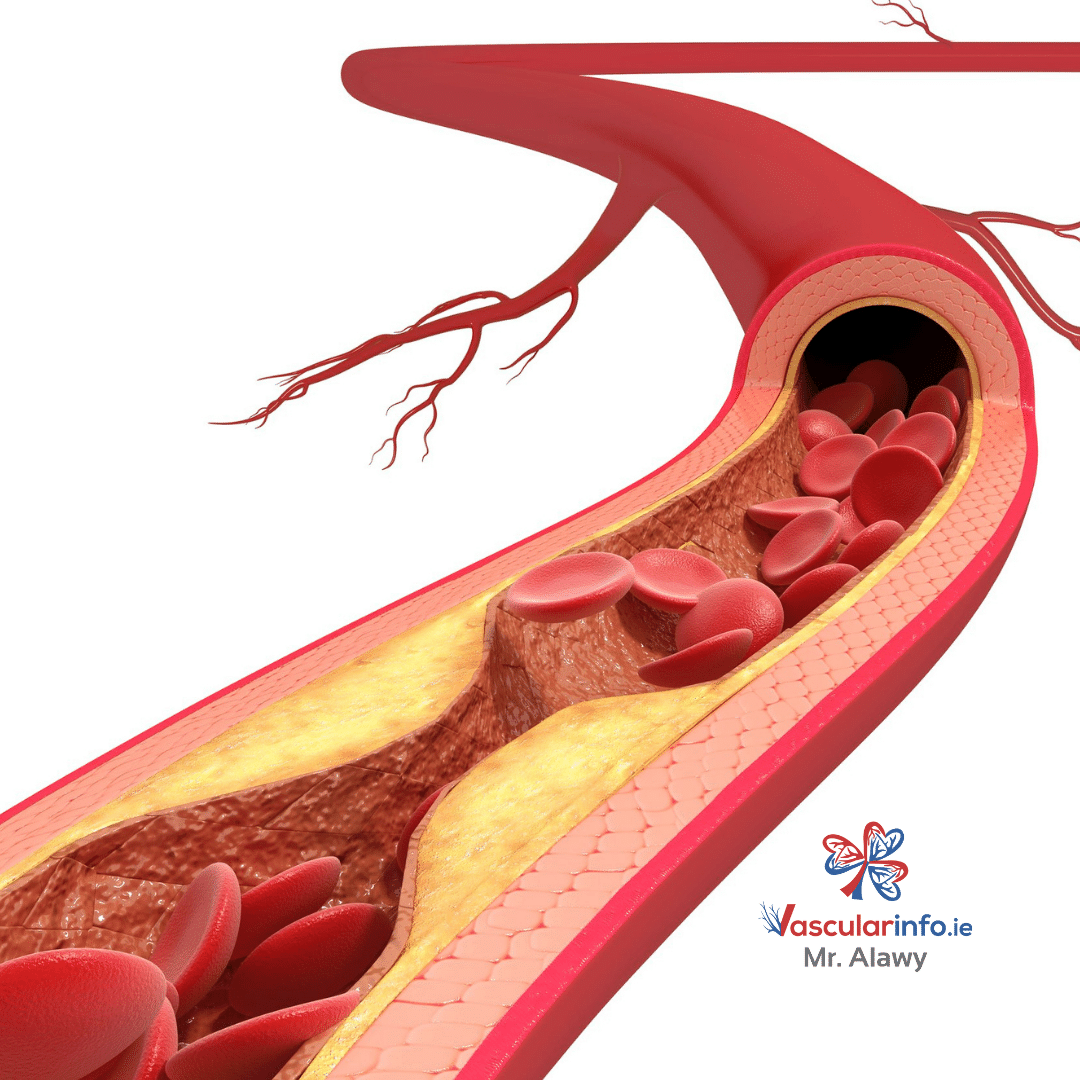
What exactly is diabetes?
Diabetes is a condition mainly known for high blood sugar levels. Blood sugar levels are somehow related to a natural body substance, insulin. It is a hormone that aids in transporting sugar from the bloodstream into your cells. Diabetic patients either do not produce enough insulin or do not utilise it well. Poor insulin functions, over time, can harm your nerves, eyes, kidneys, and other organs.
Insufficient insulin production by the body characterises type 1 diabetes. While in type 2 diabetes, the body produces and utilises insulin inefficiently. Without sufficient insulin, glucose cannot enter your cells as rapidly as it usually does. Therefore, glucose remains in high amounts in the blood.


What are some of the long-term consequences of diabetes?
These problems develop over the years and are related to how blood glucose levels influence blood vessels. High blood glucose levels can damage the body’s blood vessels, both small and large, over time. Diabetic neuropathy (nerve damage), diabetic retinopathy (eye damage) and diabetic nephropathy (kidney damage) are the most common long-term complications of diabetes. Moreover, long-term uncontrolled diabetes results in plaque buildup and possibly leads to a heart attack, stroke, or artery blockage in the legs (peripheral vascular disease).
What are common diabetes foot problems?
These foot issues may affect anybody. However, infection and significant consequences may occur in people with diabetes, ultimately may to amputation if not adequately managed.
- Dry skin: Dry skin may break, allowing bacteria through.
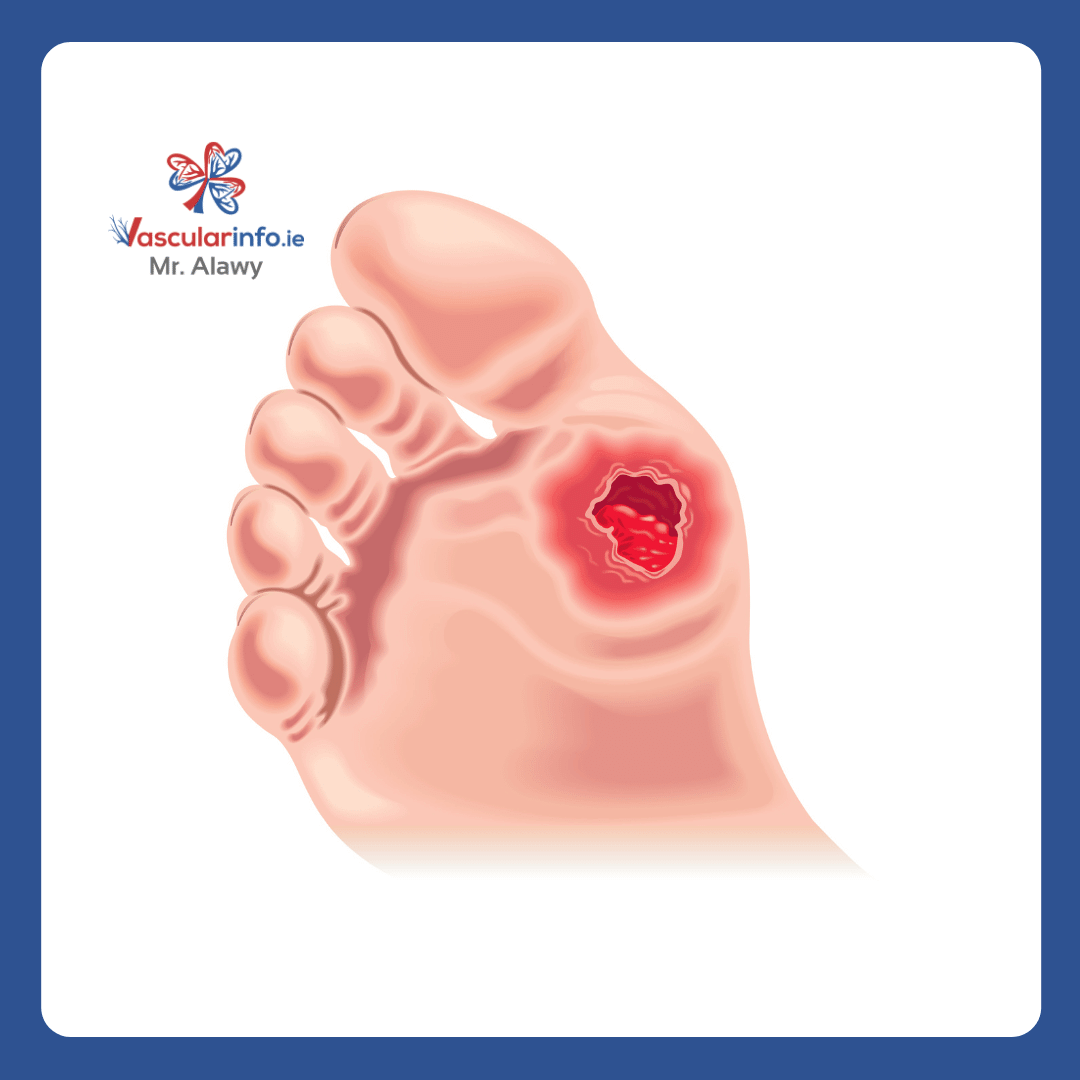
- Diabetic ulcers: Foot ulcers are skin breaks or deep sores.
- Nail fungal infection: Fungus-infected nails are discoloured, brittle, and may split.
- Calluses: A callus is an increase in the thickness of the skin upon the sole.
- Corns: Corn is a hard skin growth on a toe or between toes.
- Ingrown toenails: Ingrown toenails occur when the nail edges grow into the skin. They create discomfort at the nail margins.
- Bunions: A bunion develops when the big toe bends toward the second toe. The area where your big toe meets your foot creates a red and calloused appearance.
- Hammertoes: A hammertoe is a bent toe caused by a weak muscle. The weakening muscle shortens the toe tendons, causing them to curl beneath your foot.
- Plantar warts: Plantar warts resemble calluses on the foot's ball or heel. Some feature pinholes or tiny black patches in the middle.


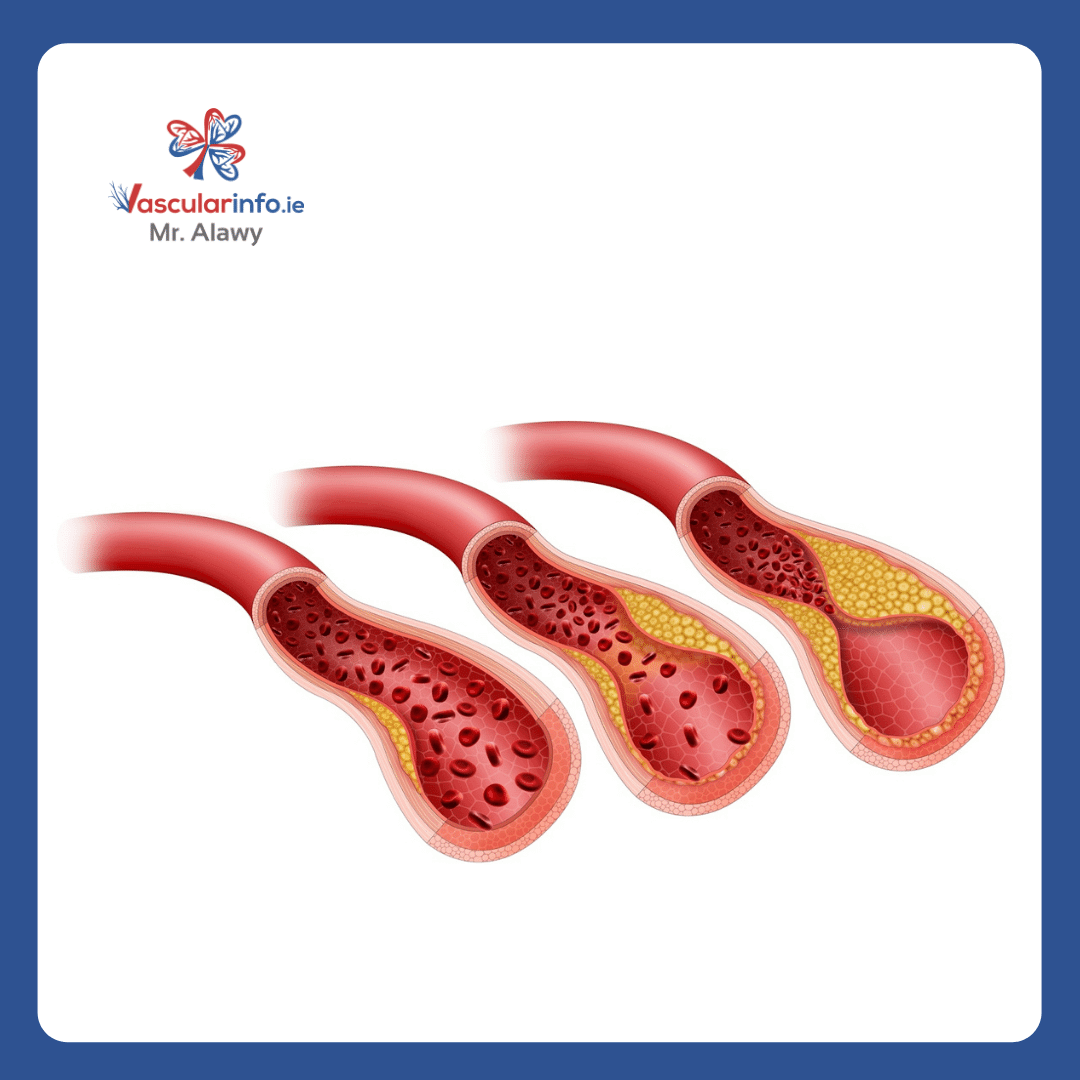
What Are the Effects of Diabetes on the Feet?
Diabetes may cause two types of foot problems:
Diabetic neuropathy (Neuropathic Foot):
Improperly managed diabetes might result in nerve damage. For example, heat, cold, and pain may be inaccessible in your legs and feet in areas involving damaged nerves.
Sensory diabetic neuropathy refers to the loss of sensitivity in people with diabetes. In this condition, a cut or soreness on your foot may get worse and infected, and you will be unable to feel it because you have neuropathy.
It is possible that the muscles in your foot will not work correctly due to the injured nerves that supply them. In some instances, this might result in the foot being misaligned and exerting undue pressure on one part of the foot.
Peripheral vascular disease (Neuroischemic Foot):
Diabetes also harms blood flow. Consequently, a sore or cut that does not get adequate blood flow can take longer to heal. In the case of peripheral vascular disease, blood flow in the legs reduces.
Suppose you have an infection that is difficult to treat due to insufficient blood flow. In that case, you are at risk of developing ulcers or even gangrene in your body (tissue death due to inadequate blood supply).
What are the symptoms of Diabetic Foot?
Diabetes foot symptoms differ from person to person. However, the following symptoms may occur:
- Blisters or other sores without experiencing any discomfort
- Redness
- Darkening of the skin and variations in body temperature
- Red striations
- Drained wounds or wounds that are discharging pus
- Fever
- Extremely ill
- Chills, Shaking
- Blood sugar that is unmanageable
Anyone with diabetes who exhibits infection-related symptoms, particularly on the feet, must seek immediate care.


What causes diabetic foot ulcers?
Ulcers can result due to a variety of factors, the most common of which are:
• Problems with the Circulation of the Blood:
Peripheral vascular disease (PVD) is when blood doesn’t flow adequately to the feet. As a result, ulcers may have a more difficult time healing if circulation is compromised.
• Damage to the nerves:
Having nerve damage is a long-term issue that might cause you to lose feeling in your feet. You may experience tingling and pain as a result of nerve injury. When nerves are damaged, they decrease the feeling of foot pain, leading to the development of painless lesions that may eventually grow into ulcers
• Hyperglycemia (excessive blood sugar):
Because increased glucose levels may impair the healing of such an infected foot ulcer, maintaining tight control over blood sugar levels is essential. In addition, individuals with type 2 diabetes and other chronic conditions frequently have a more difficult time fighting off ulcer-related infections than the general population.
• Feet that are inflamed or wounded:
Because increased glucose levels may impair the healing of such an infected foot ulcer, maintaining tight control over blood sugar levels is essential. In addition, individuals with type 2 diabetes and other chronic conditions frequently have a more difficult time fighting off ulcer-related infections than the general population.

How do you prevent diabetic feet ulcer and infections?
Holistic diabetes treatment may assist in resolving underlying health difficulties. It also promotes faster wound healing and reduces risk factors that might have contributed to the creation of diabetic foot ulcers.
Among the most beneficial diabetic lifestyle adjustments are the following:
- Optimal blood glucose levels.
- Eating patterns and nutrition.
- Control of your blood pressure.
- Smoking is not permitted because it may affect the blood flow to the feet.
People living with diabetes should pay attention to the following:
- Every day, use a mirror to check their feet for fungal infections or other irregularities.
- The feet should be cleaned and dried with lukewarm water at least once a day.
- Maintain a safe distance from heaters and heating pads.
- Before putting your shoes on, shake them out and feel the insides. Always examine your shoes before putting them on because your feet may not be able to detect a rock or other foreign object.
- Wearing shoes that squeeze your toes is not a good idea. Fungal infections, ingrown nails, and skin disorders like corns and calluses may occur due to tight shoes. In addition, poorly fitting shoes can create ulcers.
- Never walk around barefoot. Certainly not at home! Wear shoes or slippers always. You could get a scratch or cut if you step on something.
- Diabetes can cause the skin to become extremely dry. Apply a small amount of emulsifying ointment to your feet' top, heel, and bottom. Do not apply moisturiser between your toes. Contact your nurse, GP, or podiatrist if you find breaks in the skin between your toes.
- Make sure to cut your toes straight across. Please do not cut the sides of the toes, and make sure you don't cut them too short. If you cannot see clearly, do not cut your toenails by yourself. Instead, get them trimmed and filed for you by a carer.
- Never try to manage corns and calluses on your own. Instead, consult your physician to determine the proper course of action.
Every person with diabetes should also get a complete foot examination each year to ensure that the patient understands the recommendations and importance of foot care.


What is the treatment for foot ulcers?
Patients suffering from active diabetic foot disease (active foot ulcer or active Charcot foot) will be referred to the multidisciplinary foot care service. A diabetes consultant, senior podiatrist, and diabetes nurse will be part of the hospital’s diabetes foot multidisciplinary care team. In addition, the patient may require consultation with other specialists such as infectious disease, vascular surgery, orthopaedics, orthotics, tissue viability, physiotherapy, or plastic surgery. Treatment may include:


Offloading:
All types of diabetic foot ulcers can benefit from offloading. Walking can exacerbate infection and cause an ulcer to grow. Your doctor may advise:
- Offloading Boot: offloading footwear boots and special shoe inserts that transfer pressure over the foot to prevent corns and calluses.
- Special shoes or special insole created specifically for your foot
- Casts
Treatment of Infection:
If an ulcer becomes infected, it can lead to serious consequences for your foot. However, infections aren’t all treated in the same manner. Tissue from the ulcer may be sent to a lab to assess which antibiotic will be most effective. In addition, your doctor may order an X-ray to check for symptoms of bone infection.
Debridement: The removal of dead skin or foreign items that may have caused the ulcer. It can help your ulcer heal by:
- Reduce the amount of pressure on the ulcer.
- Allow for examination of the healthy underlying tissue.
- Assist the wound infection draining.
- Optimise the wound dressing's efficiency.
- Stimulate the healing process of wounds.
Revascularisation: Minimally invasive endovascular therapy or open surgical bypass may be required to restore blood flow to the foot and speed up the healing process.
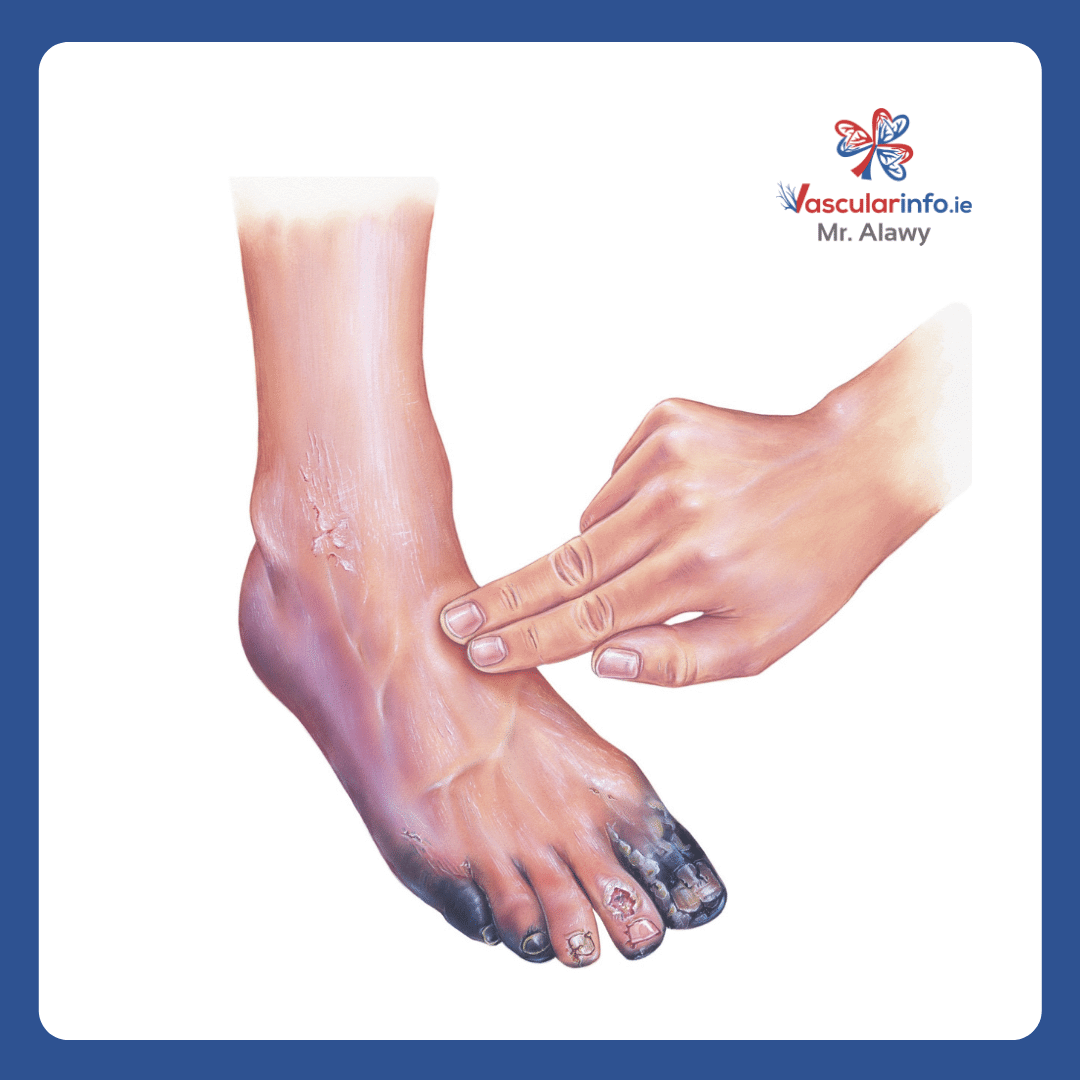
What is Gangrenous Foot?
Gangrene is a dangerous condition that develops when cut off to a significant percentage of a tissue’s blood supply occurs. As a consequence, the tissue begins to degrade and eventually dies. In addition, gangrene often discolours the afflicted skin, giving it a greenish-black appearance.
- Offloading Boot: offloading footwear boots and special shoe inserts that transfer pressure over the foot to prevent corns and calluses.
- Special shoes or special insole created specifically for your foot
- Casts
What Is Charcot Foot?
Charcot’s foot is a condition in which the bones of the feet progressively degenerate over time. Additionally, it influences the soft tissues and joints of the foot and ankle. In addition, as the condition progresses, the foot bones are pulled lower, causing the ankle and foot joints to collapse and dislocate.
The severity of the condition determines the treatment options for Charcot’s foot. Indeed, the following four considerations are often taken into consideration while deciding on therapy:
- The location of the deformity.
- Stage of disease.
- Comorbidities.
- There are ulcerations on the skin.

What are the Complications of Diabetic Foot Problems?
- Ulcers on the feet or sores which do not heal
- Skin infections, bone infections, or abscesses
- Gangrene occurs when an infection results in tissue death.
- Charcot's foot is a condition in which the form of the feet changes as the foot and toe bones move or shatter.
- Deformation of the foot.
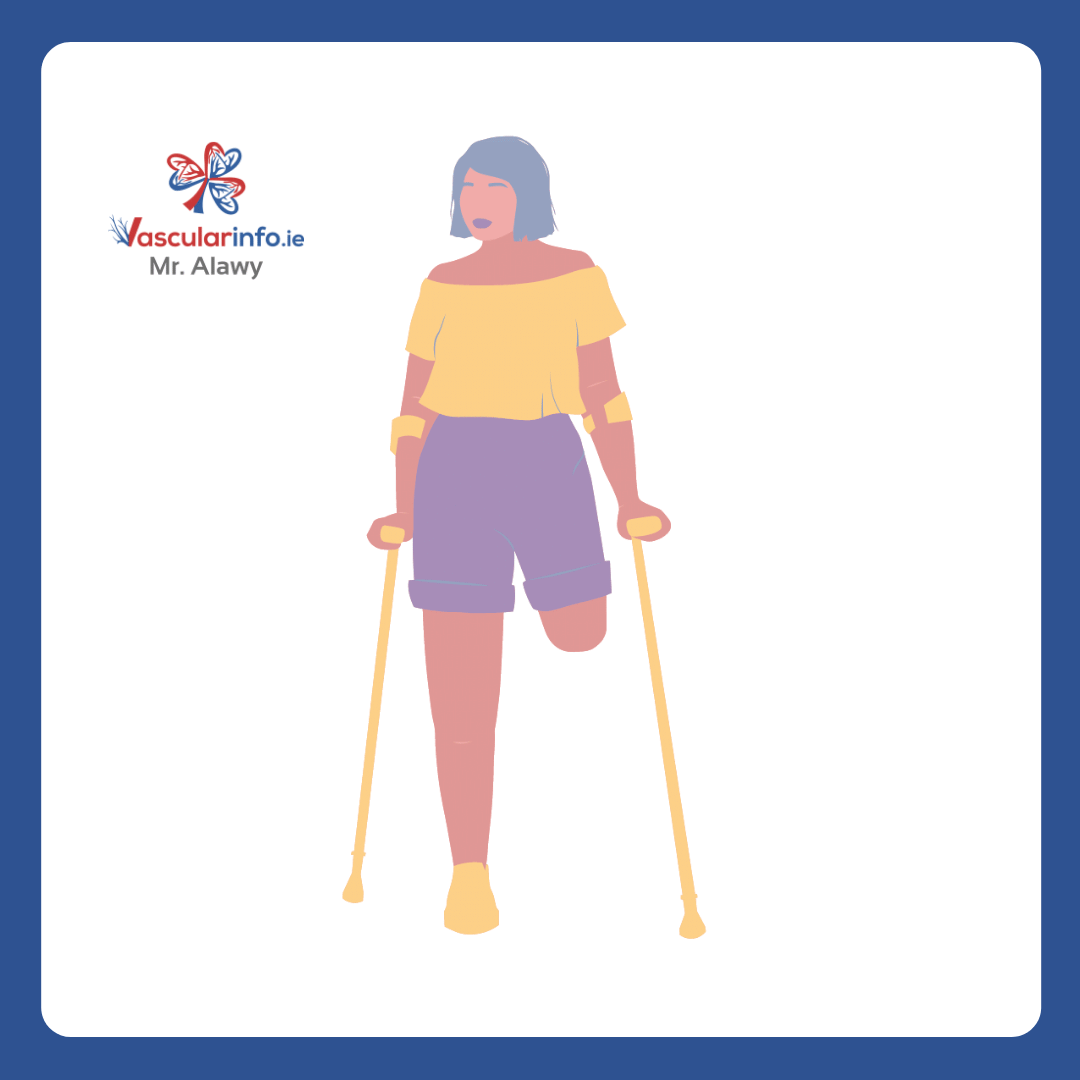
- Amputation, your doctor will recommend amputation if extensive damage and gangrene affect your foot
- Outspread of infection in the body, which may be life-threatening.