

Informational Guide to Abdominal Aortic Aneurysm
The largest artery present in the human body is the aorta. The vessel carries oxygenated blood (rich in oxygen) from the heart. It descends in the thorax and abdomen to supply every body part. Aorta consists of four segments, each part named according to its location. The four parts of the aorta are,
- Ascending aorta
- Arch of the aorta
- Thoracic (descending) aorta
- Abdominal (descending) aorta
The abdominal aorta is a part of the aorta that lies in the abdominal cavity supplying blood to the different structures present within the abdomen. So why am I only describing the abdominal aorta in detail? Because in this informational article, our primary focus will be on a diseased process related to the abdominal aorta. This ailment involved dilation of the vessel, leading to an abdominal aortic aneurysm.
What is an Abdominal Aortic Aneurysm?
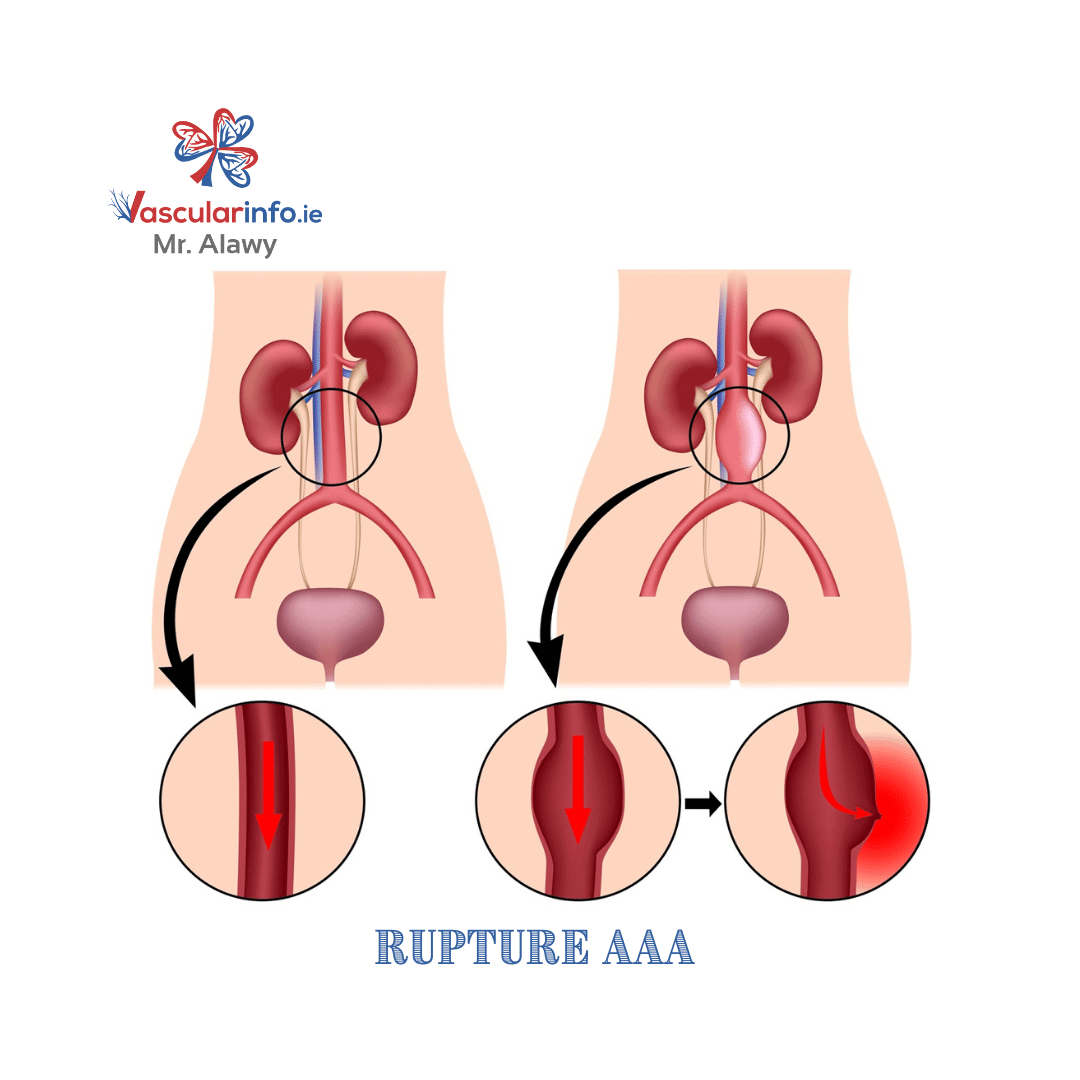
The normal abdominal aorta has an average diameter of 1.4 cm to 3.0 cm. However, weakening the abdominal aortic wall can occur for various reasons. The vessel then balloons out, leading to a diameter greater than 3.0 cm. This particular state is called an abdominal aortic aneurysm.

Why Abdominal Aortic Aneurysms are Important?
Aneurysms are important because they may burst. The wall of the aneurysm is much weaker than the normal artery. Therefore, it cannot withstand the pressure of blood and ruptures. Most of the patients usually do not present with specific symptoms and may present first time with symptoms after the aneurysm rupture.
The risk of rupture is usually directly related to the size of the aneurysm. Smaller aneurysms measuring less than 5cm are less likely to rupture. Their risk is about 1% or less. In contrast, rupture of aneurysms larger than 5.5 cm is much more common.
Rupture of the aneurysm is a life-threatening condition because of the excessive bleeding in the abdominal cavity that can cause sudden death if not correctly managed by the experts. Mortality rates in case of ruptured aneurysms are between 32% and 70%, which are also exceptionally high.
What are the Possible Risk Factors of AAA?
Although an abdominal aortic aneurysm can occur in both sexes, men are more likely to suffer from the condition. In addition to the sex, there are some other possible risk factors of AAA that I have listed here.
- Age: The risk of AAA is significantly higher in men after 65, while there is an increased incidence in women 70 years or older.
- Smoking: Smoking is an evil that damages the aorta wall, leading to the development of AAA.
- Hypertension: Hypertension, just like smoking, is a potential cause of weakening the vessel wall. As already discussed, a weakened vessel wall is a critical factor in the development of AAA.
- Family history: The incidence of abdominal aortic aneurysms also highly depends on your genetic makeup. Suppose someone in your family has a history of AAA. Then, there are more chances to get AAA in your lifetime.
- Presence of other cardiovascular disorders


How does age Influence the Incidence of Abdominal Aortic Aneurysm?
The abdominal aorta and arteries other than the aorta consist of three layers. Each layer contains a different kind of tissue. The middle layer of the arteries contains elastic fibres. Elastic fibres are special protein fibres essential for maintaining the elasticity of the vessel. With advancing age, people may lose the elasticity of the elastic tissue of the arteries. The abdominal aorta is a high-pressure artery. Less elasticity may result in the dilation of the vessel. This is why the risk of incidence of AAA is remarkably higher in older individuals.
How to Screen a Patient of AAA?
Most patients of AAA are asymptomatic, i.e., they do not present with any symptoms. Hence, screening high-risk individuals are the only way to detect and prevent the disease process. With proper screening, doctors can diagnose patients at the early stages of AAA when the risk of rupture is minimal.
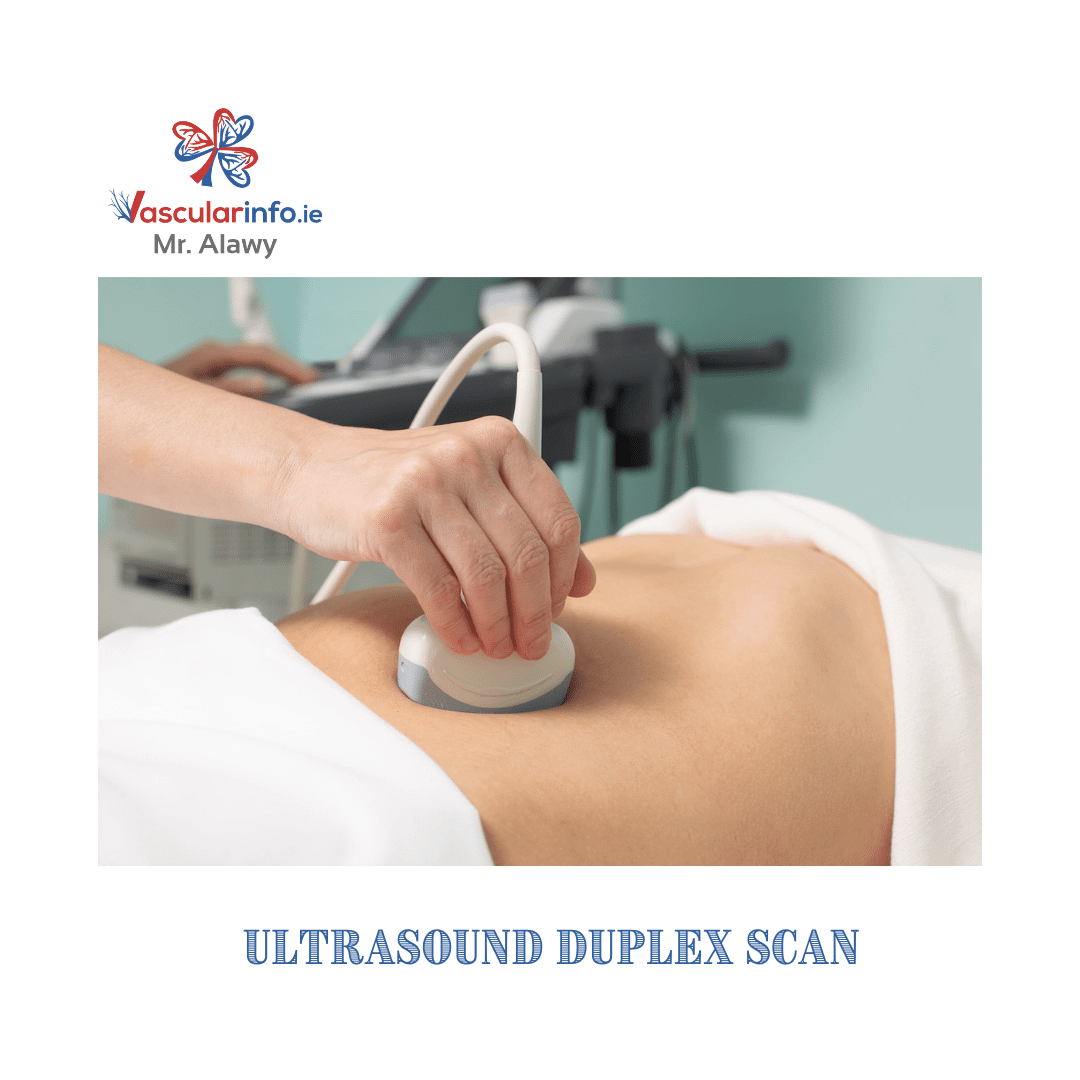
Screening involves using an ultrasound scan. Ultrasound tells the presence of the aneurysm and its exact size. Most of the guidelines recommend screening of 65 years old males for AAA. This is because there are fewer risks of women developing AAA than men. Still, screening older females with other associated risk factors is also necessary to rule out its potential occurrence.
After confirming the diagnosis, patients with aortic dilation greater than 3 cm are referred to vascular surgeons for further advice. Moreover, patients will need interventions if their aortic aneurysm reaches a greater than 5.5 cm diameter.

What are the Symptoms of Abdominal Aortic Aneurysms?
The patients of abdominal aortic aneurysms are usually unaware of their disease, as most are asymptomatic. They often came to know about the problem after the screening or rupture of the aneurysm. Moreover, incidental findings on X-ray, ultrasound or CT scan also result in the diagnosis of some. Few of them present with symptoms and are likely to complain about the following.
- Pulsatile mass in the abdomen that bulges out with every heartbeat.
- Pain in the abdomen and sometimes radiating pain in the back.
A large aneurysm is capable of rupturing and causing internal bleeding. Therefore, this is a medical emergency. Aortic aneurysm rupture symptoms may include:
- Sudden severe abdominal or lower back pain.
- Cold, clammy, sweaty, faint, breathless sensations.
- Loss of consciousness.
How Does Aneurysm Affect Leg Circulation?
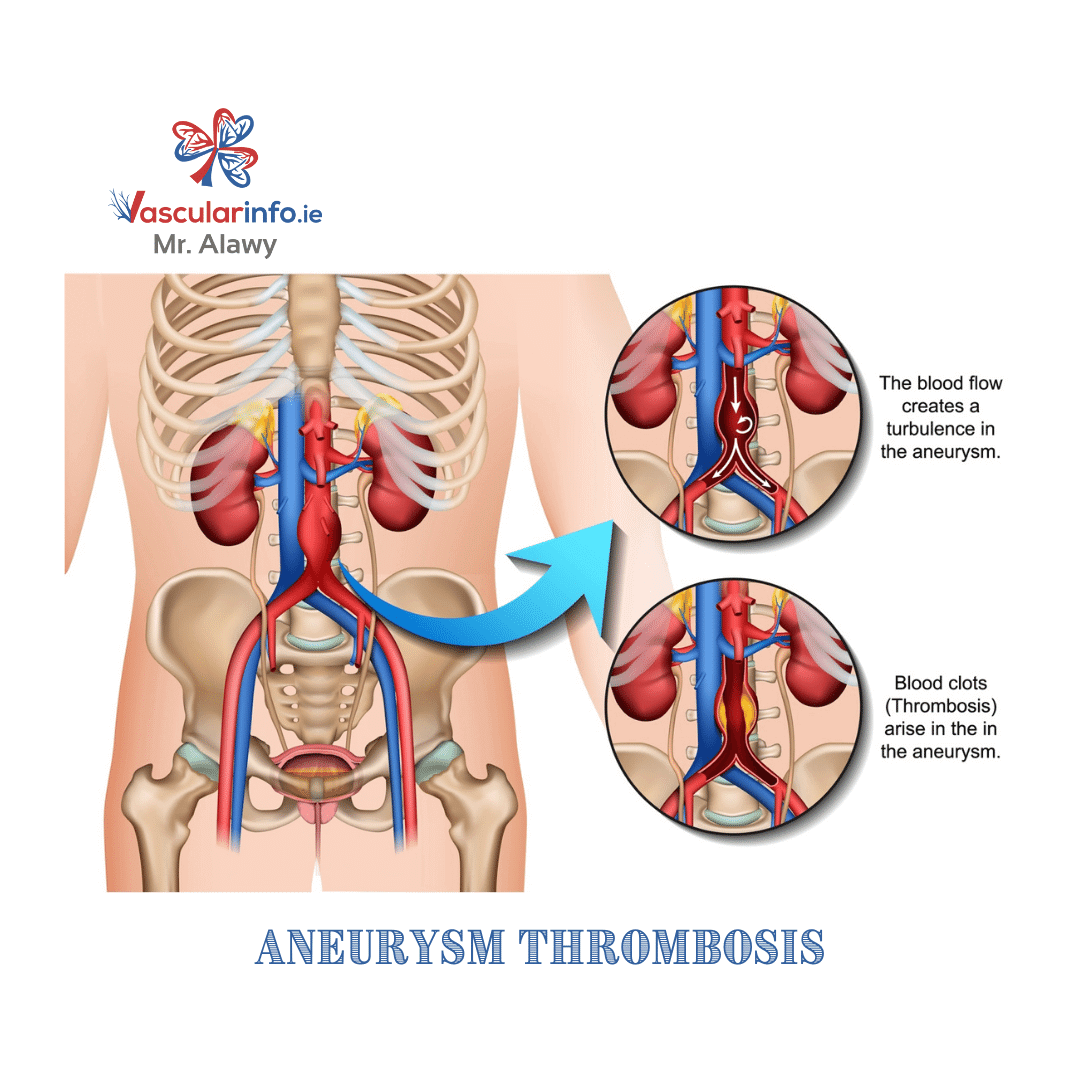
A clot that has formed in the aneurysm may break off and become trapped in the leg artery. A blockage in the leg artery can seriously impair leg circulation. Furthermore, AAA can be associated with other aneurysms in your leg, such as behind your knee or groin, which can impair circulation to your foot.

How to Diagnose a Case of Abdominal Aortic Aneurysm?
The critical method for diagnosing a case of AAA is an ultrasound scan. It is the initial investigation that your doctor will order to know the presence and exact size of the aneurysm. Another method for developing a patient diagnosis is a computed tomography (CT) angiogram. It reveals minor details about the abdominal aorta, its branch vessels and other abdominal conditions. Vascular surgeons also use this technique while planning an operation for AAA repair.
What are the Different Types of AAA?
Depending upon the aneurysm’s shape:
- Saccular Aneurysm: When there is a focal weakening of the vessel wall, a wall’s protrusion may occur, frequently forming spherical balloon-like swellings. Such swellings are called saccular aneurysms. Their shape shows that Saccular aneurysms are more dangerous than fusiform aneurysms.
- Fusiform Aneurysm: It is a uniform swelling due to the weakening of the whole of the arterial wall. It usually appears like a spindle. It is essential to know that size and severity of the fusiform aneurysms are directly related to each other. Small-sized aneurysms are less likely to rupture than large-sized aneurysms.
Another important type that is not related to shape but the cause is a mycotic aneurysm.
- Mycotic aneurysms: These are the arterial swellings that occur due to infection. Bacterial infections most commonly cause this type of aneurysm.


How to Prevent Abdominal Aortic Aneurysms?
Unfortunately, age and genetic composition are non-modifiable risk factors, and you can do nothing about them. But there are some ways to reduce your risk of having AAA during your lifetime. It may also slow the progression of existing AAA.
- Quit smoking: Smoking weakens the wall of the arteries. Thus, if you are a chronic smoker, you should quit smoking.
- Manage high blood pressure: Hypertension is also a potential risk factor for developing an aneurysm. One who keeps his blood pressure within normal limits is less likely to develop AAA.
- Diet and Exercise: Diet and exercise are two essential pillars for maintaining the integrity of health. Maintaining a healthy lifestyle enhances the condition of the arteries reducing your cardiovascular risk.
How to Manage a Patient of AAA?
The management of the patient of AAA involves the following.
Follow-up Management with Repetitive Ultrasound Scan
An ultrasound scan is essential for the diagnosis. It assesses the progression of the disease most of the time. The frequency of ultrasound depends on AAA size as guidelines. It is crucial to optimise the potential risk factors. For example, maintaining a healthy diet and treating potential risk factors like hypertension and quitting smoking.
Surgical Repair of the Aneurysm
Your vascular surgeon usually advises surgery for your aneurysms in the following conditions.
- In case of symptomatic aneurysm
- In case of large-sized aneurysms with a diameter greater than 5.5 cm
- When the aneurysm is expanding at a rate of 1 cm per year
- Abnormal shape aneurysm with a high risk of rupture
What are the Surgical Treatment Options of AAA?
Repair of the AAA involves putting an artificial graft in the defective portion of the aorta. Vascular surgeons use two different methods for the insertion of grafts.
- Open AAA repair
- Endovascular repair
- Complex Endovascular Repair
Endovascular Repair (EVAR)
EVAR is a less invasive treatment option for AAA than open repair. In this treatment method, your vascular surgeon will make a small incision in the groin. He will then insert the graft through the vessel of your groin. Finally, he will place the graft in its place using an X-ray machine. The significant advantage of this procedure is that it is less invasive as the surgeon will not cut open the abdomen. According to guidelines, EVAR is not suitable for every patient. Please ask your vascular surgeon about the surgical procedure that suits you the most.


Open Abdominal Aortic Aneurysm Repair
As the name indicates, this method cuts open your abdomen to place the artificial vessel graft in place of the defective vessel. Not all patients are fit for this procedure due to many possible risks during the process. However, it is the most effective surgical method of AAA repair. In most cases, the graft works well for the whole remaining life of the patient. Unfortunately, you have to stay at the hospital for about 7 to 10 days. Your surgeon will also tell you the necessary precautions you need to take after leaving the hospital.


