Information about Stroke: A Guide for Patients and Families
Stroke patients and their carers can get the essential information about the stroke from this article. Thus, if you are looking for an easy guide to understanding stroke, read the article and get all your concerns answered.
What is Stroke?
A stroke is an emergency involving interrupted blood supply to part of the brain, resulting in poor delivery of nutrients to the brain cells, which begin to starve. All this may lead to the death of the affected brain cells. Surprisingly, the whole process takes only five minutes, from the interruption of blood supply to brain cells’ death. Strokes can lead to life-long disability in the patients. Hence, stroke is considered dangerous, leading to devastating outcomes if not treated immediately.

What are Various Types of Stroke?
Whatever the type of stroke, the common phenomenon is the interrupted blood supply. It may happen because of two conditions.
Ischaemic Stroke
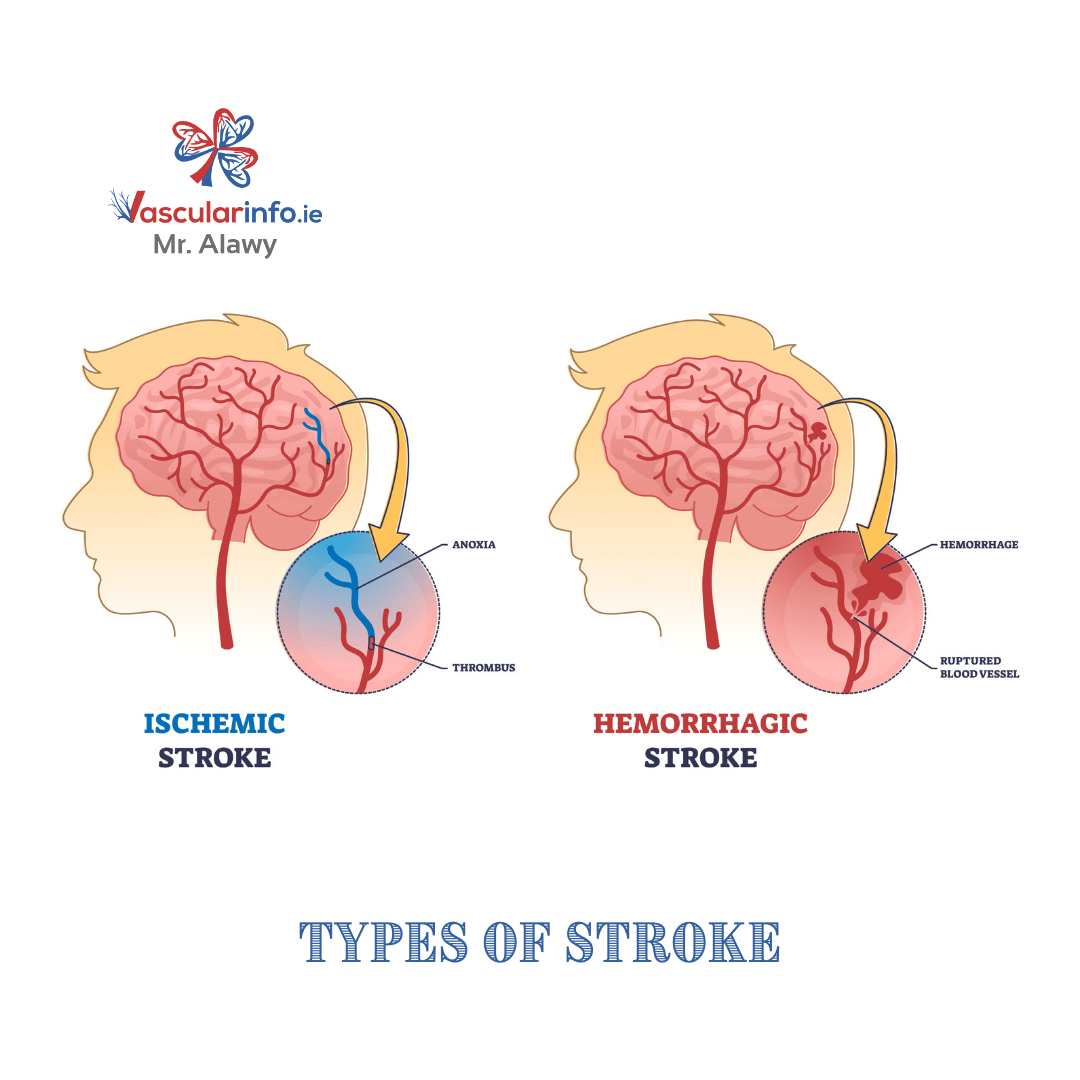
Because of a diseased process, some individuals have an increased tendency to have clotting in their blood vessels. Clot results in the blockage of the vessel, and the supplied area of the affected artery face its ultimate demise.
- A clot, known as a thrombus, may form in a small artery supplying the brain tissue.
- In the other half of the patients, the initial clot is formed in some distal artery of the body, dislodged and trapped in the brain’s artery. Such ischaemic strokes are called embolic strokes, as they occur due to the embolus. The embolus blocks an artery far away from its formation site.
Hemorrhagic Stroke
Let us now understand another type of stroke that is not as common as ischaemic stroke, but it does occur in 15% of all stroke cases. The process begins with dilating a brain artery due to the weakening of its wall. The artery ultimately ruptures, leading to bleeding in the brain. Such Strokes fall under the category of hemorrhagic strokes.
Haemorrhage in the brain is a double-edged sword. It results in the death of the cells due to two reasons. First, the bleeding exerts pressure effects on the cells. Second, bleeding results in an insufficient supply of nutrients to the destined areas of the normal artery.
- If the bleeding occurs within the brain, it is an intracerebral haemorrhage.
- If the bleeding occurs on the brain surface, it is a subarachnoid haemorrhage.
What Factors Increases the Risk of Stroke?
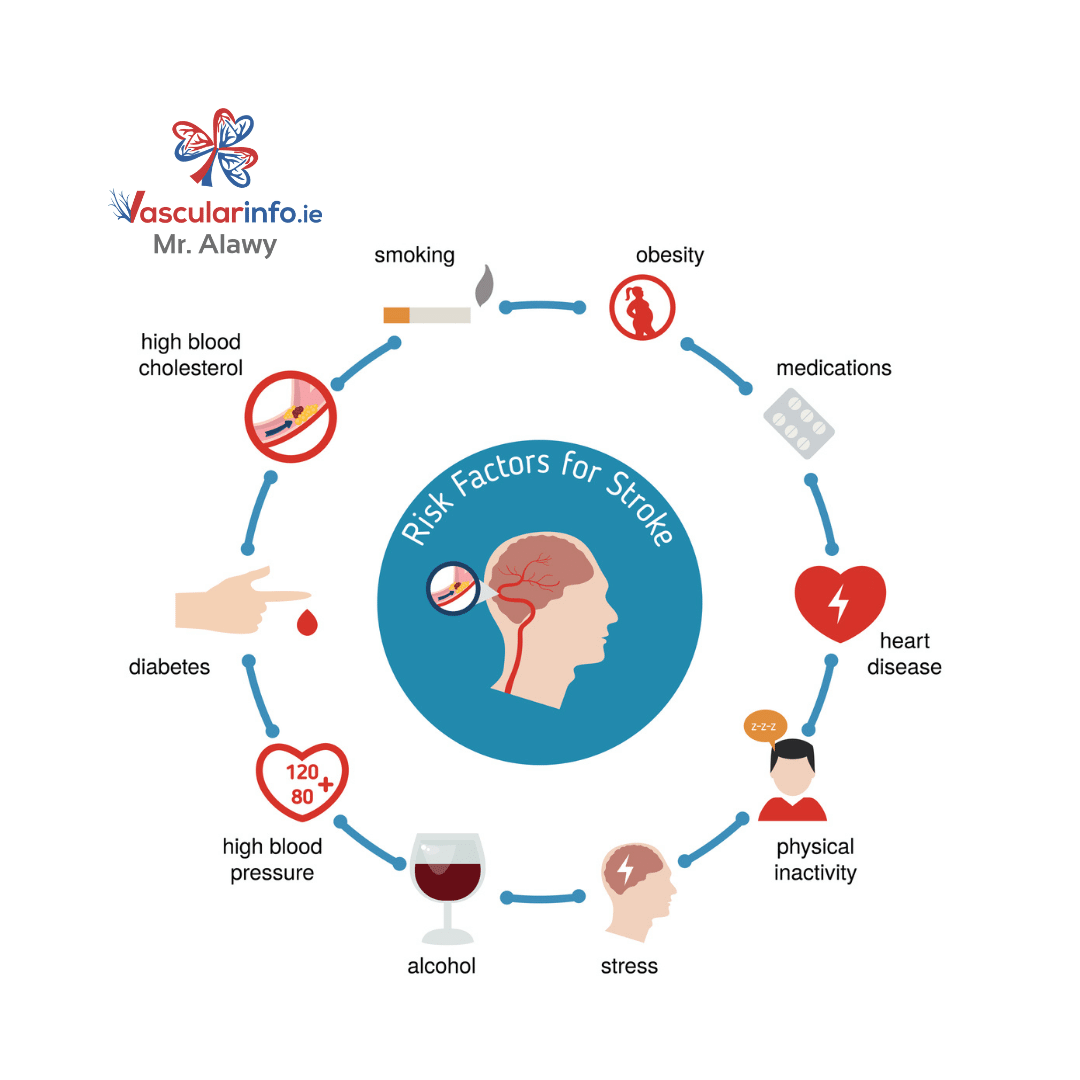
Risk factors of stroke can involve two broad categories. One category involves factors you don’t have any control known as non-modifiable risk factors. In contrast, you can manage modifiable factors by changing your lifestyle and adopting healthy dietary habits. Some of the critical modifiable and non-modifiable factors that you should know are the following.
Non-Modifiable Factors
- Age: Older individuals are at higher risk of having a stroke than younger ones
- Gender: Men are more likely to have a stroke than women
- Race and Genetics: People belonging to different ethnic groups have varying chances of having a stroke in their lifetime
Modifiable Factors
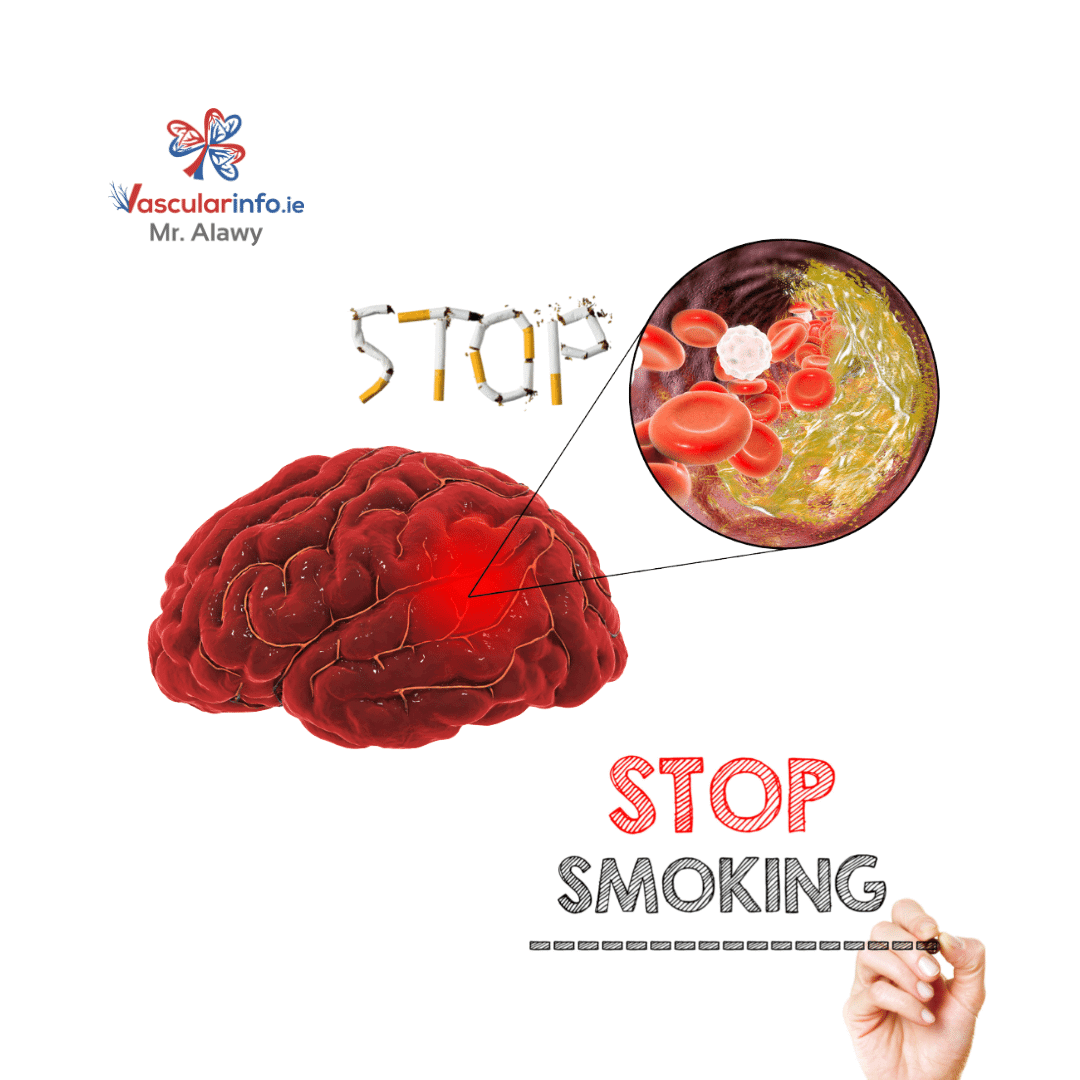
- Smoking: Smoking damages your blood vessels all over the body and increases the risk of you having a stroke
- Obesity and Sedentary Lifestyle: Unhealthy dietary habits and a sedentary lifestyle are the two main cornerstones of obesity. Obese people have more cholesterol levels in the blood. All this results in an increased risk of clot formation, which may result in a stroke.
- Diabetes: Diabetes is notorious for its effect on disturbing the lipid concentrations in the blood. Diabetes increases fats in the blood and increases the likelihood of clot formation.
- High Blood Pressure: Long-standing and uncontrolled hypertension damages the blood vessels and increases the risk of stroke.
- Alcohol: Alcohol damages your heart and liver and has the effect of increasing your blood pressure. Increased blood pressure, as mentioned before, is a potential risk factor for stroke.
Why Do You Need to Act FAST?
The FAST campaign focuses on creating awareness about stroke symptoms among the general public. There are some warning signs that a stroke patient may show. Everyone should know these signs so that they can call the ambulance before it’s too late.
- Facial Symptoms: There may be drooping of the eyes and lips
- Arm or leg weakness: He would find difficulty in raising his arms or walking
- Speaking problems: He would not be able to speak, or it would be hard to understand
- Time: You need to act fast if you see any of the above symptoms in someone because time is crucial for the survival of stroke patients.


How Does a Patient of Stroke Present?
Signs and symptoms of stroke patients are highly variable. They are as complex as the blood supply of the brain. A patient usually presents with symptoms depending upon the affected side of the brain. Some of the common presentations of stroke patients are the following:
- Muscle paralysis of one side of the body
- Sensory loss on one side of the body
- Facial symptoms such as drooping of eyelids and deviated lips
- Visual symptoms such as double vision and a partial loss of vision
- Swallowing and speaking difficulties
Whatever the symptoms may occur, the patient life becomes disturbed. Thus it is a severe problem that the responsible community groups need to address globally.
What is a TIA?
Transient Ischaemic Attack (TIA) shows signs similar to a stroke, but they only occur for a few minutes to 24 hours. Although TIA doesn’t last long and does not leave any permanent effects, you should not ignore it in any case. Because TIA is the predecessor of the stroke, and in the absence of proper management, it may lead to a stroke soon.
Can You Have A Second Stroke?
If you had a previous stroke, your chances of having a second one are higher than those who haven’t had any stroke in the past.
How to Prevent Stroke from Happening?
Unfortunately, some risk factors for stroke, such as age and genetics, cannot be modified. However, for your better apprehension, I am mentioning here three cornerstones that will help you reduce your risk of having a stroke and enhance the quality of your general health.
Eat a Healthy Diet
If you want to have a healthy body, you should eat right. It would be best to aim for a diet that contains less fat, fewer salts and more fibres and proteins. Also, look for a diet with regular portions of oily fish such as salmon. Additionally, you should also avoid too much sugar intake.
Build a Habit of Exercising Regularly
Exercise offers much more than you know about it. It would be best to exercise regularly to have healthy body functioning. Don’t try to overwhelm yourself with the thought of exercise. Doing what you can easily do is enough to have a healthy start.
Avoiding Risk Factors
If you are a smoker or used to binge drinking, start by quitting these habits. After quitting smoking and excessive alcohol intake, maintain your blood pressure and blood sugar levels within a normal range.

What Does the Stroke Management Involve?
“Time lost is brain lost.”
Rapid access to brain imaging is crucial to determine whether the stroke is caused by an interruption in blood flow (ischemic) or by bleeding from an abnormal vessel (hemorrhagic).
Hemorrhagic Stroke: The goal of treatment is to prevent further bleeding. Neurosurgical consultation and blood pressure control are critical for the best patient outcomes.
Ischaemic Stroke: Your treatment team must quickly restore blood flow to your brain to treat an ischemic stroke. Two possible treatments are Thrombolysis, “clot buster” medicine
or physically removing the clot from your brain to restore blood flow. Unfortunately, not every stroke will be eligible for these treatment options. Other medications that can be used to treat an ischemic stroke include:
- Aspirin and other antiplatelet medications
- Anticoagulants, for some patients, lower the chances of developing new blood clots.
- Medicines for high blood pressure
- Medication to lower your blood cholesterol level
The Multidisciplinary Stroke Team will manage the stroke patient. The multidisciplinary team comprises doctors, nurses, occupational therapists, physiotherapists, dieticians, speech and language therapists, and stroke specialist nurses.
How Does Carotid Artery Disease Cause Stroke?
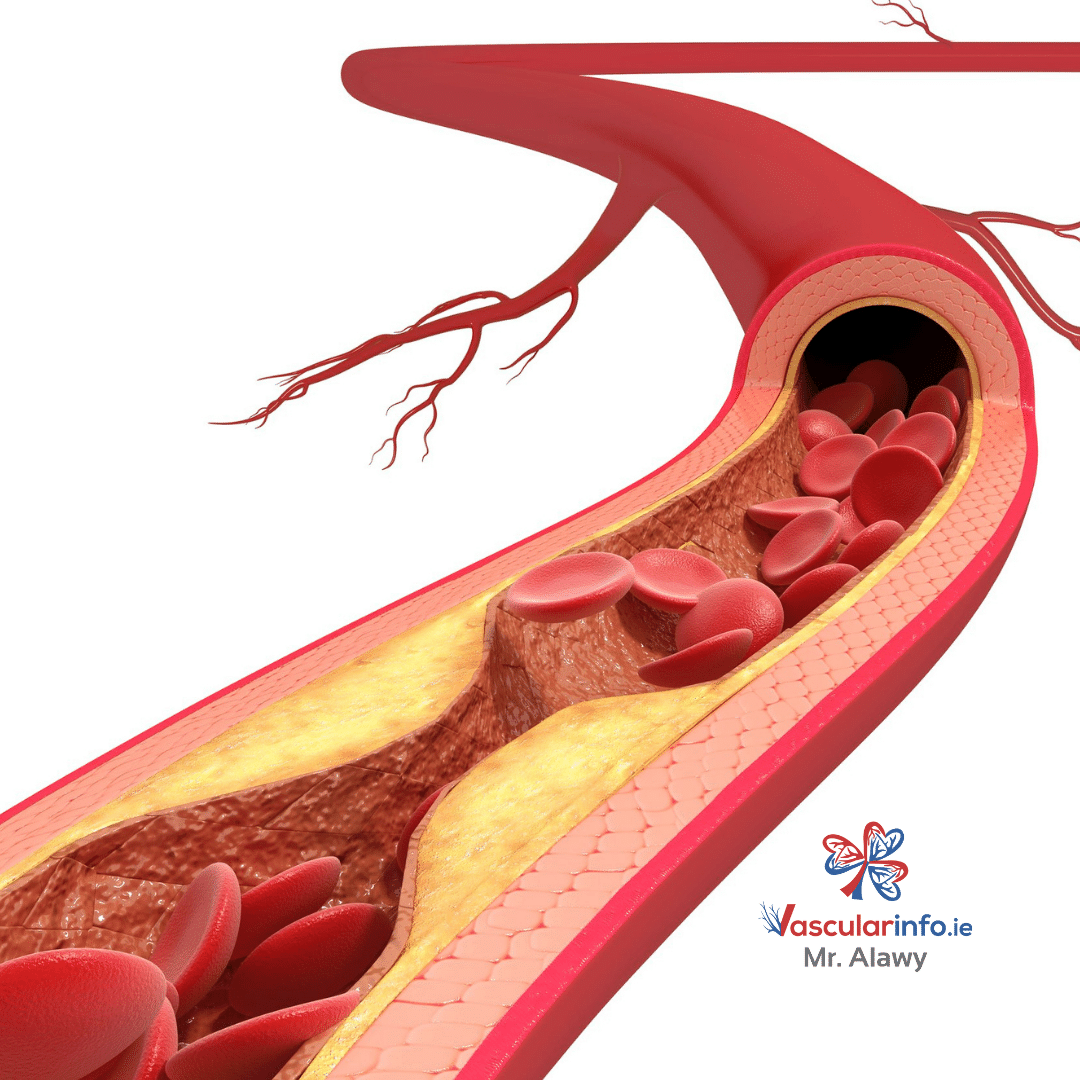
Carotid artery disease involves the formation of atheroma. It is a plaque containing fat and other debris. The plaque will cause gradual narrowing of your artery and predispose to clot formation in the carotid artery, which may get dislodged and trapped in a smaller artery supplying the brain tissue. This could result in either TIA or stroke.