Patient’s Guide to Peripheral Arterial Disease and its Treatment Options
Peripheral artery disease (PAD), Peripheral Vascular Disease (PVD) or Lower Extremity Peripheral Artery Disease (LE PAD) are terms used to describe a systemic condition characterised by narrowed and blockage of peripheral blood vessels caused by plaque buildup. Let us discuss why it is essential to be aware of it. First, it is a medical condition with high prevalence. It can affect one in six people over the age of 60. Second, it increases your risk of having life-threatening conditions such as heart attack and stroke.

What is Peripheral Arterial Disease?
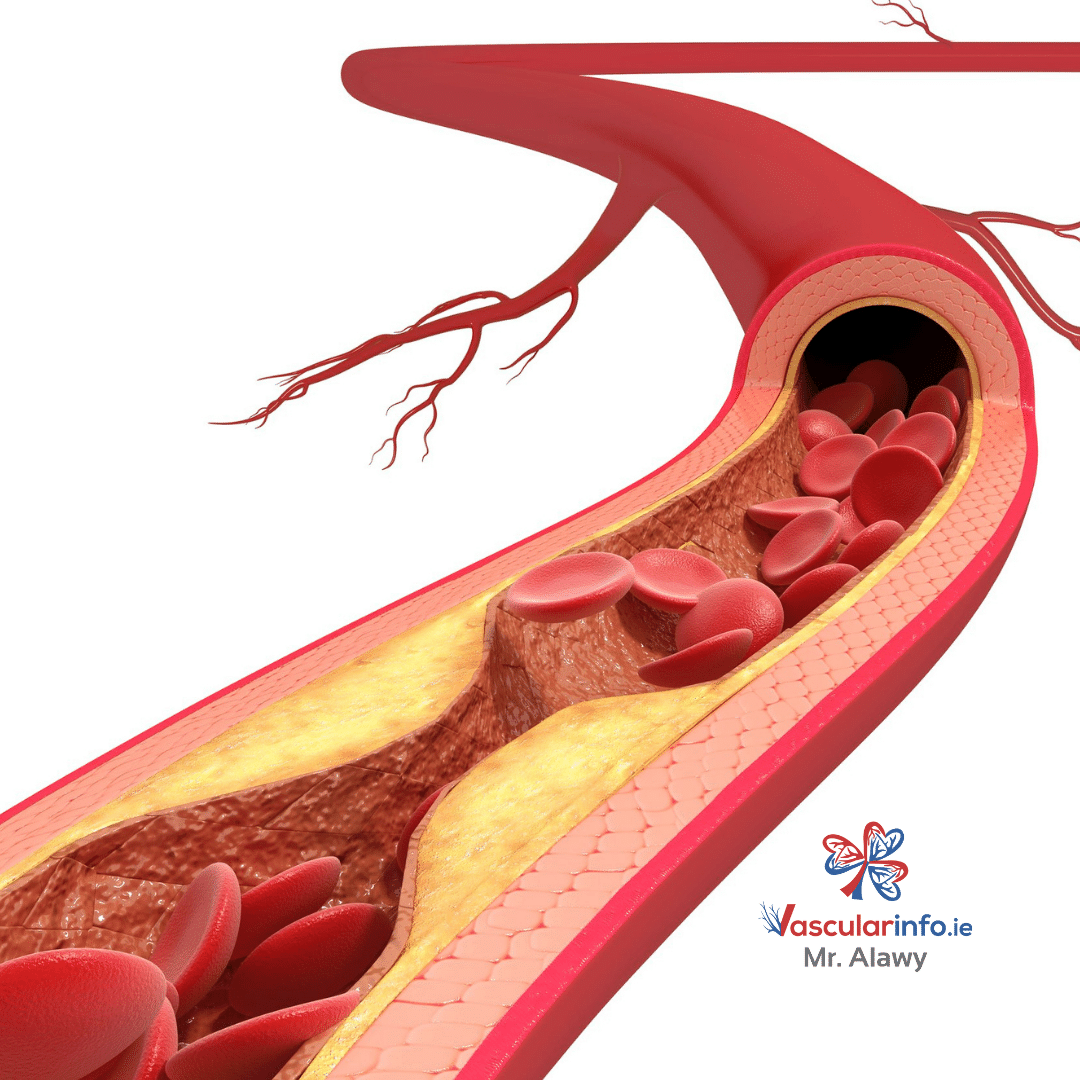
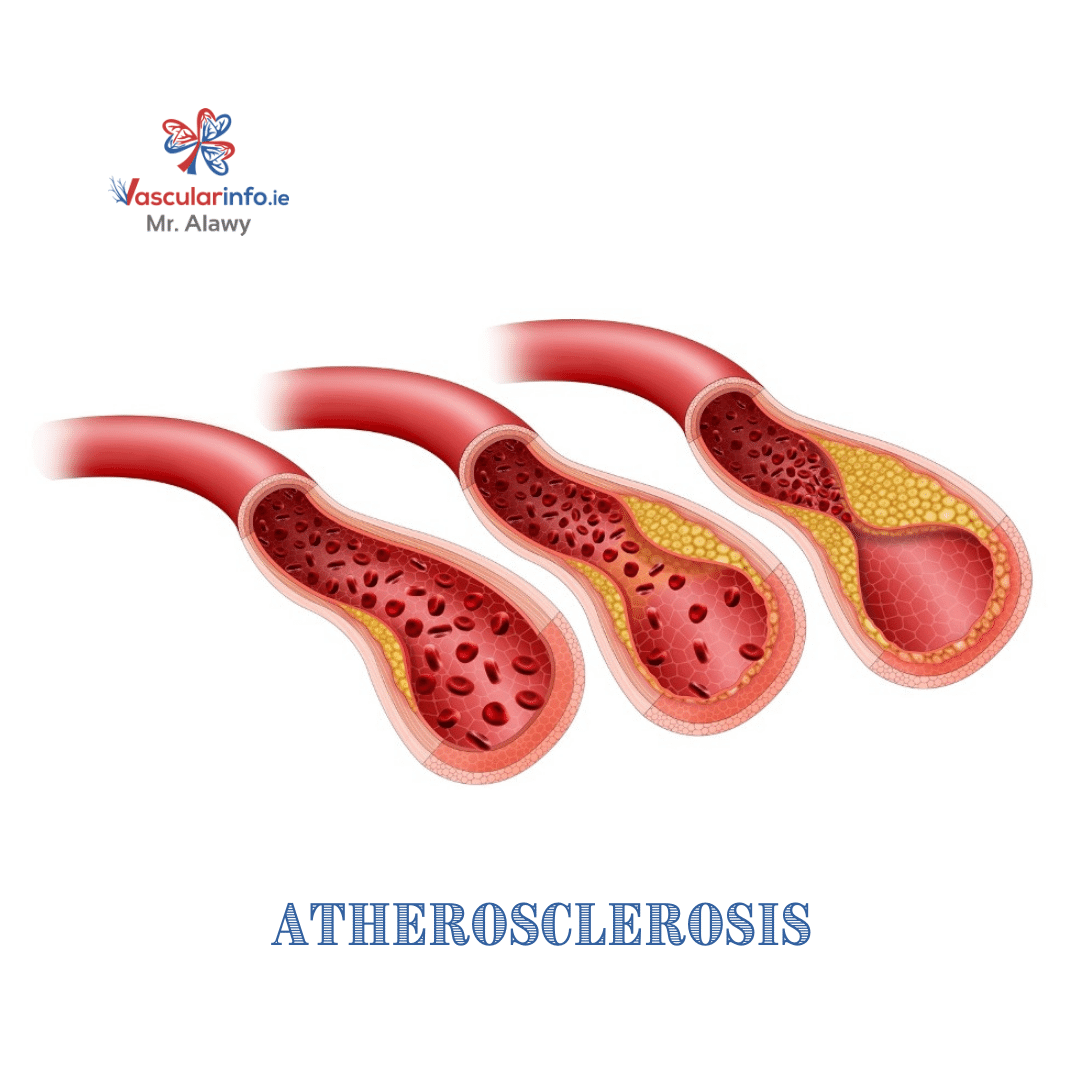
Peripheral arterial disease (PAD) involves narrowing and blocking the arteries supplying the body’s distal parts. However, PAD most commonly affects the arteries of the legs and feet. Blockage occurs due to the slow and progressive accumulation of fatty deposits inside the lumen of the artery – referred to simply as plaque or atherosclerosis.
Poor blood supply distal to the narrowed or occluded vessel leads to ischemia of the tissues. If not appropriately treated, ischemia of the leg or feet results in gangrene. Hence, peripheral arterial disease needs special attention to prevent unfortunate outcomes.
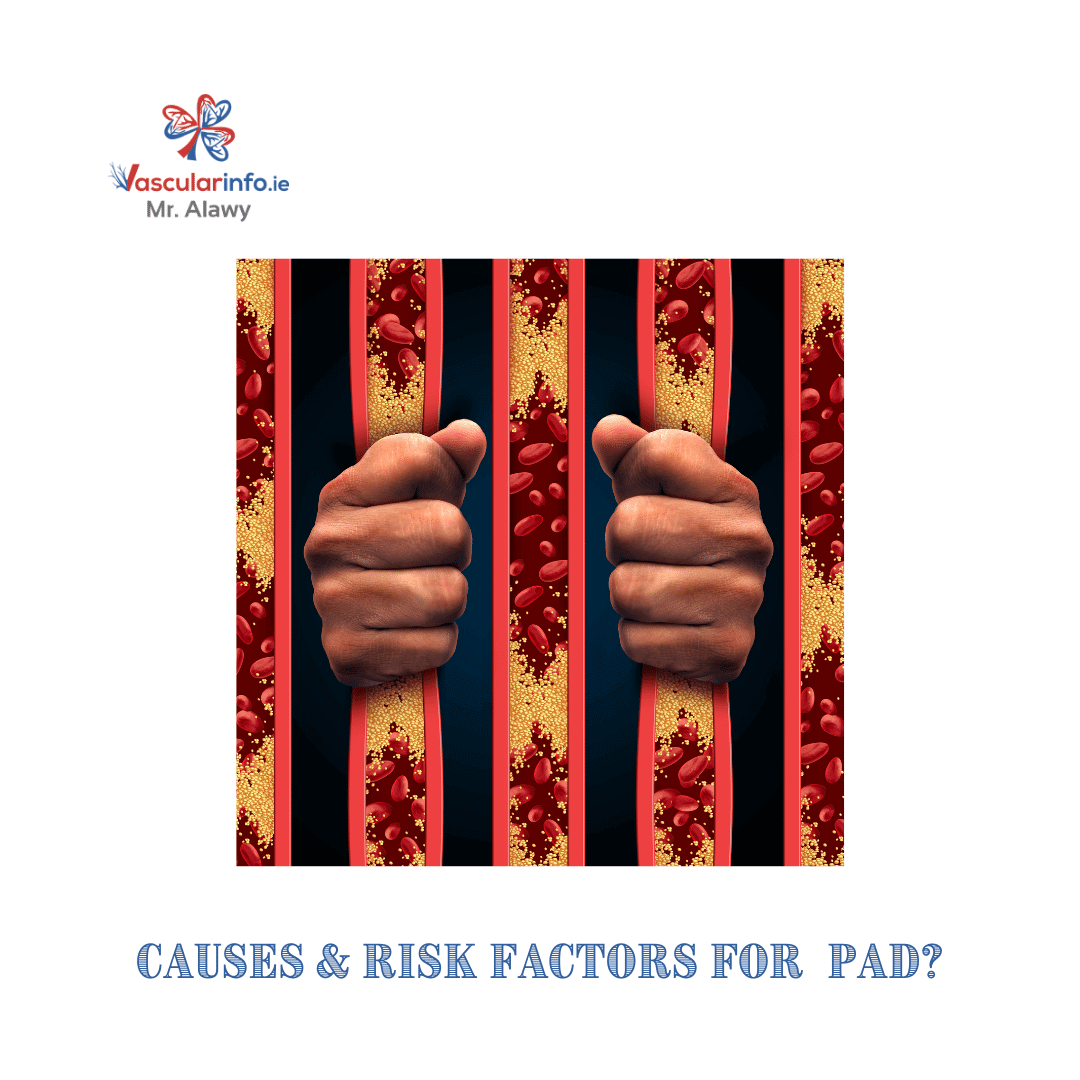
What are The Causative & Risk Factors for Peripheral Arterial Disease?
Certain risk factors contribute to the development and progression of the disease process.
- Smoking: Smoking is the most significant risk factor contributing to PAD development. The risk of PAD is four times higher in smokers than in non-smokers.
- Diabetes: Diabetes deranges the fat profile in the blood, resulting in dyslipidemia. It is characterised by high cholesterol and lipids in the blood, increasing the likelihood of atherosclerosis. Therefore, one in every three diabetics above 50 has PAD.
- High blood pressure (Hypertension): Atherosclerosis is the underlying causative factor for hypertension and PAD. Thus, hypertension is more comorbidity than a simple contributory disease to PAD.
- Hereditary: PAD may occur due to genetic variations. You are at higher risk if you have a strong family history of cardiovascular disease.
- High cholesterol levels: High cholesterol, either due to excessive dietary fat intake or diabetes, increases the chances of clogging blood vessels with fat deposits.
What are the Symptoms of Peripheral Arterial Disease?
Patients with PAD usually don’t show symptoms until the disease has progressed to an advanced stage.
- Cramping pain in the legs, especially after physical activity such as walking (Intermittent claudication)
- Poor wound healing
- Severe pain in the foot at night
- Development of leg ulcer and gangrene
PVD is a systemic disease. The associated fatty clog in different body blood vessels, particularly the brain and heart, can become dislodged and block the blood supply. Blocked arteries result in two potentially life-threatening conditions: stroke and heart attack.

What are the Different Presentations of PAD?
Experts divide symptoms of peripheral arterial disease into three stages:
- Asymptomatic Stage
- Claudication stage
- Critical limb ischemia
Asymptomatic Stage
As the name indicates, patients do not present with any symptoms at this stage. However, the pathological process has started to damage the arteries of the limb.
Intermittent Claudication
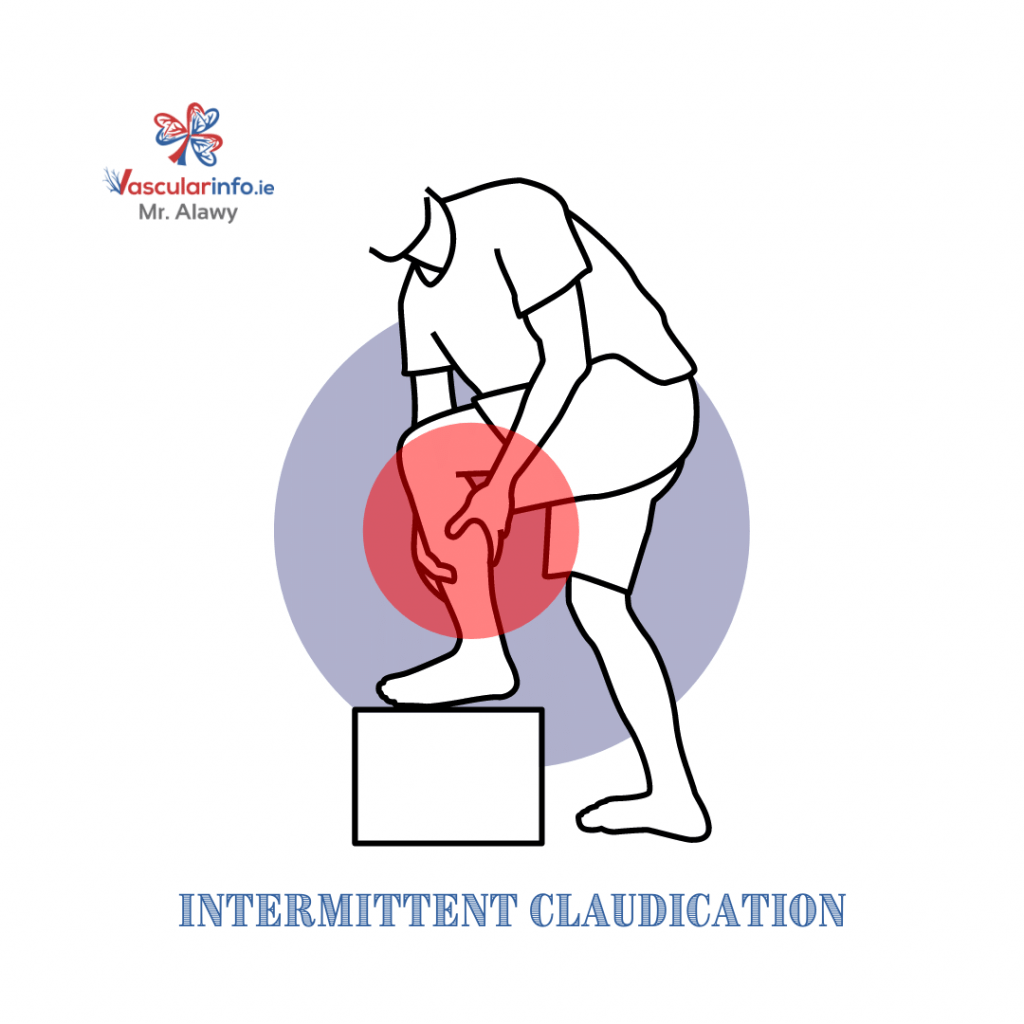
PAD most commonly presents with intermittent claudication. Hence this symptom needs special attention. It involves cramping pain in the legs, especially after physical activity such as walking. In addition to the legs, pain can occur in the hip and thigh.
The pain wears off after some rest period, and you can resume your activity after that. However, in some patients, pain can recur after restarting the work.
Most patients’ intermittent claudication remains stable and does not progress to a critical stage. Moreover, your body forms small collateral blood vessels around the blocked artery to compensate for the reduced blood supply. Unfortunately, it takes several months for new vessels to develop. You can, however, accelerate this compensatory process by changing your lifestyle habits and medical treatment.

Critical limb ischemia
As already discussed, clogging of arteries leads to poor blood supply to the distal part of the limb. When blood circulation becomes so defective that even the required nutrients don’t reach the tissues.
Without an adequate blood supply, skin and superficial tissues cannot function properly. As a result, the patient typically complains of nighttime burning pain in the foot. The patient does not find relief from his pain, and he usually sleeps with his leg out of bed to improve this pain.
In a more advanced stage, with even further decreased blood supply, gangrene of the feet can develop.
How Can You Prevent Peripheral Arterial Disease?
You can take precautions against the risk factors to prevent the initiation or progression of peripheral artery disease. This portion focuses on information necessary to reduce your risk of PAD by simple daily life changes.
Avoid Smoking!
Smoking is an evil that needs special attention on a global scale. It destroys an individual’s overall health and leads to many potential health reckoning outcomes. One of those health issues is PAD. As already mentioned, smoking is the most common contributory factor to PAD. Therefore, you should avoid smoking to reduce your likelihood of PAD. However, suppose you have already developed PAD. In that case, quitting smoking will help you prevent the progression of the disease. Furthermore, quitting smoking reduces your post-surgical complications if you require an intervention to restore your circulation.

Control Your Blood Sugar Levels
If you have diabetes, keeping your blood sugar levels within a normal range can help you. Controlled diabetes presents a situation favouring less cholesterol and fats in your blood. Decreased fats in blood hinder the formation of fatty deposits in the blood vessels, ultimately reducing your likelihood of developing PAD.
Keep Track of Unnecessary Weight Gain
Obesity is itself a significant health hazard. For example, obese are more likely to suffer from cardiovascular diseases. Thus, keeping track of your weight by eating a healthy diet and indulging in exercise would help you enhance your overall health.
Participate in Exercise Programs
Prevention of PAD requires plenty of physical activity. Experts also recommend that PAD patients participate in supervised exercise programs to reduce the chances of complications in the future.
How Does a Doctor Diagnose a Case of PAD?
Diagnosis of a disease is the most crucial part of the disease management process. Early diagnosis leads to early treatment limiting the chances of disability. Developing a confirmed diagnosis of any disease involves three basic steps.
- Medical history
- Physical examination
- Diagnostic tests
When you consult your GP about the problem, he will take a detailed history comprising the following points from you
- The most crucial part is your symptoms. So, your GP would ask you about the symptoms you may be experiencing, such as pain in your legs while walking or any other physical activity.
- Suppose the symptoms are favourable for the diagnosis of PAD. In that case, GP will ask questions about your family’s history of cardiovascular diseases.
- He would also ask you about your diet and any medications you are taking.
- Other essential points to be noted in history are comorbid diseases like diabetes and high blood pressure.
- Smoking history is essential as it is one of the critical risk factors for the disease.
What happened during the Physical Examination?
The physical examination aims to look for the signs characteristically related to the disease or systemic illness. For example, in the case of peripheral arterial disease, your vascular surgeon would look for the symptoms mentioned below.
- Absent or diminished pulse in the leg distal to the occluded artery
- The appearance of your leg; he would look for signs such as bluish discolouration or dryness
- Signs of improper wound healing and ulceration
- The lower temperature may indicate insufficient blood flow in the leg
What Investigations are Required to Confirm the Diagnosis and help in the Treatment Plan?
A proper investigation must be done before reaching a confirmed diagnosis and decision for treatment. For this purpose, your vascular surgeon would recommend that you take multiple tests.
- Ankle-brachial index (ABI): ABI is a non-invasive yet necessary diagnostic test. In ABI, your doctor will compare the blood pressure in your ankle to that of your arm.
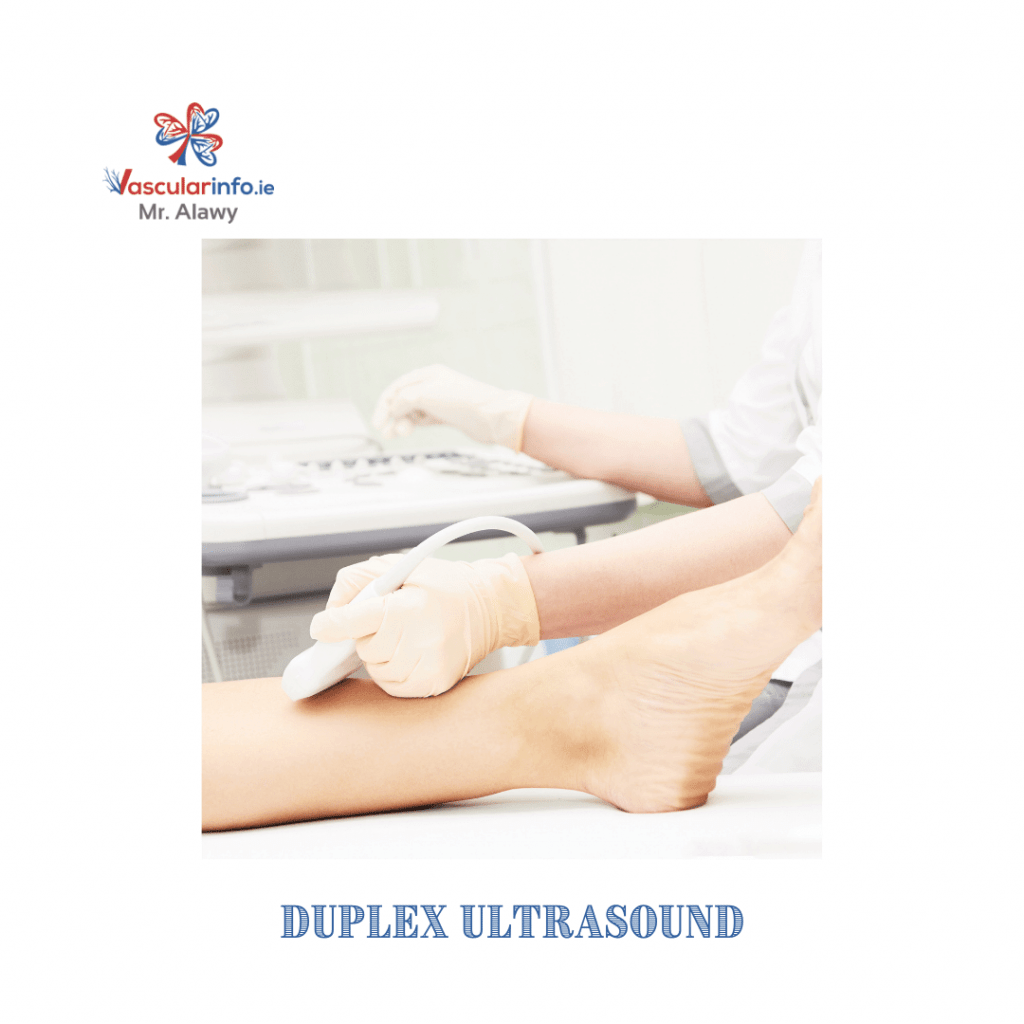
- Duplex Ultrasound: ABI will tell you whether you have the disease or not but can’t determine which vessel is involved. For that purpose, Duplex ultrasound is essential for detecting the blockage in the vessels of your limbs.
- Blood tests: Multiple blood tests are essential in managing PVD patients, especially cholesterol, sugar levels, and kidney function tests.
- Magnetic resonance angiography (MRA) and computed tomography angiography (CTA) are imaging techniques used to discover the details of the disease. These techniques also help your surgeon decide which intervention is appropriate for your illness.


What are Different Management Options for PAD?
Following confirmation of the diagnosis, your doctor will decide your treatment plans for the patient in consultation with your vascular surgeon. Depending on your symptoms, the arteries affected by the disease, your quality of life, and your fitness for surgery. Generally, management consists of lifestyle changes and medications, with or without surgical intervention.
How Can You Manage PAD with Lifestyle Changes?
As already discussed, PAD is preventable with early and practical lifestyle changes. For example, quitting smoking and keeping your blood glucose and cholesterol at normal levels would decrease your risk of disease progression.
One of the most effective daily life changes in the management of PAD is engaging in moderate level exercise programmes. The walking distance assesses the severity of PAD. Scientific data suggests a significant increase in walking distance in those who exercise. If you cannot perform exercises, brisk walking can also help you improve your condition.
The significance of exercise is not limited to PAD only. It also enhances the overall health of your cardiovascular system.

What are the Important Medications for PAD?
There is no medication to open the chronically occluded artery and remove the plaque in your artery wall. Your doctor will prescribe you medicines to hinder the progression of the disease. One type of medication helps reduce the chances of clot formation in the vessels. These may include aspirin or other antiplatelet drugs to reduce clot formation and help reduce the complication of the disease. Other medicines for diabetes, high blood pressure, and high cholesterol levels are important in reducing your risk of cardiovascular complications.
What are the Surgical Treatment Options?
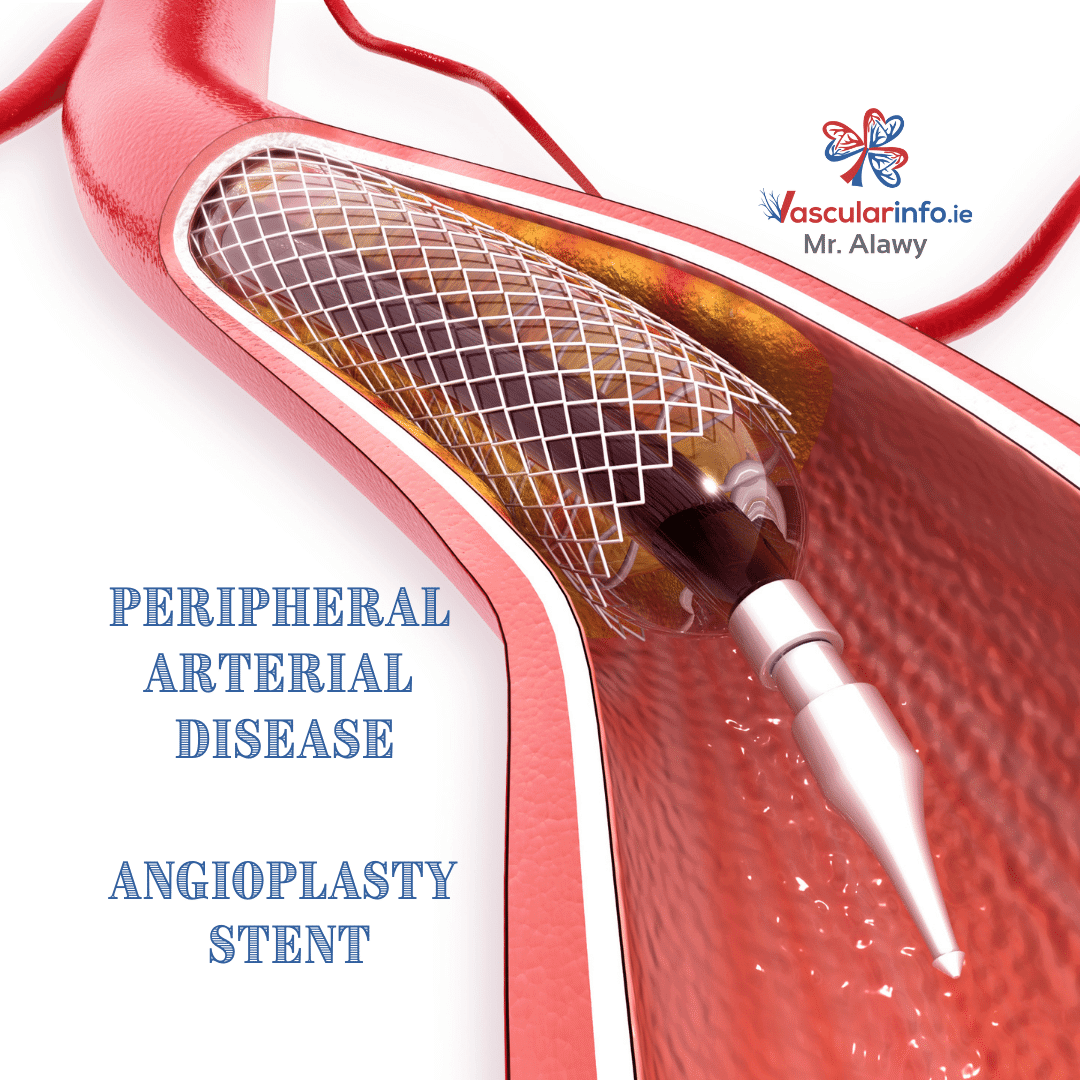
- Angioplasty/Stenting: Your doctor inserts a tiny fibre into your artery to reach the damaged area. A balloon or stent helps open the blocked artery segment.
- Fibrinolytic therapy:Therapy used to dissolve a blood clot that has become lodged in an artery
- Atherectomy: A procedure in which your surgeon uses a catheter to remove the blocked piece of the artery.
- Bypass surgery: Your surgeon uses a healthy blood vessel, usually your leg vein or synthetic tube, to divert blood around a blocked artery segment
- Endarterectomy: Your vascular surgeon opens your artery and removes the plaque to restore blood flow. It is usually used for the carotid artery in your neck to decrease your stroke risk.
- Hybrid treatment: Your vascular surgeon will utilise multiple techniques in this treatment protocol.