Patient’s Guide to Femoral Popliteal Bypass
What is Femoral Popliteal Bypass Surgery?
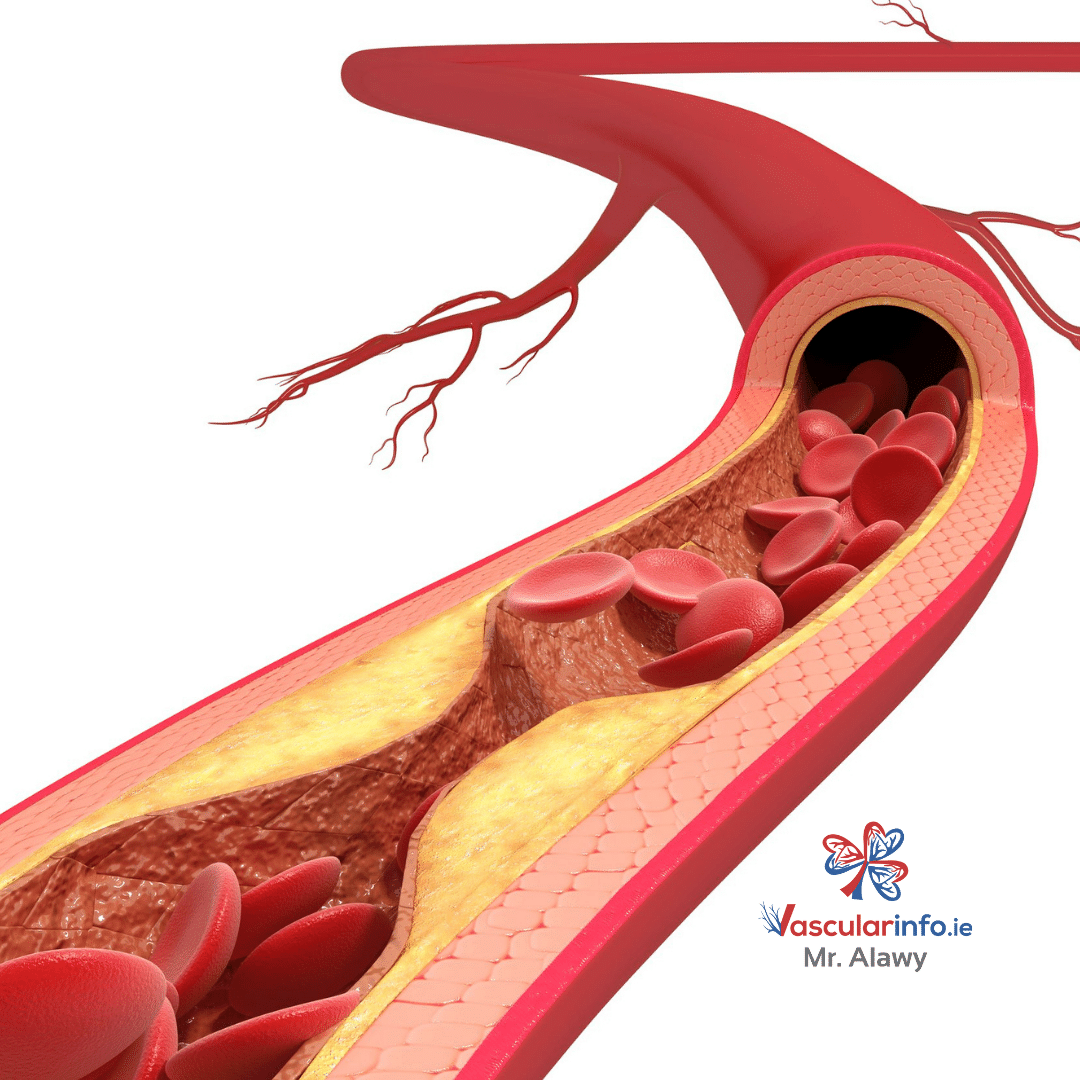
The femoral artery is the artery that passes through your thigh to supply the leg. In some diseased conditions, fatty plaques or clots may obstruct the artery leading to a low blood supply to the lower extremity. Treatment options will depend on your symptoms and disease extension. In some cases, conservative management with regular exercise may be enough to control the disease.
However, in severe cases, you would need a procedure to improve the blood supply to the foot. One of the surgical treatment options is femoral-popliteal bypass surgery.
Femoral popliteal bypass surgery involves the placement of a graft vessel bypassing the obstructed artery. This procedure helps redirect the blood flow through an alternative route so that the lower leg can receive blood.


What are the Indications of Femoral Popliteal Bypass Surgery?
There are two main indications of femoral-popliteal bypass surgery,
- Peripheral Arterial Disease: Peripheral artery disease due to atherosclerotic plaques obstructing a long segment of your artery in the thigh.
- Popliteal artery aneurysm: The popliteal artery lies behind the knee joint and supplies the lower leg. Sometimes, the weakened artery bulges and forms a balloon-like swelling. Such swelling that involves the popliteal artery is called a popliteal artery aneurysm.
What are the Reasons for performing the surgery?
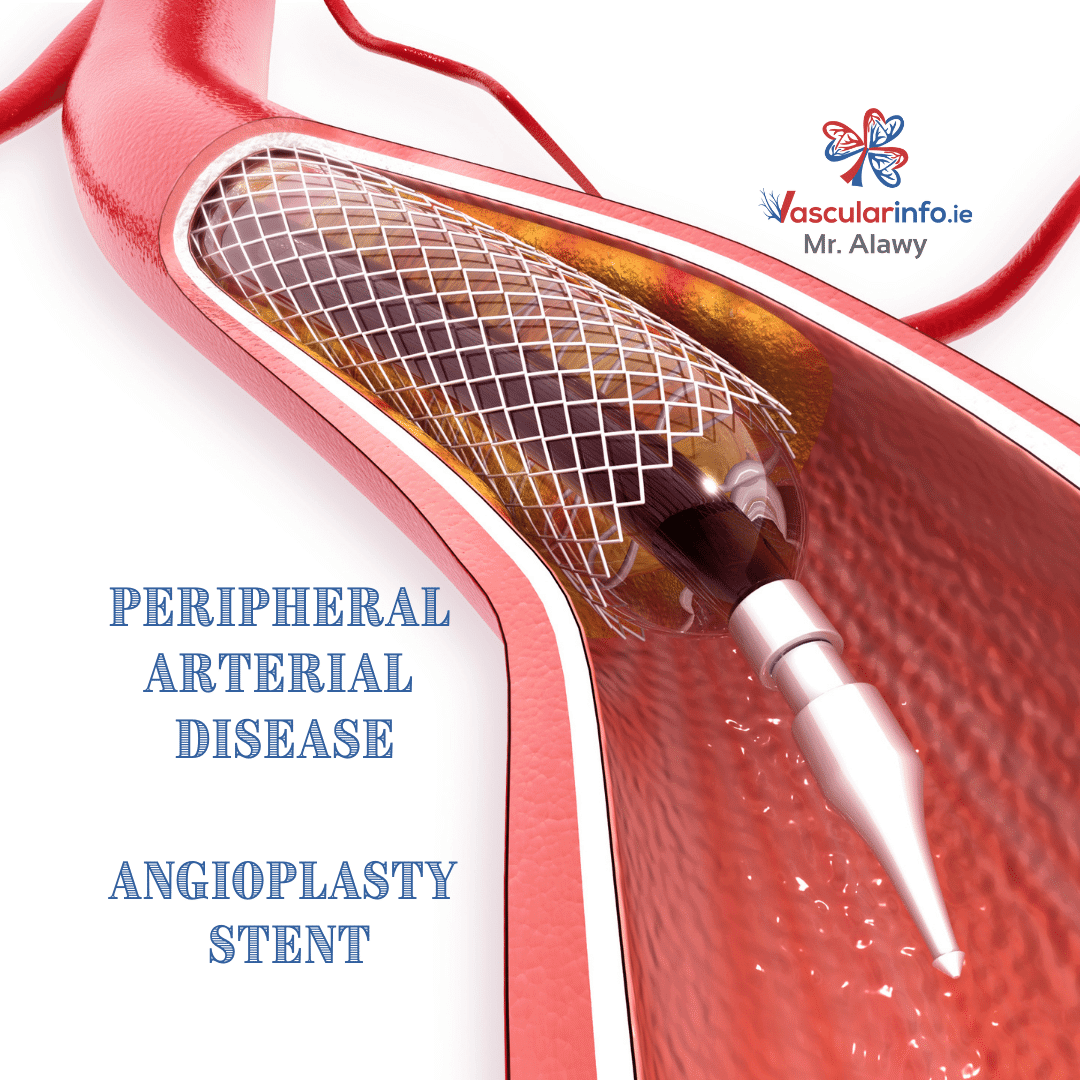
Surgery is not required in every case of vascular disease. Some of the cases can also be treated with conservative management or medications. Others will require only minimally invasive procedures (Angioplasty). However, your surgeon will advise you on surgery under certain conditions.
- The disease is progressive and unsuitable for angioplasty with the risk of disability.
- Pain in the foot even at rest
- Non-healing ulcers have developed on the leg or the foot
- Gangrene


What Happens Before the Surgery?
Before the surgery, your vascular surgeon will arrange a pre-op assessment. During this visit, He will explain the procedure and answer your questions.
Pre-op assessment involves a detailed medical history and physical examination. These parameters help your surgeon decide whether you are fit for the procedure or not. In addition, your surgeon will ask questions about your medications, allergies, or any blood-related disorder that you may have. He will order some blood tests and scans to assess your fitness for surgery and diseased arteries in your leg.
There are certain precautions that you need to take before the surgery.
- You should avoid smoking to speed up your recovery after the procedure.
- You should also avoid stopping your medications without your surgeon’s permission.
What Does the Surgery Involve?
- Your surgeon will clean the skin where the incision is to be made.
- The incision site depends upon the artery that needs to be bypassed.
- After making the incision, your surgeon will sew the graft above and below the affected vessel to direct the blood flow through an alternative route.
- He will use your vein or an artificial synthetic tube as a graft.
- He will then run an arteriogram to look for the patency of the graft.
- After the successful surgery, he will place the stitch on the incised skin and apply sterile dressings over the wound.

How does Recovery Occur After Surgery?
After the procedure, the nursing staff will take you to the observation room. They will monitor your blood pressure, pulse, and respiratory rate. Once your vitals have become stable, they will take you to your room in the hospital. Your nurse will monitor your health status and wound and regularly check your foot circulation. They will give you medications for pain. Your physiotherapist will help you as well to recover quickly. After a few days, you are allowed to go home.
At home, you need to take great care of your wound. It’s better not to wash the wound to avoid any irritation. It would help if you regularly walked to prevent the reoccurrence of the disease. But it’s better to avoid strenuous exercise for the first few weeks. You can contact your doctor on noticing any unusual symptoms such as fever, pain, and bleeding.
What are the Possible Complications?
It is a surgical procedure. Therefore, it comes with a risk of some complications. Your surgeon will tell you all the possible risks of the surgery. The final decision is yours regarding whether you want to have the operation or not.
Some of the important complications of femoral-popliteal bypass surgery that you need to know are the following.
- Wound leakage or infection
- Heart attack or arrhythmias
- Pulmonary embolism(clot in a vein of the lungs)
- Deep vein thrombosis(clot in a vein of the leg)
- Chest infections
- Bleeding from the wound site
- Graft obstruction (late complication, may occur early)
- This surgery aims to protect your leg from major amputation, but in some cases with severe diseases, amputation may be the only treatment to prevent the spreading of gangrene and to save your life