
Thoracic Aortic Aneurysm
This article focuses on all the essential information that a patient with a thoracic aortic aneurysm should know. You will also learn different surgical treatment options, especially thoracic endovascular aortic repair.
What is Thoracic Aortic Aneurysm?
The aorta that lies in the chest cavity is known as the thoracic aorta. Due to some diseased process, the thoracic aorta wall becomes weak. The weakened artery balloons out. Such a bulging of the thoracic aorta is known as a thoracic aortic aneurysm. Although it can occur, the incidence of TAA is much lower than abdominal aortic aneurysms.

What Causes TAA?
Important causes of thoracic aortic aneurysm include,
- Atherosclerosis: In older people with hypertension or high blood cholesterol, heart and vascular problems are more common. An aortic aneurysm is one of those problems.
- Genetic disorders:Aortic aneurysms in young people are frequently inherited. Marfan syndrome, a genetic condition that affects the body’s connective tissue, can cause aortic wall weakness.
- Aortic dissection: Some cases of aortic dissection can progress to TAA.
- Inflammatory diseases of blood vessels: Inflamed blood vessels are also at greater risk of developing aneurysms.
- Aortic wall infection: Though uncommon, a thoracic aortic aneurysm can develop if you have an untreated infectious disease, such as syphilis.
- Traumatic injury: People subjected to road traffic accidents or other traumatic injuries can develop aneurysms. However, this happens rarely.
What are the Possible Risk factors?
Some of the prominent risk factors of thoracic aortic aneurysm include,
- Age: The risk of TAA is higher after the age of 65.
- Smoking: Smoking damages the blood vessels all over the body and increases your risk of having an aneurysm in different high-pressure arteries.
- High blood pressure: Hypertension damages the arteries and increases the risk of aneurysm formation.
- High blood cholesterol: High cholesterol in the blood is a potential factor that leads to plaque formation. Such plaques may obstruct the nutrition of the artery wall, which becomes weak.
- Family history: Having a family member with an aneurysm also increases your risk of a thoracic artery aneurysm.
- Genetic conditions: Connective tissue diseases like Marfan syndrome are a potential risk factor.
What are the Associated Symptoms?
Patients with small aneurysms don’t present with symptoms. Symptoms only occur after the enlargement of the blood vessels. The primary symptoms you can experience after the growth of an aneurysm include the following.
- Pain in the back and chest
- Cough
- Breathlessness
- Hoarseness of voice
Rupture of the aneurysm is a much more severe condition and may present with the following symptoms.
- Sudden, sharp pain radiating to the back and shoulders
- Loss of consciousness
- Low blood pressure
- Shortness of breath
Are There Any Complications?
The major complication of the aneurysm is the rupture of the thoracic aorta. It is a life-threatening condition that requires emergency intervention. Otherwise, a patient’s death may also occur. The second major complication of the aneurysm is clot formation. Fatty plaque may break and get trapped in some distal arteries. In that case, the affected tissue faces damage. For example, If the clot blocks the arteries in the leg can result in gangrene if not treated.

How Do You Prevent TAA?
Certain conditions, such as family history or genetic disorders, are conditions you don’t have any control over. Thus, it would be best to focus on modifiable risk factors to reduce your aneurysm risk. Essential techniques through which you can either prevent aneurysm formation or can herald its progression include,
- Quit smoking
- Maintain blood pressure
- Maintain blood cholesterol
- Eat healthy food
Exercise regularly
What Investigations are Important for Diagnosis?
Necessary investigations that help diagnose a patient with a thoracic aortic aneurysm involve imaging techniques. Some of the important diagnostic approaches include,
- CT Scan
- MRA (Magnetic Resonance Angiography)
Echocardiogram
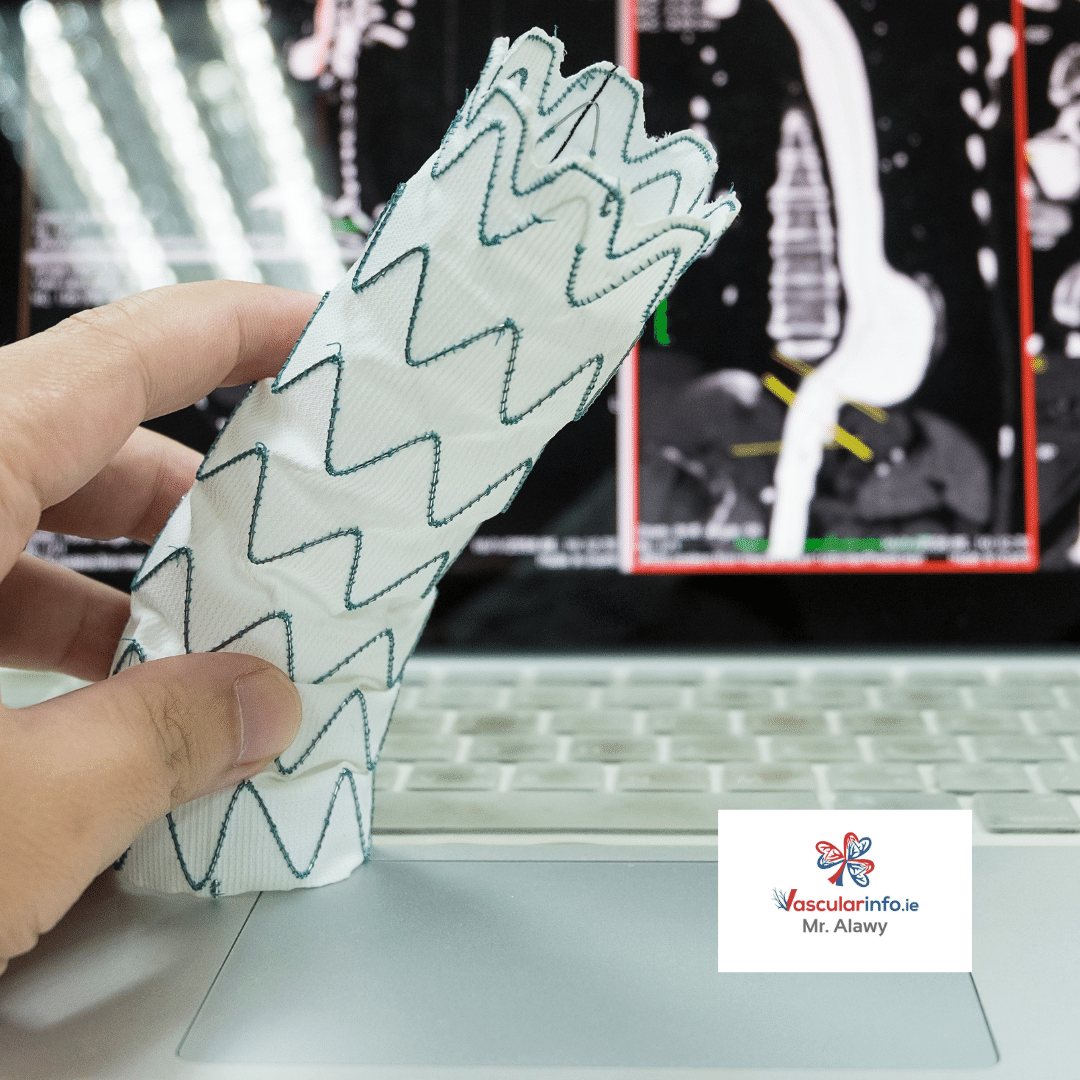
What Does the Management Involve?
Your doctor will manage small aneurysms primarily with conservative management without intervention. However, repetitive imaging of your aneurysm is necessary to look for signs of progression and complications. Medications are most targeted toward managing other health conditions that can aggravate your conditions.
Medical management of patients with TAA involves medications that control high blood pressure. Additionally, you would need blood-thinning medications to decrease the likelihood of clot formation.
If you have a large aneurysm of more than 6 cm or start to cause symptoms with a high risk of rupture, you will need repair if you are fit for surgery. Different surgical options for the treatment of aneurysms involve,
- Open surgical repair
- Thoracic Endovascular Aortic Repair (TEVAR)
- Complex Endovascular Aortic Repair

What is TEVAR, and what is its Significance?
Thoracic endovascular aortic repair (TEVAR) is a less invasive surgical option than open repair. In this operation, your vascular surgeon makes a small incision in your groin after making necessary arrangements in the operation theatre. He will then insert a stent graft catheter through the groin vessel. The stent is placed inside the aneurysm. The graft becomes fixed in the artery, provides strength to the aortic wall, and excludes the aneurysm to reduce the likelihood of rupturing.
TEVAR is a relatively safe procedure. It takes around 1 to 2 hours. However, this operation is not suitable for every TAA. Your surgeon will discuss every surgical option with you and your surgical risk and let you decide.


Thoracoabdominal Aortic Aneurysm
Thoracoabdominal aortic aneurysm involves the bulging of the aorta that ranges from the thorax to the abdomen. It may involve only the junction of the thoracic and abdominal aorta. Based on its location, the thoracoabdominal aortic aneurysm may involve one of the following types.
- Types I: It involves most of the thoracic aorta while only the upper part of the abdominal aorta.
- Type II: It involves the majority of the thoracic and abdominal aorta.
- Type III: It’s the opposite of type I, involving a significant portion of the abdominal aorta with only the lower part of the thoracic aorta.
- Type IV: It involves the abdominal aorta with its junction with the thoracic aorta.
What are the Treatment Options?
Treatment of the aneurysm primarily depends on the size, location of the aneurysm and the patient’s fitness for surgery. Patients with small aneurysms can be managed using a conservative approach, such as controlling blood pressure and smoking cessation with regular follow up.
The surgical options for TAA include:
- Thoracic Endovascular Aortic Repair (TEVAR)
- Open Surgical Repair
- Hybrid Repair involves both Open Repair and Endovascular Repair
- Complex Endovascular Aortic Repair such as Branched Stent Grafts.


